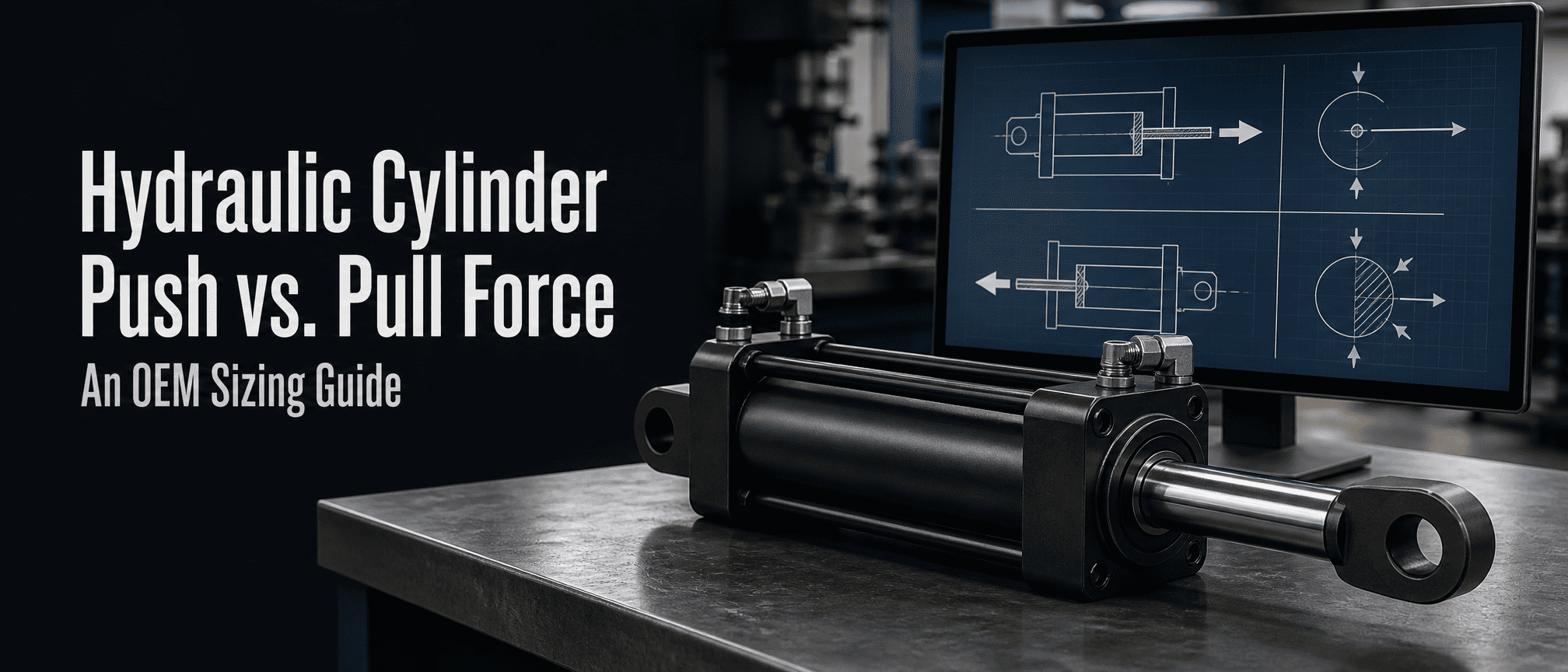
Learn how bore, rod diameter and hydraulic pressure determine cylinder push and pull force before selecting a hydraulic cylinder for OEM equipment.
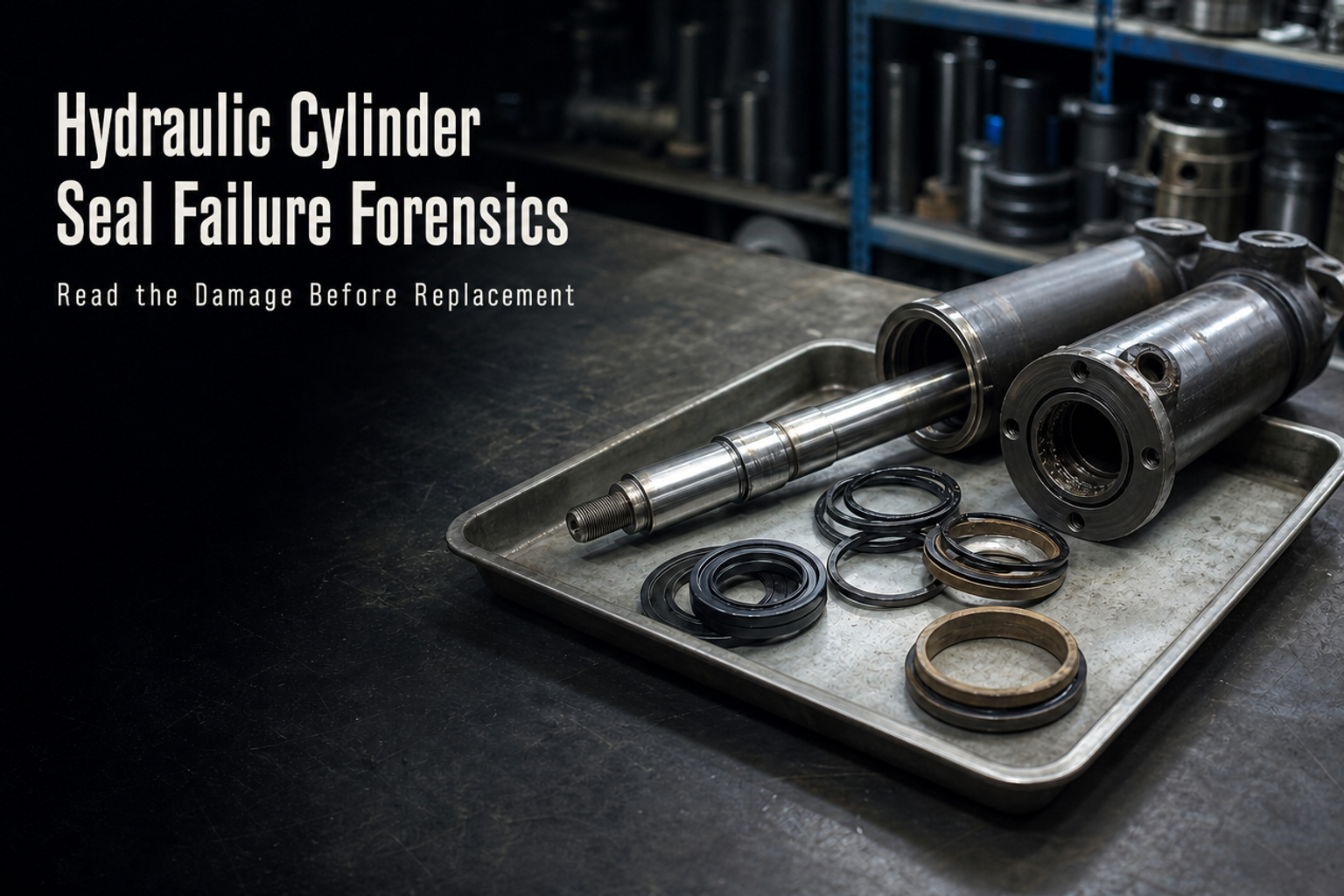
A leaking hydraulic cylinder does not always need a new seal kit. The damaged seal, piston rod, guide and gland often show why the failure happened. This article explains how to preserve evidence, read common damage patterns and choose a more reliable repair path.
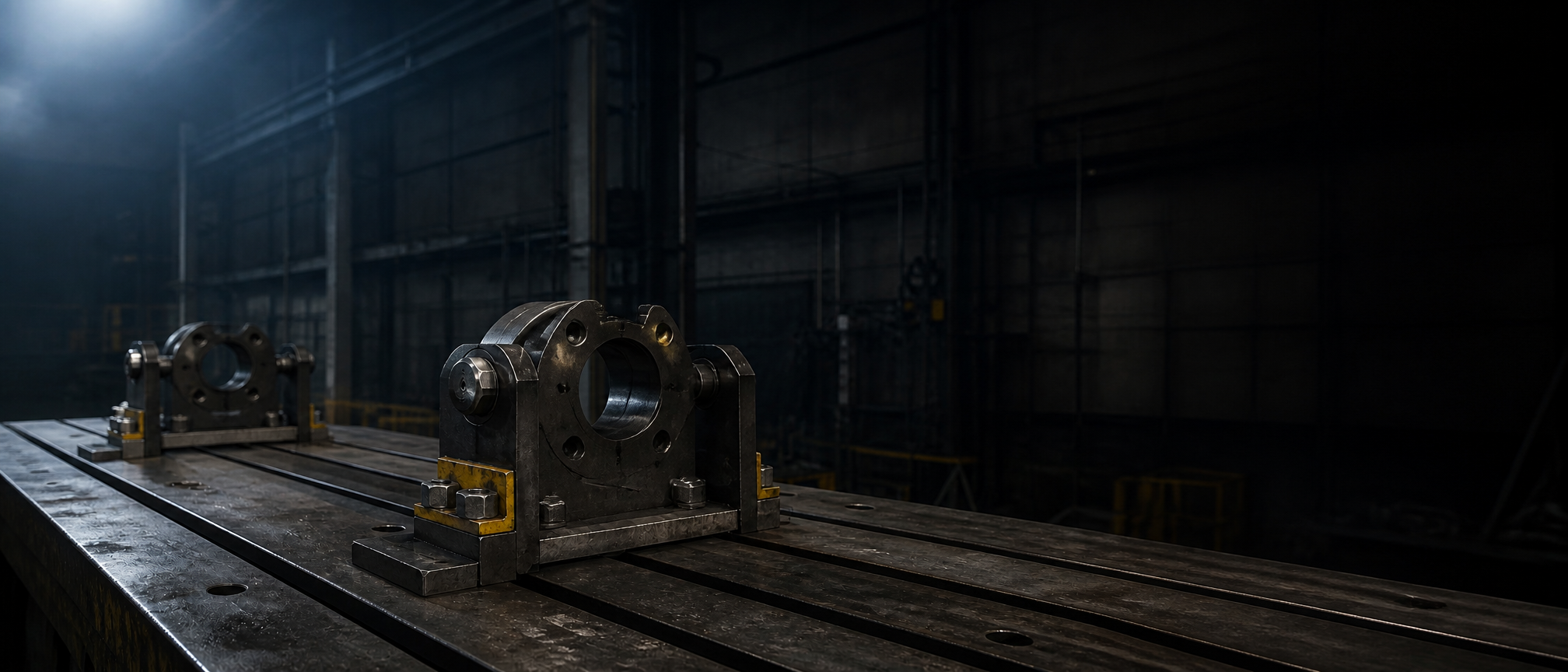
Discover how hydraulic cylinder cushioning controls end-stroke impact, pressure, heat, and wear through practical design and tuning for OEM equipment.
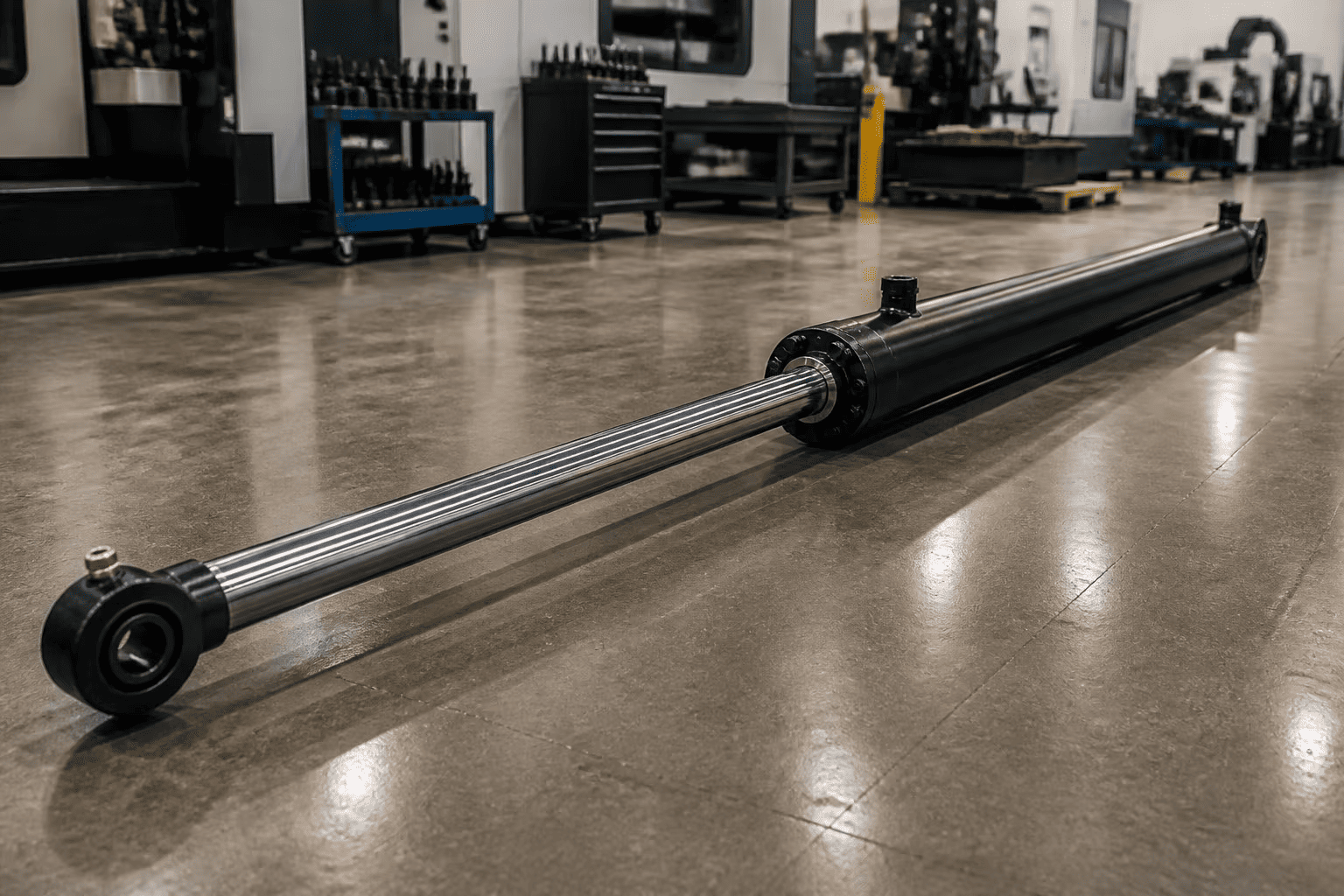
Rod buckling is the #1 cause of catastrophic long-stroke cylinder failure. Learn why the basic Euler formula fails in the field, the impact of mounting K-factors, and how stop tubes prevent rod deflection.
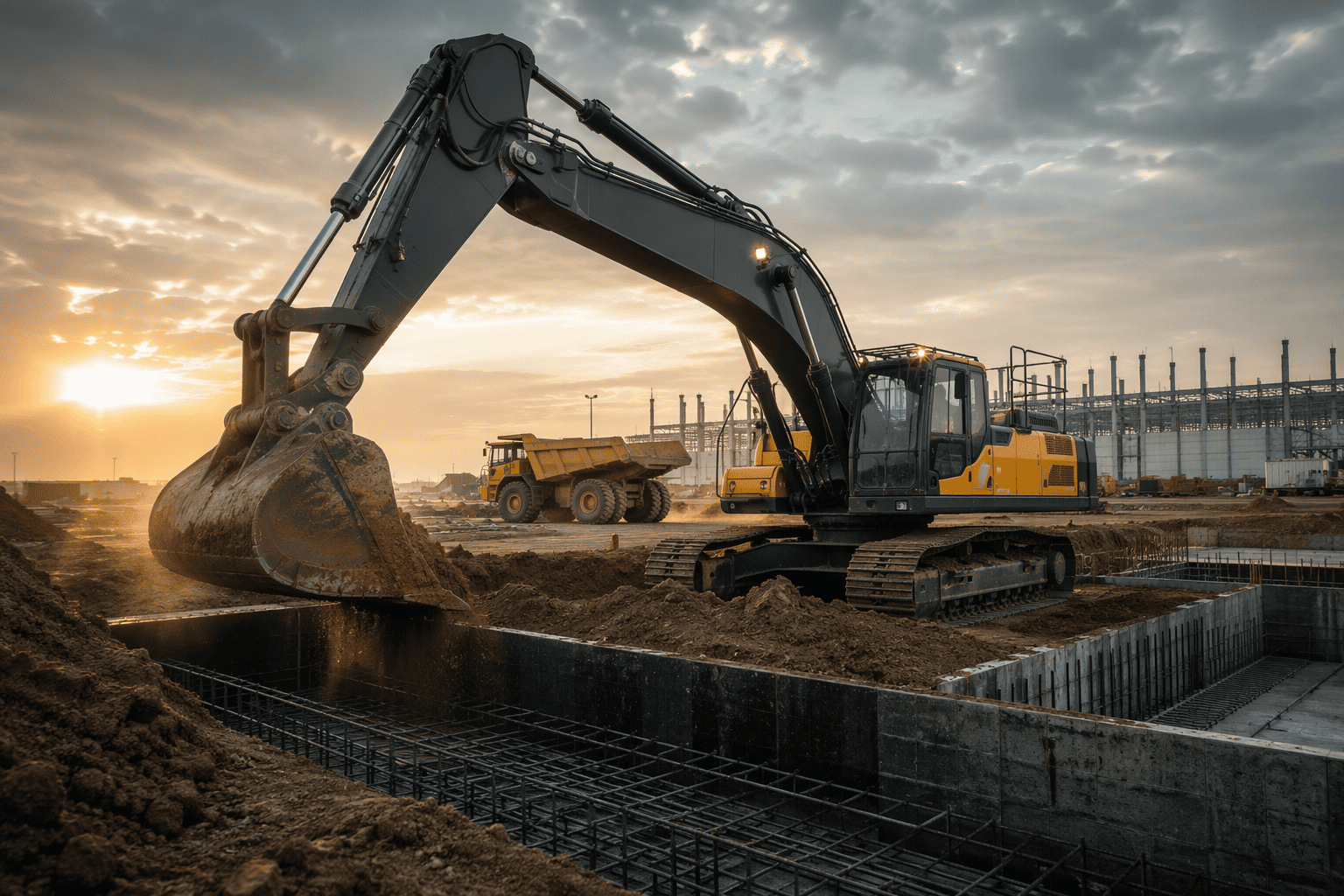
Fluid power orders are stabilizing and 2026 forecasts point to recovery. Learn how to protect your cylinder supply and pricing. Request a quote today.
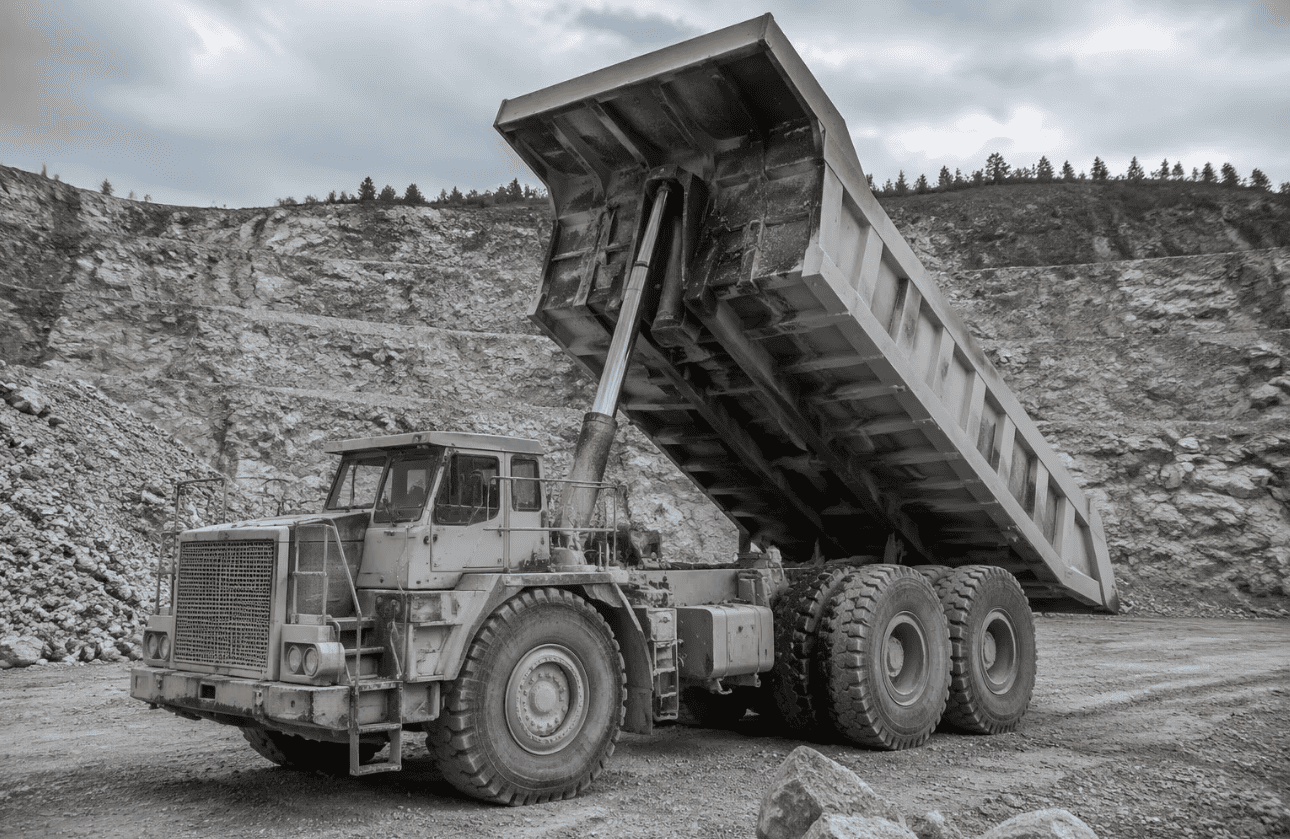
Your oil looks clean, but it’s sandblasting your seals. Learn the physics of silt abrasion and how HCIC engineers for zero-friction longevity.