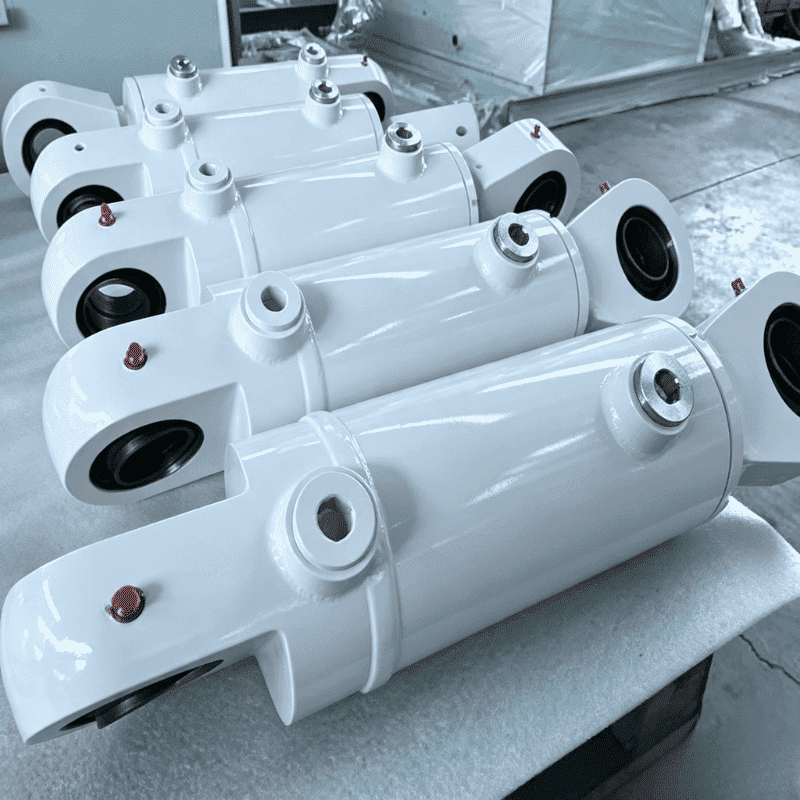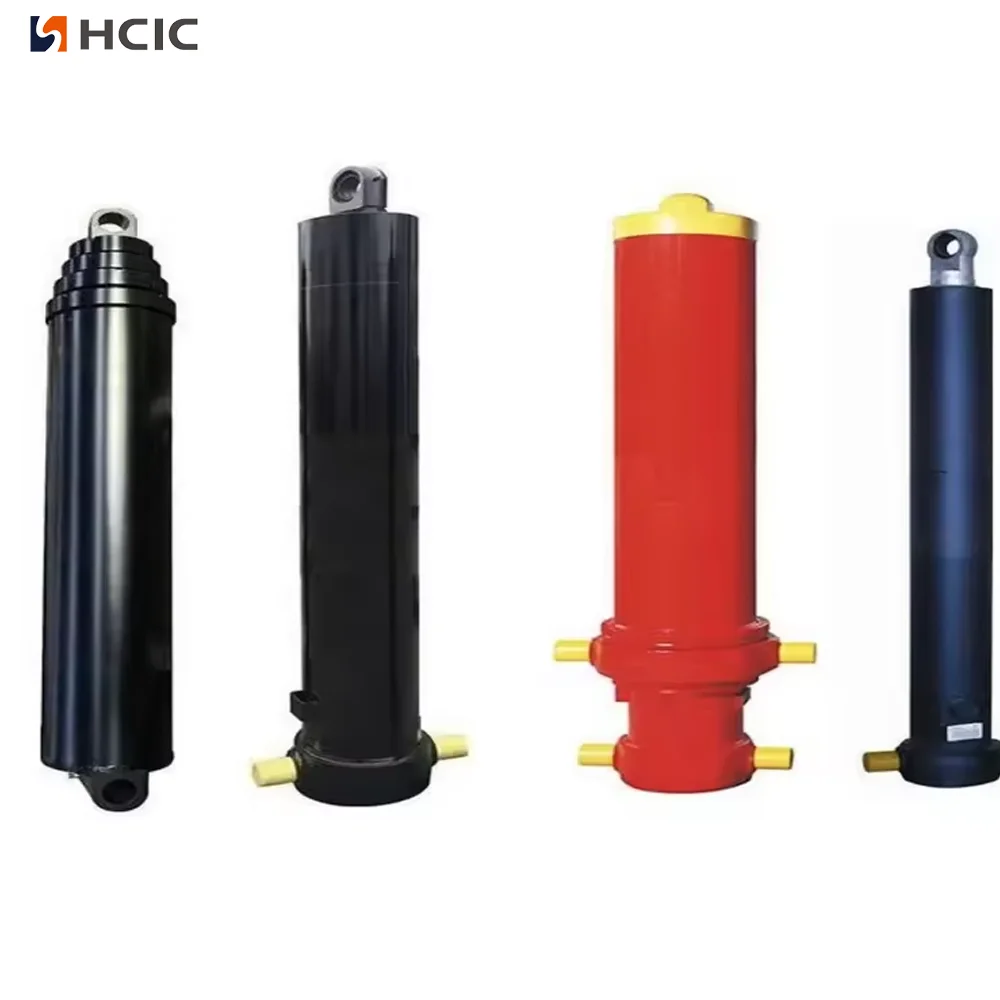
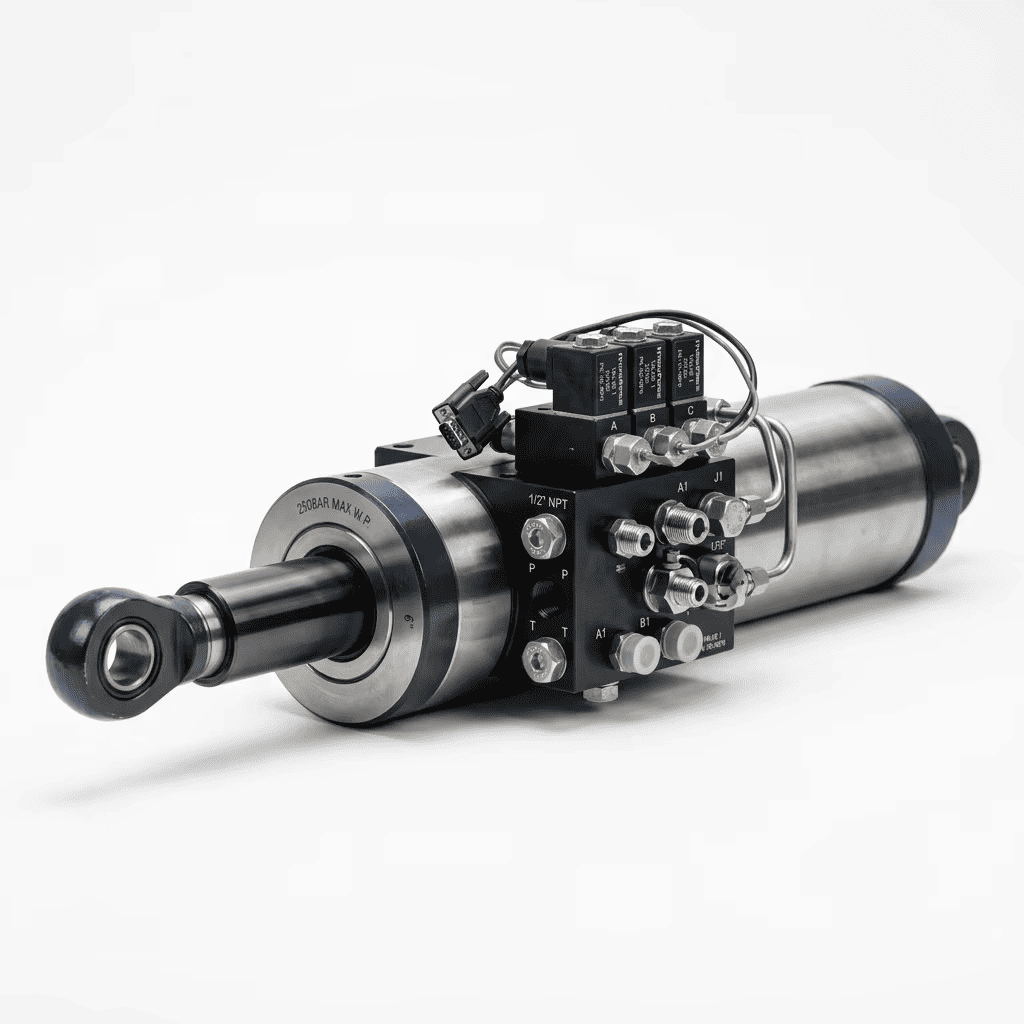
Prevent unwanted load shifting entirely. HCIC Integrated Counterbalance Valve Hydraulic Cylinders feature built-in valves for instant load locking and reliable leak-free operation.
Bore Range:
40mm to 300mmMax Pressure:
Up to 5,000 PSI (350 Bar)Let’s be honest: in the world of cranes, aerial lifts, and heavy loaders, "close enough" is a death sentence. Standard cylinders rely on external valves and long hose runs to hold a load. But hoses expand, and external fittings leak. This creates the dreaded "cylinder drift"—that slow, dangerous sinking of a pressurized load. At HCIC, we’ve eliminated the middleman. We’ve moved the safety valve directly into the cylinder’s steel manifold.
| Feature | Technical Specification |
|---|---|
| Valve Type | Integrated Dual Counterbalance / Overcenter Valves |
| Bore Range | 40mm to 300mm |
| Pilot Ratio | 3:1, 4.5:1, or Custom Ratios |
| Max Pressure | Up to 5,000 PSI (350 Bar) |
| Internal Leakage | Less than 5 drops/min at rated pressure |
| Body Material | High-strength Alloy Steel or Custom Forgings |
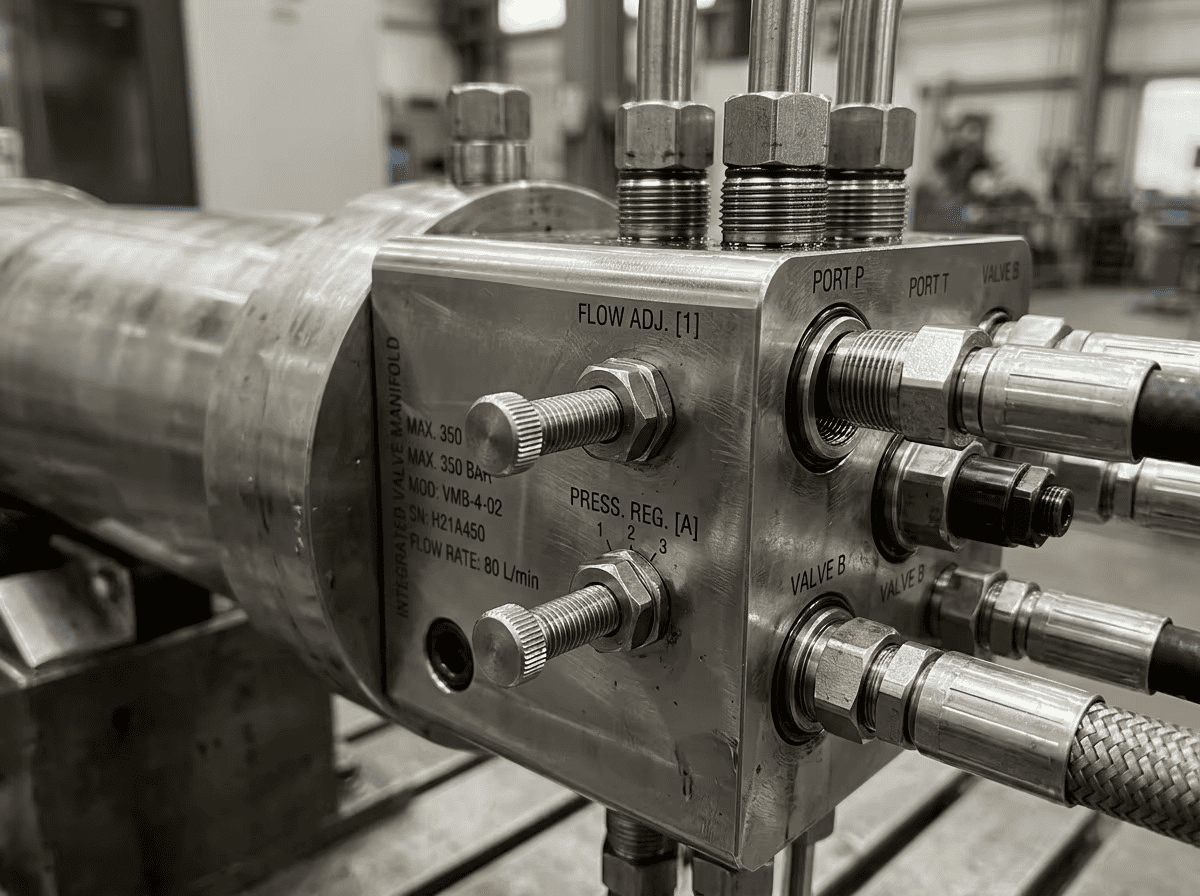
Hose-Burst Protection: If a integrated counterbalance valve hydraulic cylinders hose snaps, our integrated valve locks the cylinder in place instantly. It’s a mechanical failsafe that protects both the operator and the equipment.Zero-Leak Load Holding: Unlike spool valves that inherently leak, our integrated poppet-style counterbalance valves provide a virtually drip-tight seal, ensuring zero-drift performance for extended periods.Smooth Motion Control: The integrated design eliminates the "spongy" feel of long hydraulic lines. You get crisp, linear control even when lowering massive, overrunning loads.
Where Safety is Non-NegotiableTelehandlers & Cranes: For boom extension and tilt where load stability is the top priority.Mining Excavators: Maintaining arm position during high-vibration rock breaking.Specialized AG Equipment: Ensuring grain bin doors or heavy headers don't drop during transport.
Q: Can I retrofit an integrated valve cylinder into my existing system?
A: Usually, yes. However, you must ensure your system's pilot pressure matches the valve's pilot ratio to prevent "chattering." Our engineers can help you calculate the correct specs.
Q: What causes a counterbalance valve to start making noise?
A: "Chatter" is often caused by air in the lines or an incorrect pilot ratio. Ensuring the system is bled properly and using the right pilot-to-load ratio will solve 90% of noise issues.
Q: Are these valves adjustable in the field?
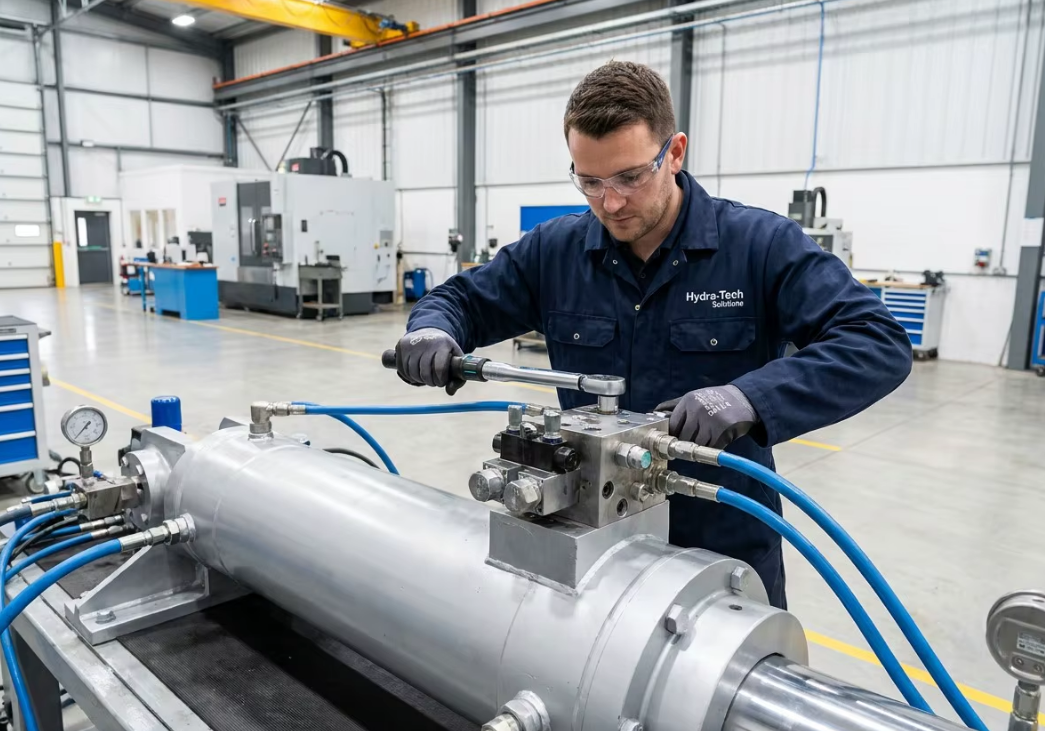
A: Yes, our integrated valves typically feature a tamper-resistant adjustment screw to fine-tune the cracking pressure based on your specific load requirements.