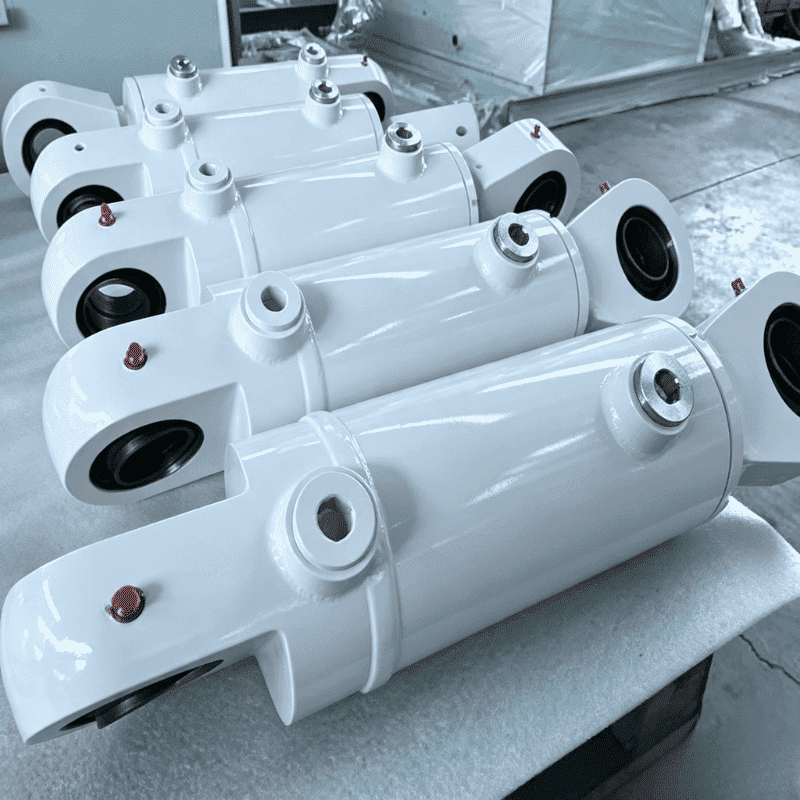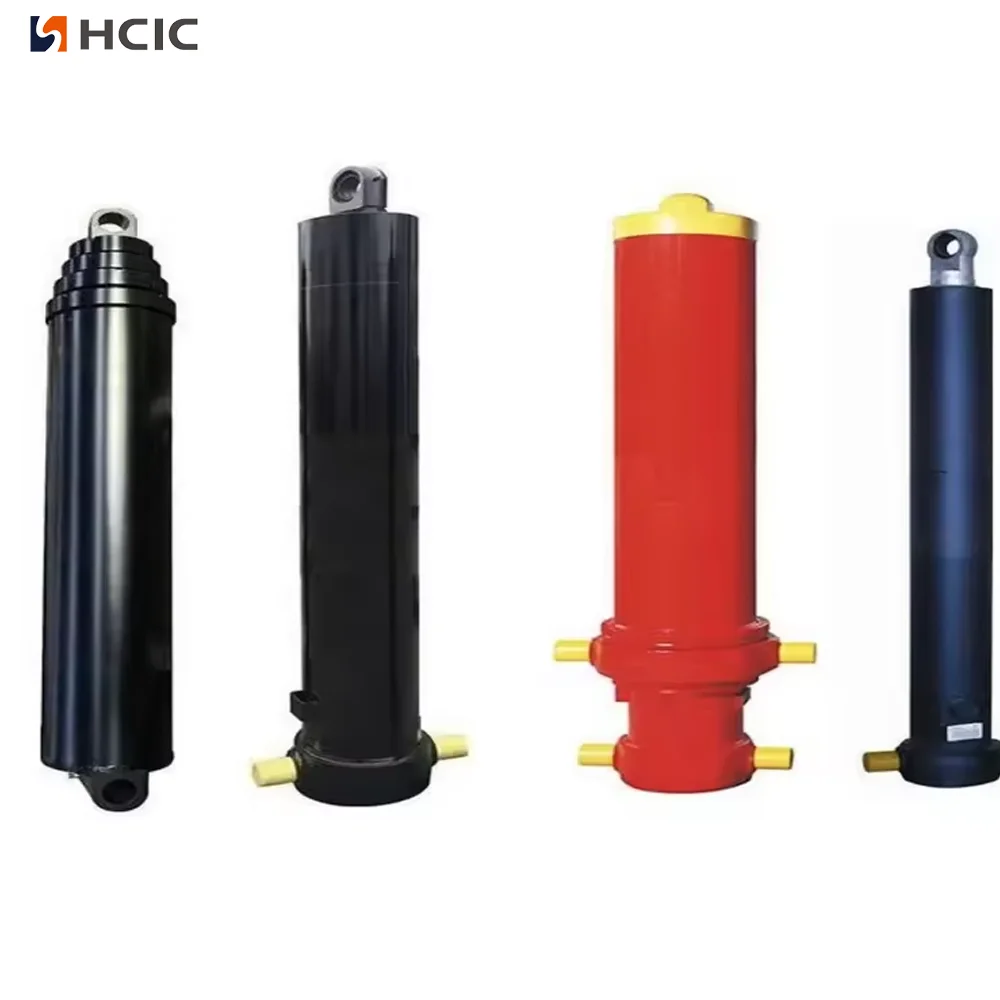
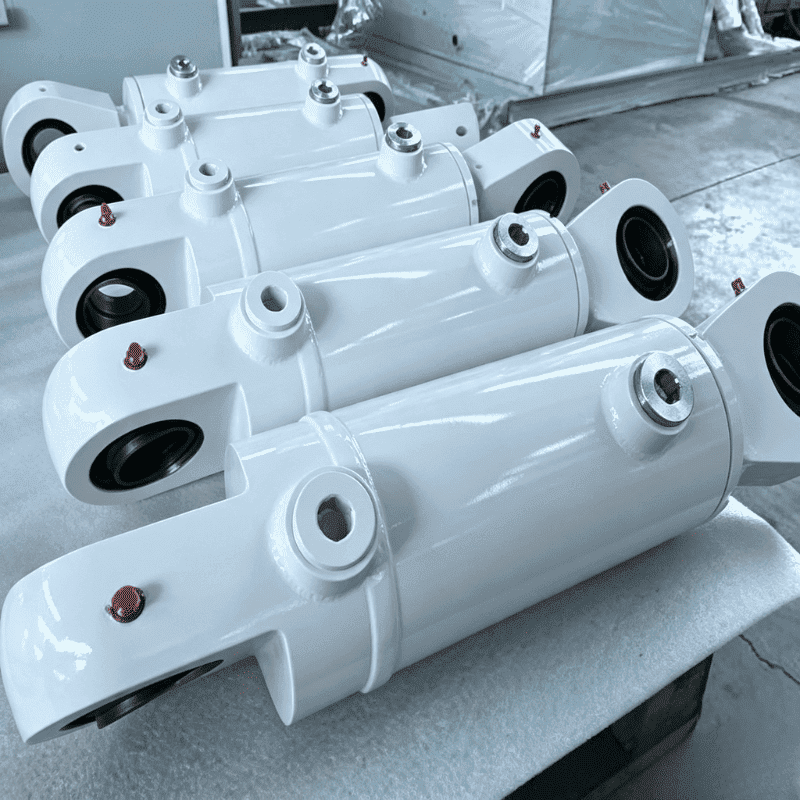
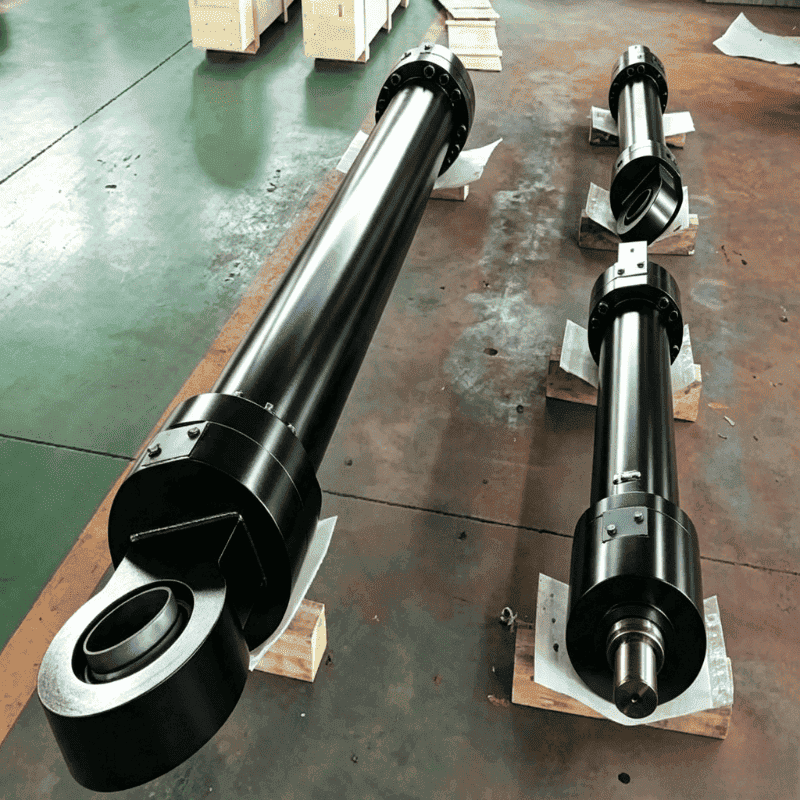
HCIC hydraulic cylinder for beam pumping unit. Compact hydraulic actuation with customizable flow, pressure, medium, dimensions and control methods for demanding oilfield applications.
Actuation:
Hydraulic linear motionFlow rate:
Customized to project requirementWorking pressure:
Customized to project requirementHydraulic medium:
Customized to project requirementDimensions:
Customized to installation and duty requirementsA hydraulic cylinder for beam pumping unit works as the linear actuator inside a hydraulic pumping system for oil-production equipment. The cylinder converts hydraulic pressure into controlled linear movement. That movement replaces or supplements the mechanical action used in conventional beam-pumping equipment.
The point is compact power. A hydraulic pumping system can place the actuator, control circuit and power source in a smaller arrangement than a traditional beam-pumping mechanism. It can also regulate movement through hydraulic pressure and flow instead of relying on one fixed mechanical motion.
For an oilfield buyer, the product question is not simply “how much force does the cylinder make?” The real questions are more practical: Can the cylinder match the pumping cycle? Can the hydraulic circuit control its speed? Can the sealing system handle the selected fluid and outdoor conditions? Can the supplier change the dimensions or control method when the wellsite layout is not standard?
HCIC positions this product as a customizable oil pumping hydraulic cylinder for project-specific hydraulic pumping systems.
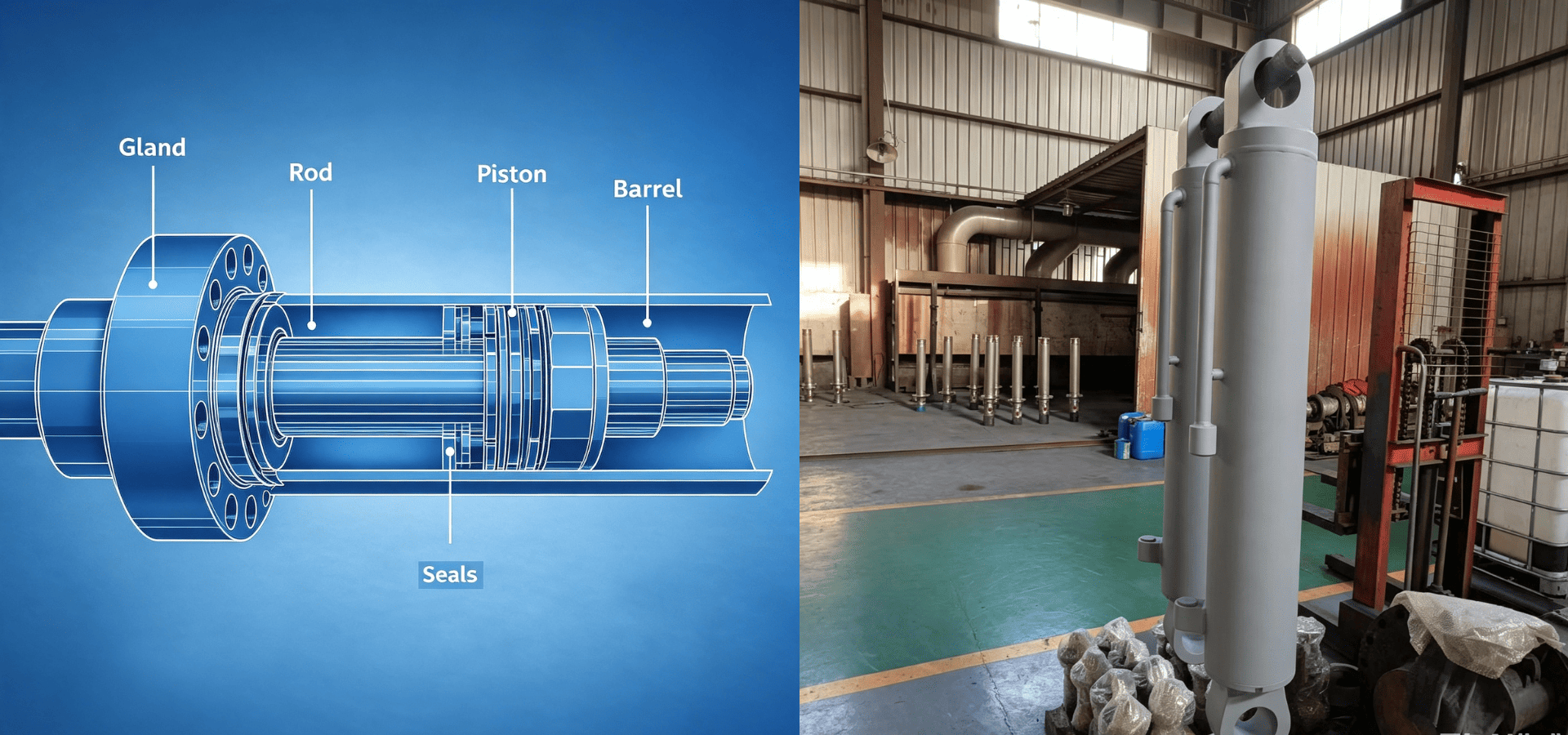
The HCIC catalog presents the oil pumping hydraulic cylinder as part of a special-use hydraulic solution. The exact cylinder is configured around the pumping system rather than selected from one universal size.
| Design Item | HCIC Configuration Approach |
|---|---|
| Product type | Oil pumping hydraulic cylinder |
| Main application | Hydraulic pumping systems for oil production |
| Actuation | Hydraulic linear motion |
| Flow rate | Customized to project requirement |
| Working pressure | Customized to project requirement |
| Hydraulic medium | Customized to project requirement |
| Dimensions | Customized to installation and duty requirements |
| Control method | Customized to system architecture |
| System objective | Compact footprint, efficient hydraulic actuation and controlled operation |
The catalog specifically identifies flow rate, pressure, medium, dimensions and control methods as customization items. These are the values an engineering team should provide before quotation.
A conventional beam-pumping arrangement uses mechanical structure to transmit motion. A hydraulic arrangement can place the power unit and actuator where the equipment layout allows. The hydraulic cylinder for beam pumping unit only needs the correct mounting points, hydraulic connections and working clearance.
That matters on retrofit projects. Existing wellsite equipment rarely gives an engineer a completely open layout. A custom oil pumping hydraulic cylinder can be designed around available space instead of forcing the whole installation to follow a standard frame.
Hydraulic motion is controlled through flow and pressure. Flow affects actuator speed. Pressure determines the force available to the cylinder and the protection setting for the circuit. That separation gives the system designer more control over the pumping cycle than a fixed mechanical drive.
It also gives the operator a practical way to adjust the machine for different operating conditions. Any adjustment must still remain inside the approved pressure, flow and temperature limits of the complete system.
The HCIC catalog identifies high energy efficiency as an advantage of hydraulic pumping systems. The useful engineering question is where that efficiency comes from: the pump, valve arrangement, actuator size and control strategy must be matched. An oversized pump or poorly tuned relief setting wastes energy as heat.
For that reason, HCIC asks for the project flow rate and pressure before confirming the cylinder configuration. The cylinder cannot be selected independently from the hydraulic power source.
Cylinder force is determined by hydraulic pressure acting on piston area. A larger bore provides more force at the same pressure, but it also requires more hydraulic oil per unit of stroke. That changes pump flow requirements and cycle speed.
The correct bore is therefore a system decision. It must be checked against the required load, available pump capacity, target cycle time and mounting space.
Stroke is the linear distance the piston travels. In an oil pumping application, stroke is connected directly to the required movement of the pumping mechanism. Too little stroke limits the mechanical output. Too much stroke increases oil volume, installation length and energy demand.
The cylinder drawing should specify retracted length, extended length, pin-center distance, mounting style and port location. Those dimensions prevent a cylinder that is hydraulically correct but physically impossible to install.
The catalog allows the hydraulic medium to be customized. That requirement should never be treated as a minor detail. Seal material, temperature range, fluid compatibility and contamination control all affect cylinder life.
A buyer should provide the selected fluid type, operating temperature, expected contamination level and maintenance interval. HCIC can then review the sealing package and surface treatment for the actual system.
The rod is exposed to the external environment and passes through the rod seal on every cycle. The barrel bore guides the piston and carries the pressure load. Surface condition, straightness and dimensional tolerance affect friction, leakage and service life.
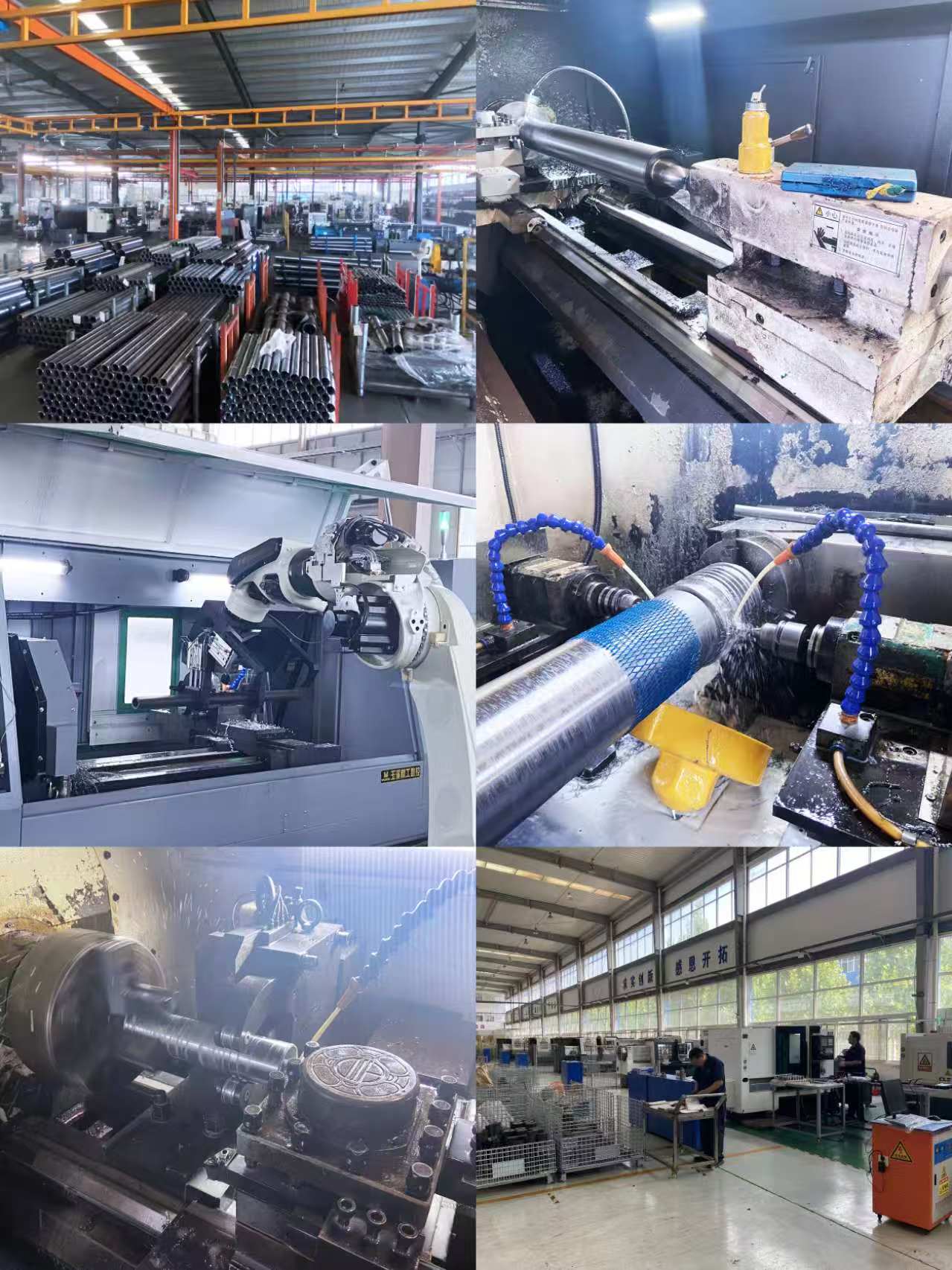
HCIC’s manufacturing capabilities include cylinder design, testing and production. For a custom oil pumping hydraulic cylinder, the final surface and dimensional requirements should be stated on the approved drawing rather than left to assumption.
This product is intended for hydraulic pumping systems used in oil-production equipment. Typical project conditions may include:
The final design must be confirmed from the actual wellsite duty cycle. Oil viscosity, ambient temperature, stroke frequency, load variation and contamination can change the correct specification.
Send these details with the inquiry:
A complete data sheet reduces quotation time and prevents an expensive redesign after production starts.
HCIC has manufactured hydraulic products since 1998. The company focuses on hydraulic cylinders and power units and provides in-house design, testing and production for customized hydraulic solutions.
For oilfield projects, the useful advantage is not a generic catalog promise. It is the ability to discuss the actuator together with the hydraulic system: dimensions, pressure, flow, medium and control method are reviewed as one engineering package.
- WhatsApp / Tel: +86 153 7619 8599
- Email: davidsong@mail.huachen.cc
- Website: http://jnhcic.com/
Send the pumping-system data and the existing cylinder drawing. HCIC can review the application and prepare a project-specific quotation.