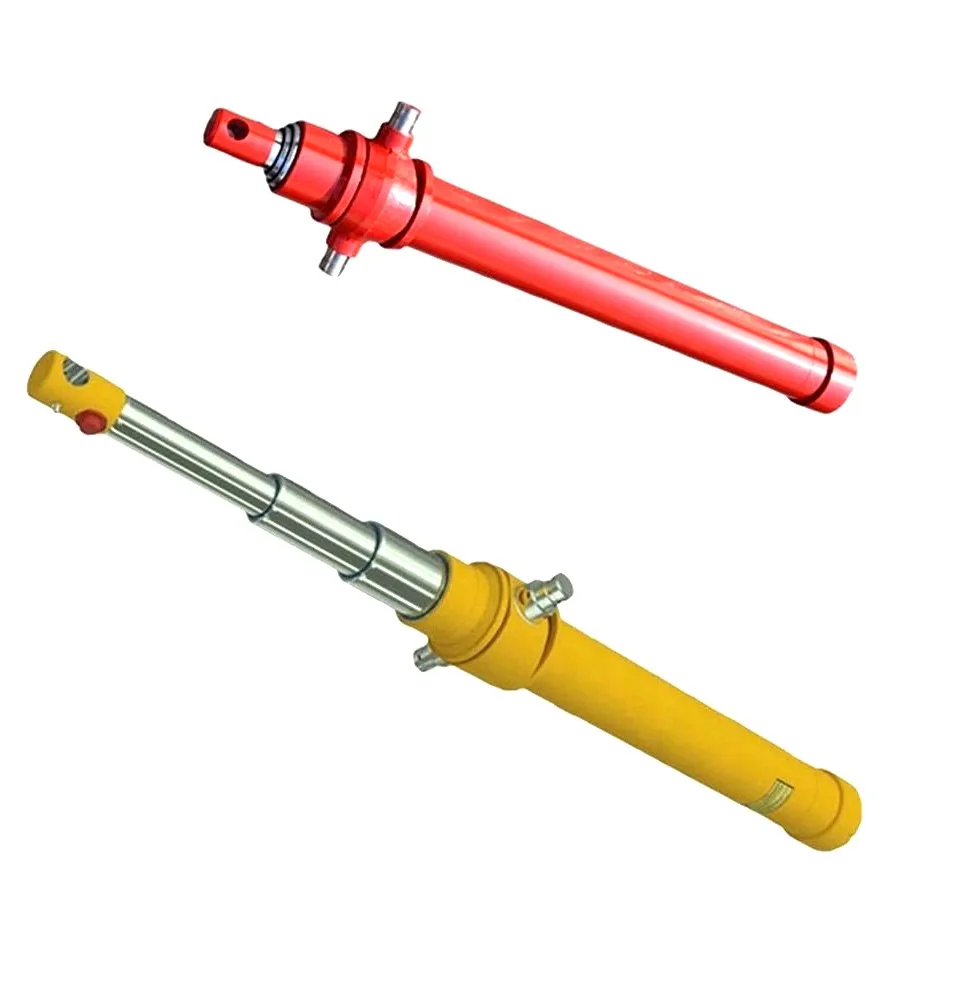
If you’re out there sourcing hydraulic cylinders in 2026, you know exactly how tight this market has gotten. It’s no longer just about specs on a sheet or price per unit. Buyers today want to understand where the real demand is coming from, which sectors are growing fast, and what kind of cylinders they’ll actually need 1–3 years down the line.
We’ve been in this industry since 1998, and over the years, we’ve seen market shifts come and go. But right now, the pattern is crystal clear. Four industries are dominating hydraulic cylinder demand, and together they account for more than 75% of global consumption. Let’s break it down simply, with real numbers and real-world use cases.
First, let’s ground ourselves in the latest data. Mordor Intelligence released their 2026 industry report back in February, and the figures are straightforward:
2025 global hydraulic cylinder market size: $16.18 billion
2026 projected market size: $17.21 billion
Annual growth rate: 5.81%
By 2031, expected to hit: $22.83 billion
The Business Research Company’s 2026 report follows the same upward trend, though their base numbers are slightly different:
2025: $20.02 billion
2026 forecast: $21.11 billion
Either way, the story doesn’t change. The hydraulic cylinder market is growing steadily, driven heavily by infrastructure spending, mining expansion, modern farming, and the explosive rise of renewable energy — especially wind power.
What matters more than the exact billion-dollar figure is this: standard, one-size-fits-all cylinders are no longer enough. Each industry has completely different demands, and buyers are increasingly looking for custom hydraulic cylinders built for their exact working conditions.
Construction is still, by far, the biggest user of hydraulic cylinders — making up 58 to 65 percent of global demand. If you walk onto any job site, you’ll see why.
Excavators, mobile cranes, wheel loaders, concrete pump trucks, drill rigs — all these machines run hard, often 10–16 hours a day, in dust, mud, and extreme temperatures. They need cylinders that can handle constant pressure, repeated shocks, and minimal downtime.
Most construction-grade hydraulic cylinders operate at 16–31.5 MPa. Welded hydraulic cylinder designs are the most common here because they’re robust, cost-effective, and reliable under heavy, continuous use.
Massive infrastructure projects across Asia, the Middle East, and Africa — new roads, bridges, airports, and urban developments.
Aging fleets in many countries, where older machines are reaching the end of their service life and needing replacement cylinders or full overhauls.
For construction equipment buyers, the trend is clear: higher durability, faster delivery, and consistent quality beat low price every time.
Mining comes in second, at 12 to 15 percent of the hydraulic cylinder market. Mining cylinders go into underground roof supports, haul trucks, large excavators, drilling equipment, and material handling systems.
If you think construction conditions are tough, mining is next-level brutal. Dust, constant moisture, extreme heat or cold, and non-stop heavy loads. A mining hydraulic cylinder might run 24/7 for years without a break.
That’s why mining cylinders are built for 25–40 MPa operating pressure, with large bore sizes, long strokes, and heavy external reinforcement. They need multi-stage sealing systems, hard chrome plating, wear-resistant coatings, and in some cases, explosion-proof hydraulic cylinder designs for underground coal or gas mines.
Custom heavy-duty hydraulic cylinders for mining are growing fast. In 2024 alone, demand for high-temperature specialty hydraulic cylinders rose by 15.8%. As mines go deeper and conditions get more extreme, off-the-shelf parts just don’t cut it anymore.
Agricultural machinery accounts for 8 to 10 percent of all hydraulic cylinder usage. Tractors, harvesters, sprayers, plows, and balers all rely on hydraulics to lift, tilt, and move heavy attachments.
The requirements here are totally different from construction or mining. Farm equipment needs lightweight, compact, and cost-effective hydraulic cylinders, easy to install and simple to repair in the field.
Most agricultural cylinders work at 8–16 MPa, usually single-acting or light-duty double-acting designs. They must resist mud, rain, dust, and vibration, often with minimal maintenance for months at a time.
Farm consolidation — larger farms using bigger, more advanced machinery.
Automation — more precision farming equipment with electronic controls, requiring precision-controlled hydraulic cylinders that can deliver consistent force and movement.
For ag equipment manufacturers, the focus is on low cost, reliability, and ease of integration into automated systems.
Wind energy is where the real growth is happening. In 2024, wind power hydraulic cylinder demand jumped by 27.4% — and that rate is expected to continue through 2026 and beyond.
Wind turbines use hydraulic cylinders in pitch control systems (to adjust blade angles) and yaw systems (to rotate the turbine into the wind). Offshore wind platforms also rely on large hydraulic cylinders for installation, lifting, and positioning equipment.
These are some of the most advanced hydraulic cylinders in the industry. They operate at 20–35 MPa, are built to last 20+ years with almost no maintenance, and must withstand salt spray, corrosion, and extreme weather — especially offshore.
Every wind turbine hydraulic cylinder undergoes strict testing: fatigue cycling, low-temperature performance, and saltwater corrosion resistance. This makes them high-value, high-quality components, not commodity parts.
As countries push for net-zero emissions, wind farm construction will keep accelerating — and so will demand for custom, long-life hydraulic cylinders for wind turbines.
If you’re sourcing hydraulic cylinders this year, these market shifts directly affect what you should prioritize.
Higher pressure ratings — bigger, more powerful machines need cylinders that can handle 25–40 MPa.
More custom hydraulic cylinders — standard parts rarely fit unique job requirements anymore.
Smart monitoring features — built-in sensors to track pressure, temperature, and wear in real time.
Low-leak hydraulic cylinder designs — reduce oil waste, cut energy costs, and meet stricter environmental rules.
Gone are the days when buyers only compared prices. Today, procurement teams care about reliability, consistent quality, fast delivery speed, responsive after-sales support, and lower total cost of ownership (TCO) over the equipment’s lifespan.
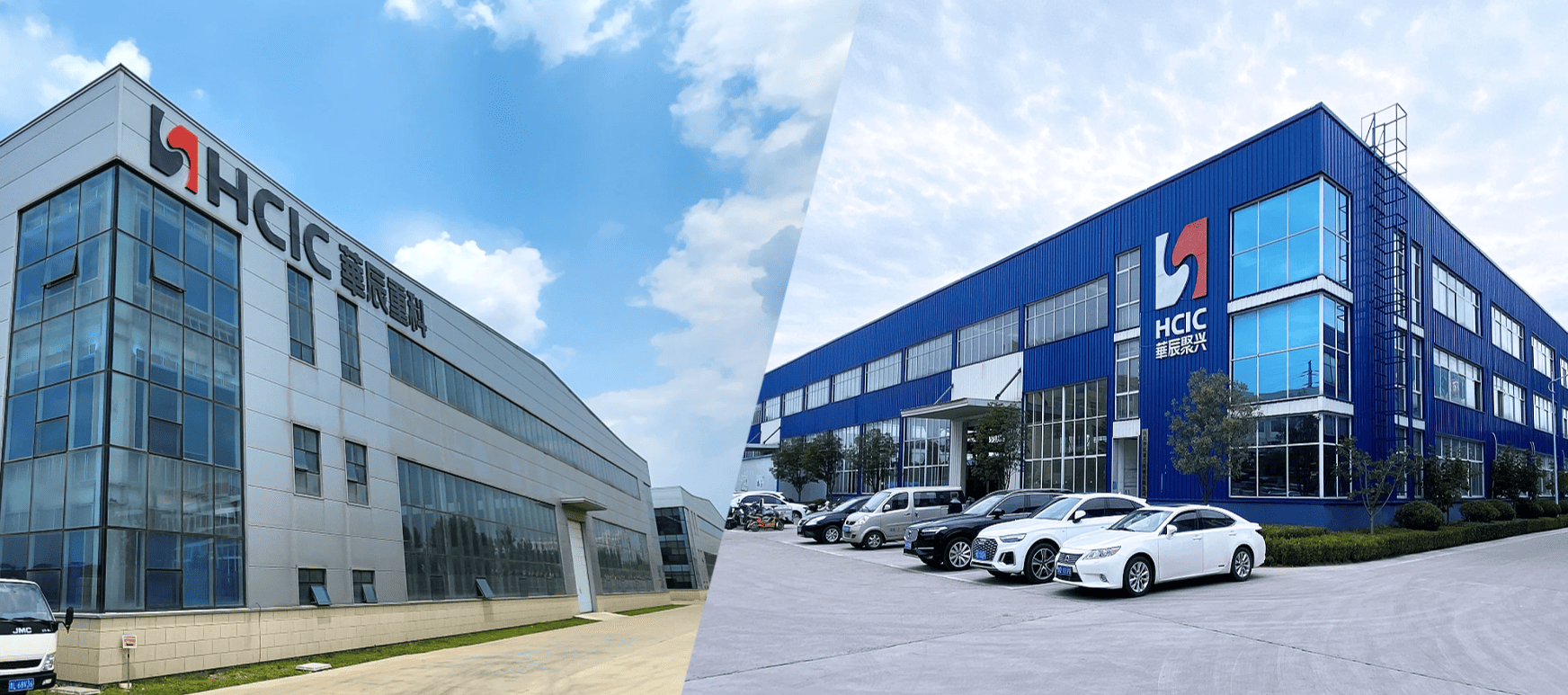
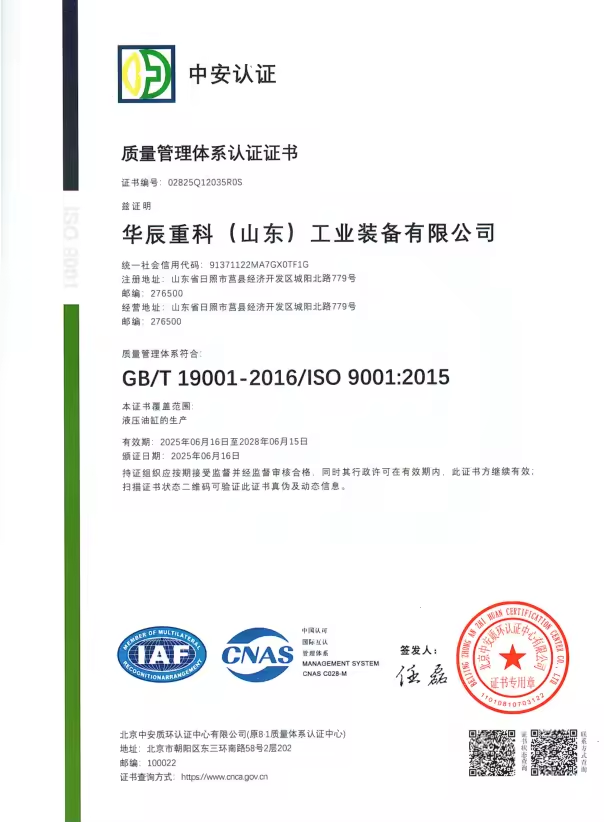
At HCIC, we’ve been designing and building hydraulic cylinders since 1998 — over 28 years of hands-on manufacturing experience. We run three modern production facilities, fully equipped with CNC machining centers, automated welding stations, and precision testing equipment. Our quality management system is ISO 9001 certified, and every cylinder we ship comes with a 12-month warranty plus global after-sales support.
We specialize in both standard hydraulic cylinders and custom hydraulic cylinder solutions tailored for construction, mining, agriculture, and wind power applications. Whether you need a welded cylinder for an excavator, a heavy-duty reinforced cylinder for mining, a compact lightweight cylinder for a tractor, or a high-spec corrosion-resistant cylinder for an offshore wind turbine — we engineer each unit to match your exact pressure rating, bore size, stroke length, sealing system, and material requirements.
Our hydraulic cylinders are exported to more than 52+ countries worldwide, supporting equipment manufacturers, engineering firms, and end-users across every major industry. We don’t just sell cylinders — we work closely with you to understand your equipment, your working conditions, and your long-term goals, so you get a hydraulic cylinder that performs reliably, reduces downtime, and lowers your overall costs.
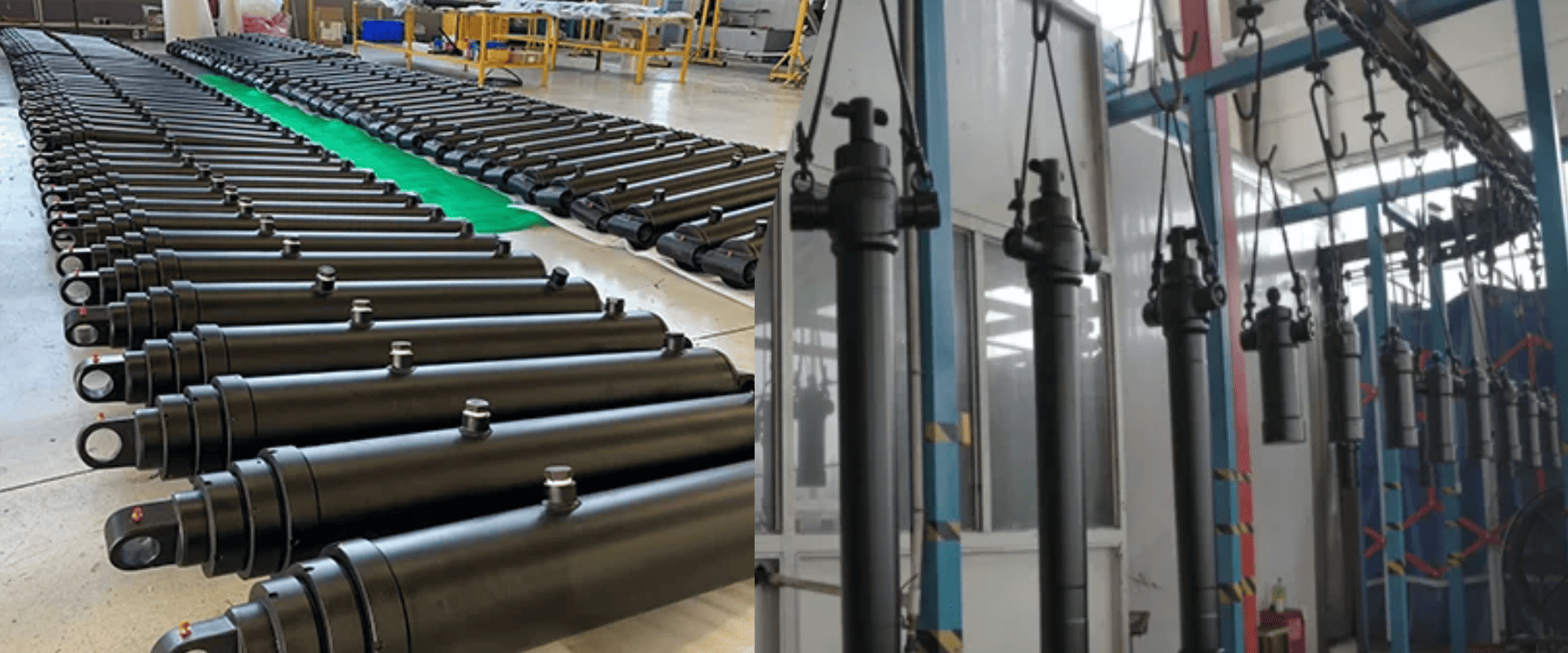
If you’re looking for a trusted hydraulic cylinder manufacturer in 2026 — one with proven expertise, stable quality, and real-world experience across all key industries — reach out to HCIC today. We’ll help you find the right cylinder solution for your application.