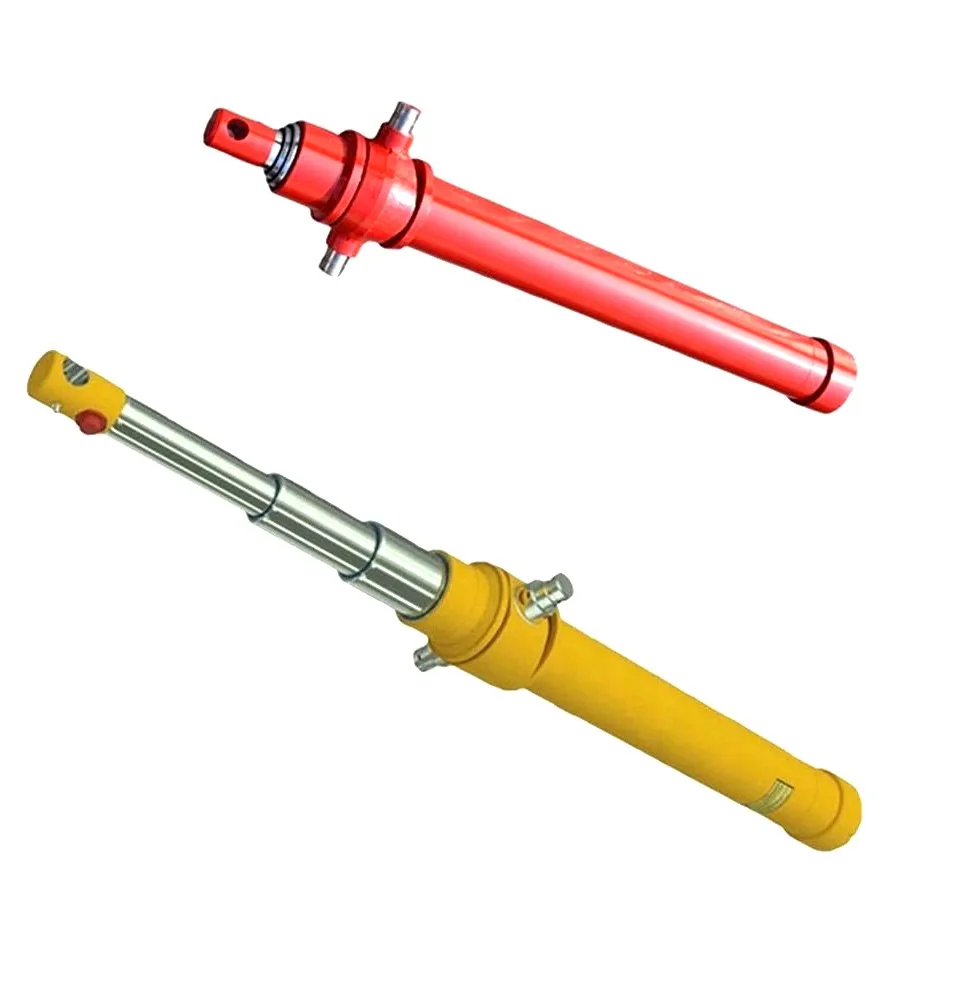
If you run hydraulic cylinders in tough fields, unexpected breakdowns will shut down your equipment, push up maintenance bills, and mess up your whole production line. From what I’ve seen on actual job sites, following simple, down-to-earth steps can make these cylinders last much longer. I’ll break it down step by step, just like I explain it to new crew members on site.
The first choice you make for a hydraulic cylinder sets the limit for how long it will run. Picking the right fit for your job cuts down breakdowns and saves money over time.
Different harsh spots hit cylinders in different ways. If you’re in a mining area or desert full of dust, get a cylinder built to block dust. For hot steel mills or foundries, pick one made to stand up to high heat. For marine or coastal jobs, go with corrosion-resistant designs. Don’t grab a one-size-fits-all cylinder—you’ll just have trouble down the line.
You can’t check every tiny part inside a cylinder, but you can check if it meets standards like GB/T 15622-2021. I’ve worked with manufacturers who have real experience in tough environments—their cylinders hold up longer and need fewer fixes. Stay away from cheap, unbranded parts; they save money at first but cost more later.
Most tough jobs aren’t “standard.” Generic cylinders wear out fast and leak too often. I’ve seen custom hydraulic cylinders fix this—they’re built for long strokes, high heat, or high pressure, so they fit your machine perfectly and stay reliable.
Most cylinder problems trace back to bad installation. Taking time to install and test correctly keeps wear low and avoids unplanned downtime.
Before mounting, wipe down the mounting surfaces and piston rod. Dirt and grit inside a cylinder wear out seals fast. Check the seals for cracks or damage—replace them right away. Also, make sure your hydraulic oil is clean and not old or dirty.
When you bolt the cylinder on, line it up with the machine so it’s within 0.5% tolerance. Grab a level to make sure the angle’s right, tighten the bolts evenly, and leave enough slack for the rod to fully extend. This keeps the load balanced so you don’t end up with bent rods or worn-out cylinders from lopsided pressure.
Once it’s mounted, cycle the cylinder 3 to 5 times without any load. Keep an eye on how smoothly it moves, listen for odd knocks or squeaks, and check for leaks around the seals and fittings. Fix any problems before you put the cylinder under full load. This small step stops big headaches later.
Cylinders wear faster in tough environmentsBasic, regular maintenance—done by your on-site crew—makes them last much longer and cuts repair costs.
Check seals every 15 days and test for leaks every 30 days. Replace worn seals with tough, corrosion-resistant material. Wipe the piston rod clean every day—scratches here ruin seals.
Swap out your hydraulic oil every 3 to 6 months, and pick the right oil for your job site. Change the filters on a regular schedule to keep crud out of the system. Dirty oil is the #1 reason cylinders wear out early.
If you’re working in dusty spots, slap a protective cover on the piston rod. For hot jobs, hook up a cooling setup. Marine work? Treat the cylinder to fight corrosion. In cold weather, preheat it before you start running. These quick steps keep outside damage from trashing your cylinder.
Ignore tiny issues, and they’ll blow up into huge, expensive breakdowns down the line.Knowing quick on-site fixes reduces downtime and loss.
You don’t need fancy tools. Just look, listen, and feel: look for leaks, rod scratches, or dirty oil; listen for knocking or squealing; feel if the cylinder is too hot. These simple checks spot most issues.
For small leaks, replace the seal right away. If the rod sticks, clean it and realign the cylinder. If oil is dirty, change the oil and filters. After a quick fix, call the manufacturer for a full check to make sure it’s fixed for good.
When you’re using hydraulic cylinders in harsh conditions, there are four simple things you’ve got to get right: pick the right cylinder for your exact job, install it properly, stay on top of routine maintenance, and catch small issues before they turn into big problems.
Stick to these simple rules, and your cylinders will run way longer, saving you money on repairs and downtime. When you need hydraulic cylinders built for real-world harsh conditions, and full support to keep them running, go with HCIC. We build custom hydraulic cylinders that actually hold up to harsh work conditions. We follow strict quality standards every step of the way, and we stand behind what we make so your production stays on track and avoids expensive downtime.