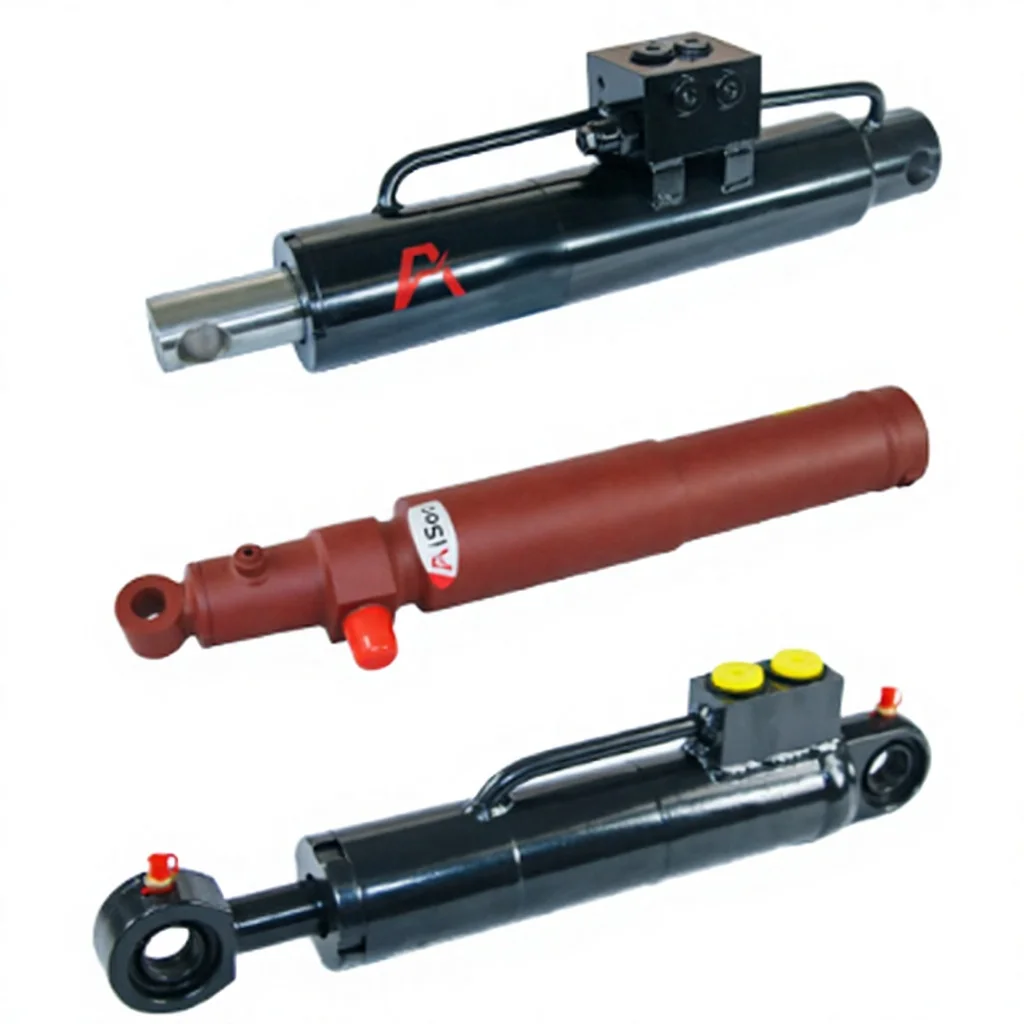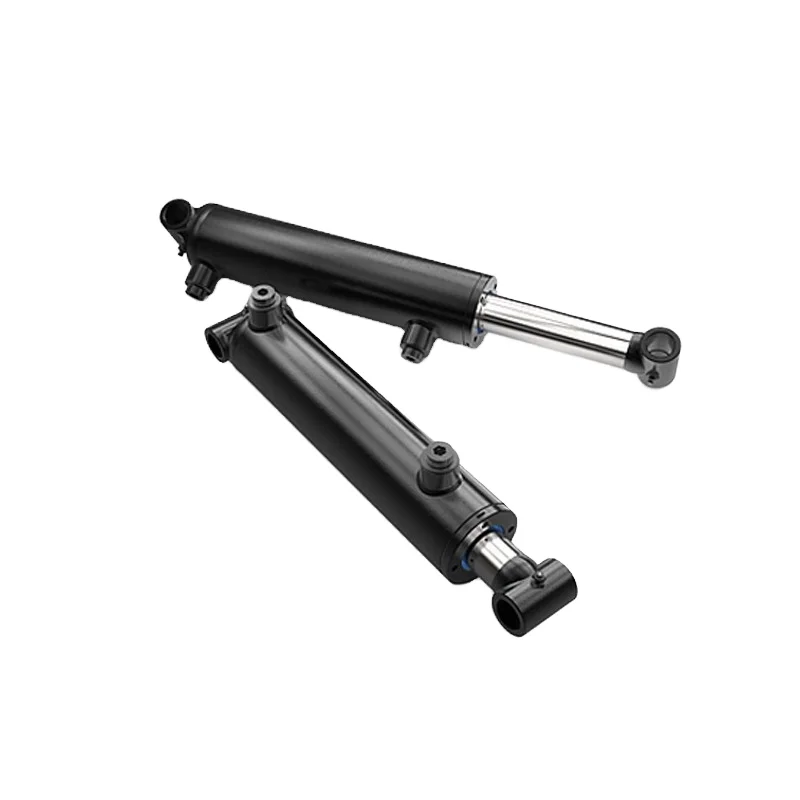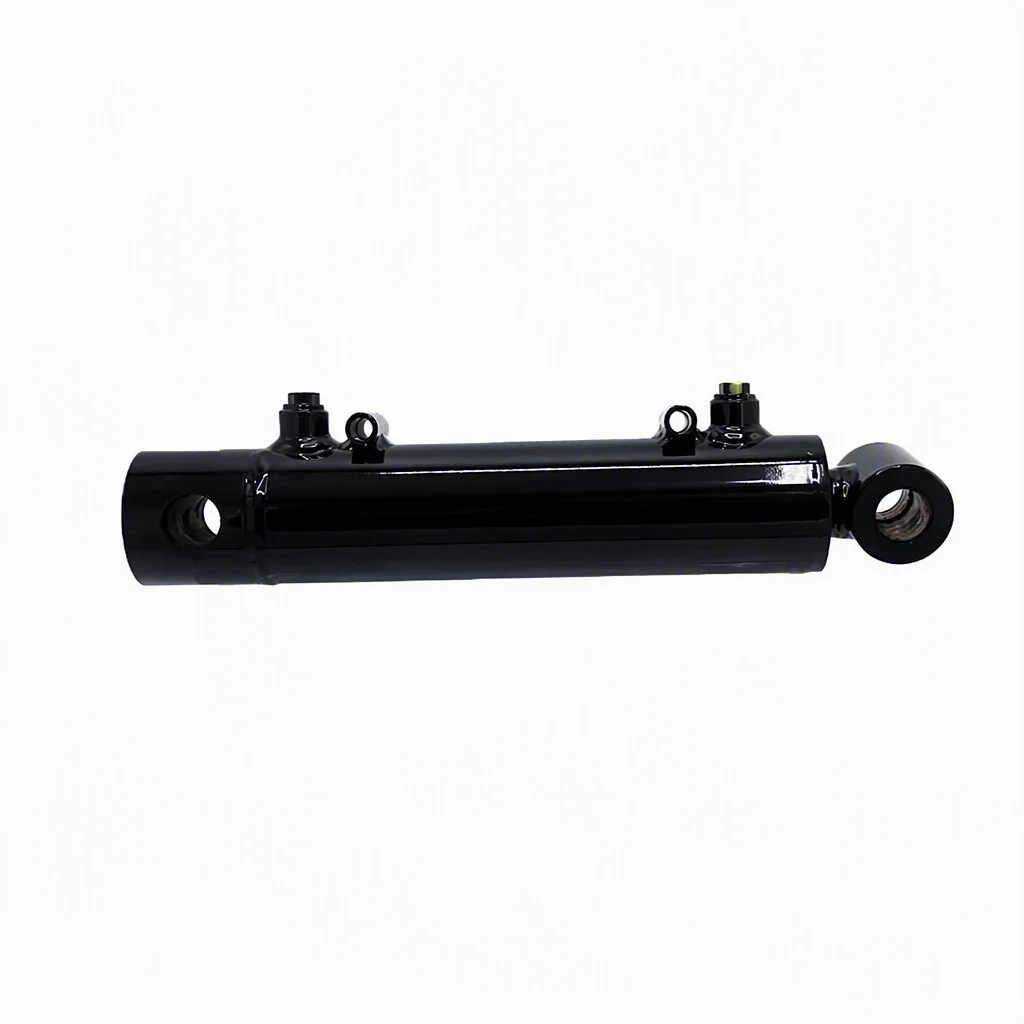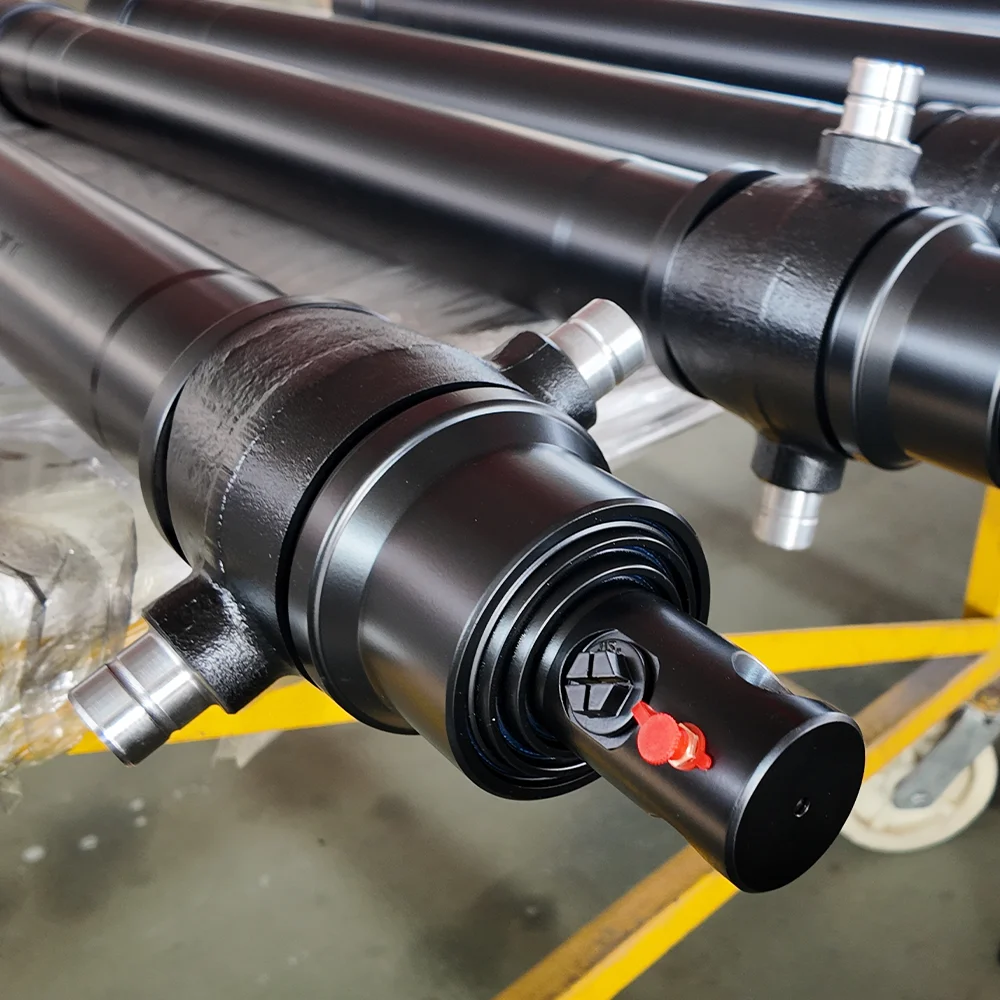
If you work with heavy equipment or run a shop that does hydraulic repairs, you know how common cylinder leaks are—and how much they can mess up your day. I’ve been around these machines long enough to see how a small drip turns into a huge problem fast. Let’s break down the real reasons cylinders leak, how to stop it before it happens, and how to fix it quick when it does.
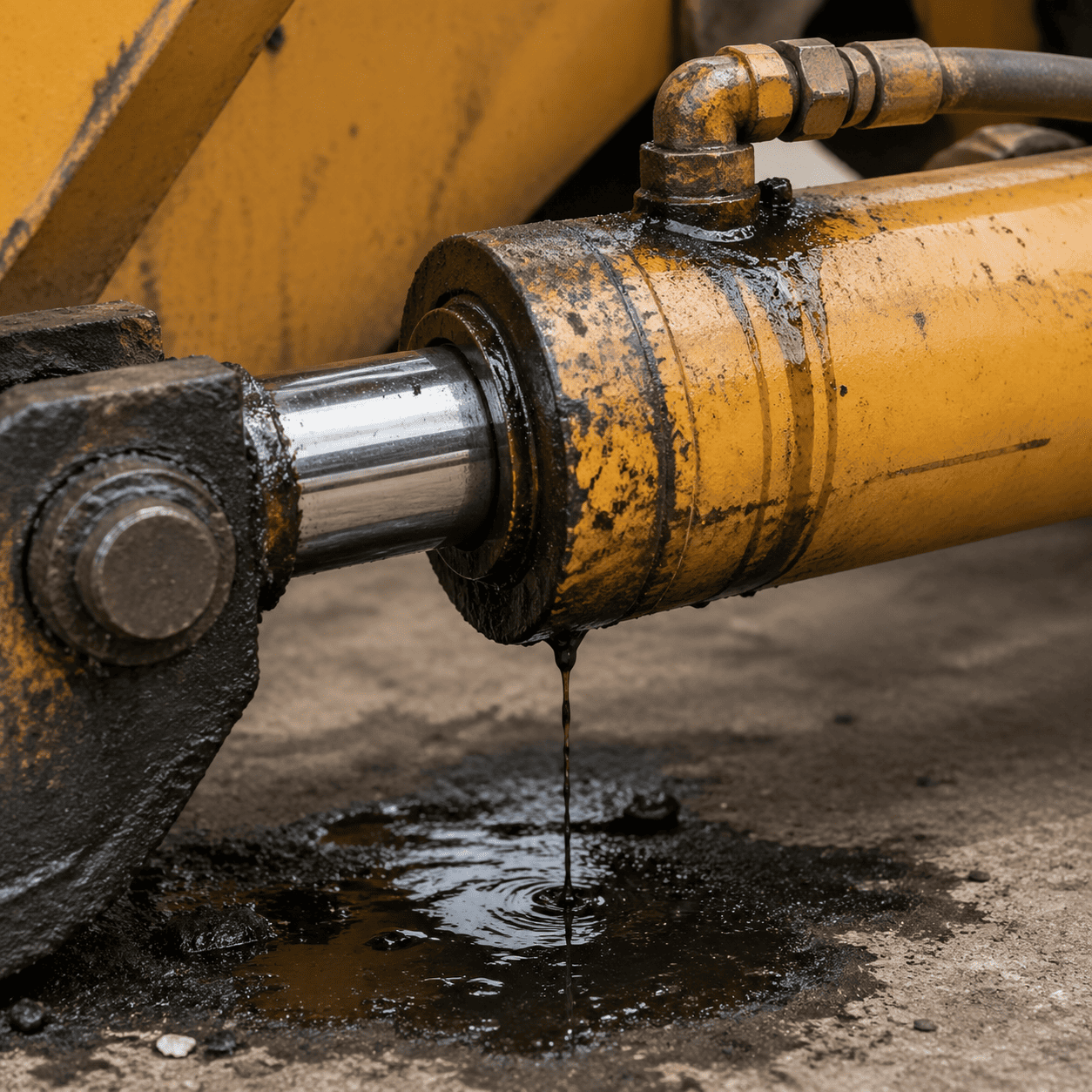
First off, there are two main kinds of leaks you’ll run into. Both need different fixes, so it helps to know which one you’re dealing with.
This is the obvious one. You see oil dripping or seeping out somewhere on the outside of the cylinder—usually around the piston rod, the end caps, or the hose connections. It’s messy, wastes oil, and can make the whole work area slippery and unsafe. Even a slow drip adds up over time, and if you ignore it, it’ll only get worse.
This one’s trickier because you can’t see it. The oil is leaking inside the cylinder, moving from the high-pressure side to the low-pressure side. You’ll notice the cylinder feels weak, moves slower than it should, or the machine struggles to lift a load. Most people brush this off as “just getting old,” but it’s usually a leak that needs fixing.
Leaks don’t just happen overnight. Most of the time, it’s a mix of small issues building up over months or years of use.
This is the #1 cause, hands down. Seals are what keep the oil in, and they take a beating every time the cylinder moves. Over time, they wear out, get hard from heat, or crack from cold weather. If you use the wrong seal for the job—like a standard rubber seal in super hot or freezing conditions—it’ll fail way faster. I’ve seen guys install seals backwards or nick them with a tool during assembly, and that kills them right away.
If the piston rod gets scored or the chrome plating peels off, it’ll tear up the seals every time it moves. Dirt and metal shavings in the oil also scratch the inside of the cylinder barrel, making the gap too big for the seals to hold pressure. Bent rods or warped end caps throw everything out of alignment, and that wears seals unevenly.
Dirty oil is like sandpaper to your seals and cylinder walls. Dirt, water, or metal particles floating around will grind everything down. Old oil that’s broken down from heat gets too thin, and that makes it hard for the seals to do their job. I’ve also seen guys mix different brands of oil, which swells up the seals and makes them leak.
Most leaks get way worse because people skip basic checks. Running the machine hard, slamming the controls, or letting it sit out in the rain all speeds up wear. If you don’t change the oil or filters on schedule, the oil gets dirty fast. Even loose bolts on the end caps can let oil seep out over time.
Always use seals made for your working conditions. If you’re in a place that gets super cold, use cold-resistant seals. Hot environments need heat-resistant ones. Use good quality seals, not the cheapest knockoff you can find. Install them in a clean space, use a little lube, and make sure they go in the right way—don’t force them or scratch them.
Use the exact oil your equipment manual says to use. Change the oil and filters on schedule, no skipping. Keep the tank covered so dirt and water don’t get in. If you’re refilling oil, pour it through a filter. In winter, switch to oil that works in cold weather, and make sure the machine doesn’t overheat in summer.
Don’t slam the controls or run the machine way past its limit. That causes pressure spikes that wreck seals. Check the cylinder once a day—just look for oil drips or wet spots around the rod and caps. If something feels off, don’t wait to check it out. Align the cylinder right when you install it so the rod moves straight, no side load.
If the machine works in dirt or rain, put a boot or dust cover on the piston rod to keep grit out. For machines that sit outside in winter, keep them covered so the seals don’t get brittle from the cold. If you’re running hot all day, make sure the cooler is working to keep the oil from getting too hot.
If you do find a leak, don’t panic. Most of the time it’s a simple fix if you catch it early.
External leaks are easy—just follow the oil trail to where it’s coming from. For internal leaks, you can test it by extending the cylinder all the way, disconnecting the low-pressure hose, and pumping oil into the high-pressure side. If oil comes out the other side, you’ve got an internal leak. You’ll also notice the cylinder is weak or slow.
Most of the time, you just need to replace the seals. Take the cylinder apart, clean everything really well, and put new seals in. If the rod is scratched, you can sometimes buff it out or use a repair kit. If the chrome is gone or the scratch is deep, you’ll need to get it re-chromed or replace the rod. If the leak is at a hose connection, just tighten it up or replace the fitting.
You’ll need to take the cylinder apart for this. Check the piston seals first—those are usually the problem. If the inside of the barrel is scratched, you might be able to hone it smooth. If it’s too bad, you’ll need a new barrel. Make sure everything is clean before you put it back together, and test it under pressure to make sure it holds.
After you fix it, don’t just jump right into full pressure. Run it slow a few times to let the new seals seat in. Gradually turn up the pressure, and watch for leaks or weird noises. Only use it full time once you’re sure it’s not leaking and moves smooth.
At the end of the day, cylinder leaks almost always come down to worn seals, dirty oil, or just not taking care of the machine. The best way to deal with leaks is to stop them before they start with basic maintenance. If you do get a leak, catch it early and fix it right—don’t wait for it to turn into a big, expensive problem. A little extra care on your end keeps the machine running and saves you a ton of headache later.