If you check maintenance records from construction fleets, dump trucks and mining machines across global worksites, over 60 percent of hydraulic cylinders fail early just because their seals break down. Regular PU seals wear out fast on dusty job sites with constant heavy load shifts. Right now buyers from Europe and North America ask for cylinders that can run thousands of hours without breakdown, so custom seal materials and optimized seal structure have turned into the key technical advantage for reliable hydraulic part suppliers.
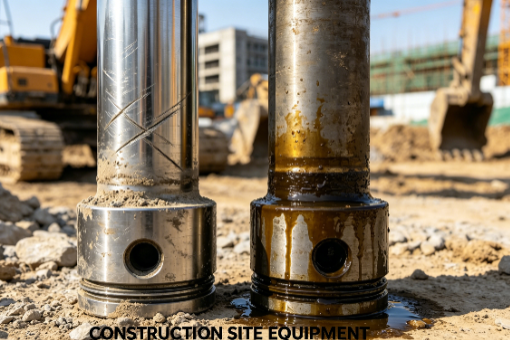
Most mechanics and small distributors used to attribute oil leaks to low-quality seal materials alone, but lab durability tests tell us there are four distinct failure modes for cylinder seals. Each working environment triggers a unique seal damage issue, and simply swapping standard seals can never fully stop persistent leaking. Besides, new international machinery safety rules are enforced in EU and US markets, field engineers always review a cylinder’s whole sealing system before placing bulk orders.
Sand, dirt and tiny metal scraps stick to the moving piston rod and rub against seal lips every time the cylinder stretches. These tiny scratches leave permanent grooves on both rod coating and seal surfaces, creating a cycle that makes oil leakage worse over time. Dirty hydraulic fluid without proper filtration speeds up seal abrasion significantly.
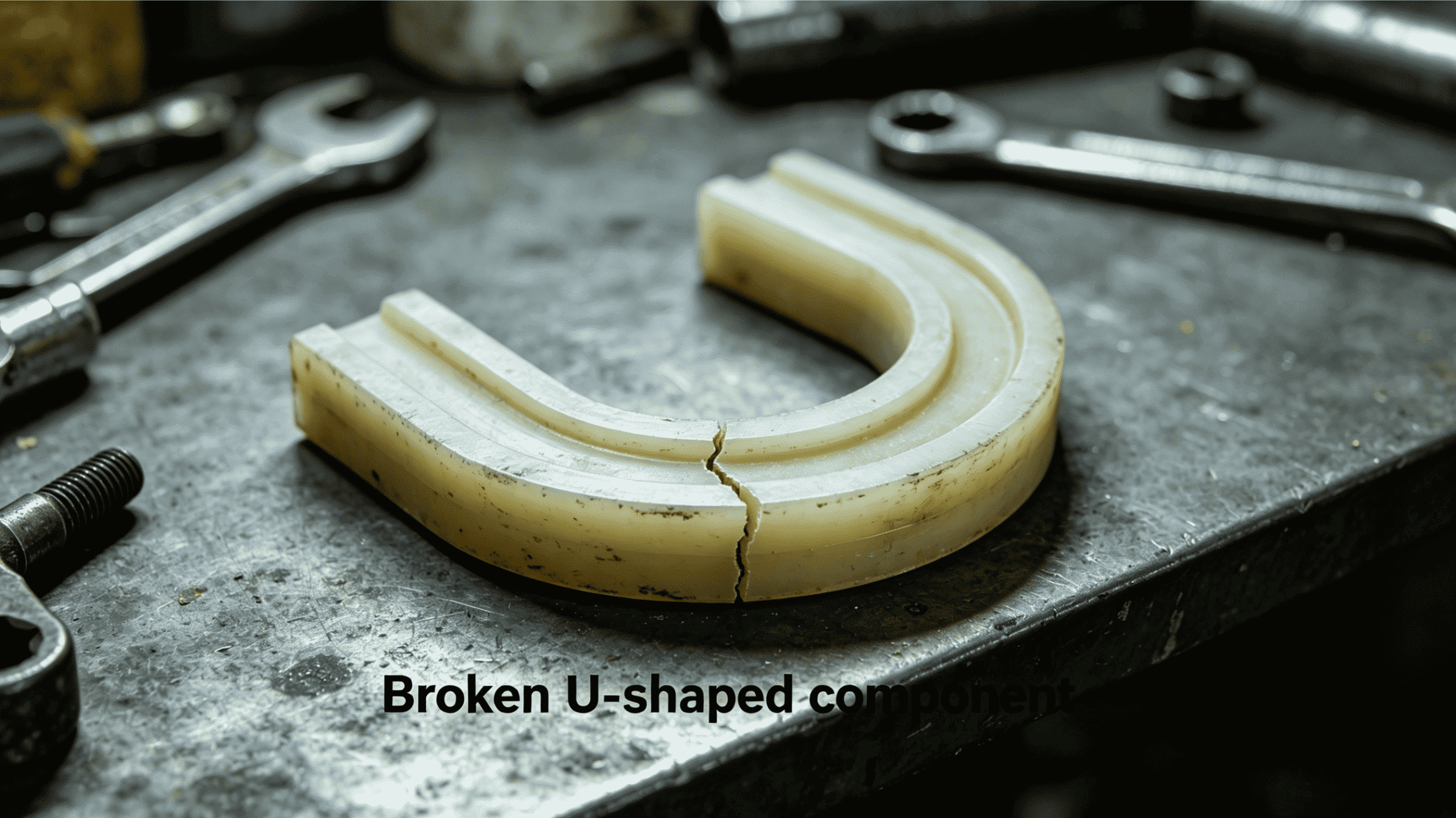
Dump truck lift cylinders expand and retract hundreds of times every workday. Single-lip seals keep getting squeezed and rebounded repeatedly, which creates tiny fatigue cracks after thousands of cycles and slowly weakens the sealing performance.
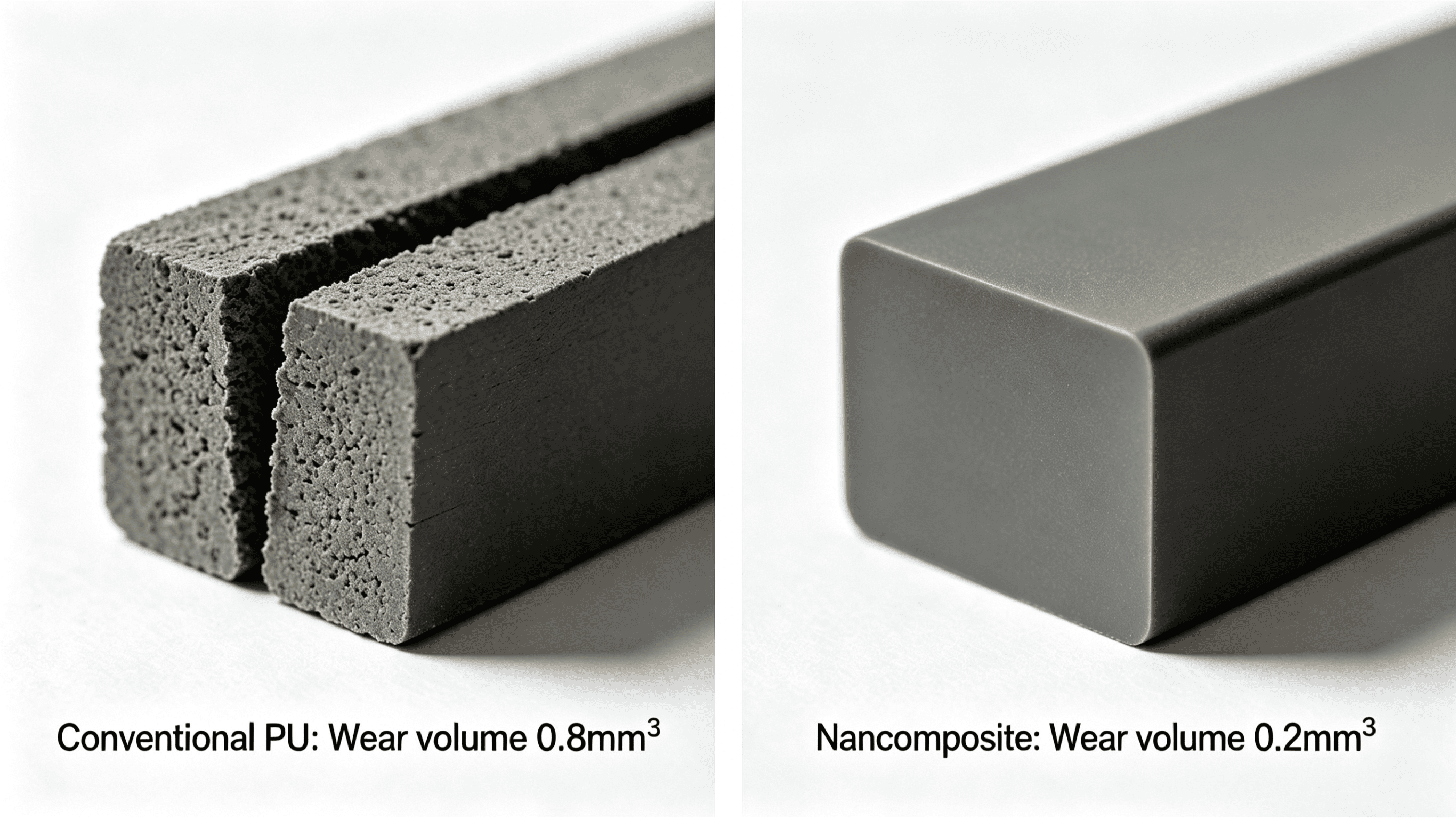
For heavy-duty hyddraulic cylinders rated above 32MPa, high-pressure hydraulic fluid pushes soft seal material into the thin gap between piston rod and cylinder barrel. This tears the edge of seals, resulting in weak lifting force and sudden pressure loss during operation.
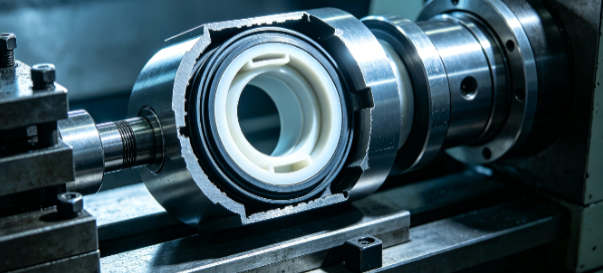
Standard rubber and PU seals only work within a narrow temperature range. They turn brittle in cold winter areas of North America, or swell and soften under long high-temperature exposure in open mines of Southeast Asia. This mismatch is one of the most frequent after-sales issues for exported hydraulic cylinders.
Manufacturers add nano mineral fillers into raw PU to cut friction and wear rates effectively, with a stable working temperature range from -40°C to 120°C. Equipment running under continuous high heat uses FKM fluoro-rubber composite slip rings, while fleets operating in freezing areas choose modified silicone seals to fit local climate features.
Instead of old single-layer single-lip seals, this design uses stacked stepped sealing lips with built-in pressure relief grooves to share high hydraulic pressure evenly. PTFE wear-resistant slip rings reduce direct friction contact, and double dust wiper rings at the rod inlet block mud and dust from entering seal cavities to slow abrasive wear fundamentally.
Two mature mainstream surface processing methods are widely used at present. Laser cladding ceramic coating offers great wear resistance and salt spray protection, perfectly matching heavy mining equipment. Ultrasonic rolling treatment polishes rod surface texture without changing coating materials, reducing friction damage to seal lips and suiting mass-produced replacement dump truck cylinders well.
Today fleet managers and engineering purchasing teams no longer only compare the upfront cost of cylinders; they calculate overall long-term maintenance expenses instead. Trustworthy heavy-duty cylinder sealing systems need to meet three core standards: sufficient pressure safety margin for heavy-load use, long cycle service life under harsh environments, and customized seal kits made for different working conditions.In the short term, nano composite seal materials paired with multi-layer stepped structures will become standard factory configurations for most construction hydraulic cylinders. In the long run, intelligent seals with built-in pressure and temperature sensors will be launched to support new energy construction machinery, realizing real-time monitoring of leakage risks. Independent research on seal simulation testing and integrated piston rod surface processing will create an obvious technical gap between premium manufacturers and low-cost generic suppliers.
If you want seal matching parameter charts for dump trucks, mining machinery and sanitation equipment, check our hydraulic cylinder technical buying guide page for full comparison data.