1.1 Minor scratches on hydraulic piston rods keep wearing internal seals and trigger slow oil leaks. Constant seal replacement pushes up regular fleet maintenance costs. Two field-proven repair methods are widely used: on-site polishing and laser cladding. These two options show huge gaps in suitable working scenarios, total spending and usable time after repair.
1.2 This guide is written from real repair jobs at construction yards. It simplifies the comparison of two repair techniques to help field mechanics and fleet owners quickly pick the right piston rod repair solution.
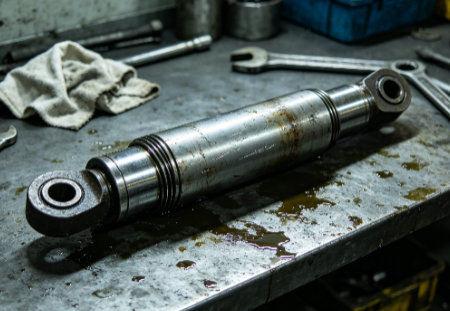
2.1 Minor scratch damage: Scratches are less than 0.03mm deep, only leaving faint marks on chrome coating with no exposed steel or pits. The cylinder just seeps oil slowly without weaker lifting force, which fits simple polishing repair.
2.2 Severe rod wear: Scratches go deeper than 0.05mm, with peeled plating, rust spots and clear concave pits. The cylinder loses pressure and lifts loads weakly, so laser cladding is needed to rebuild a wear-resistant outer layer.
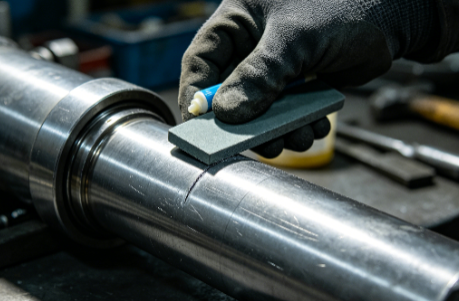
3.1 On-site polishing repair: Take the piston rod fully apart, rub scratches smooth with abrasive stones and polishing paste, clean the rod surface thoroughly, then fit new seal kits. You can finish this repair right at job sites or local repair shops within 1 to 3 hours.
3.2 Laser cladding repair: Ship the worn rod to a professional processing workshop. Workers strip off damaged old coating, melt ceramic alloy powder onto the rod surface with laser machines, then carry out precise grinding and mirror polishing. The whole process takes 2 to 4 days and relies on dedicated industrial equipment.
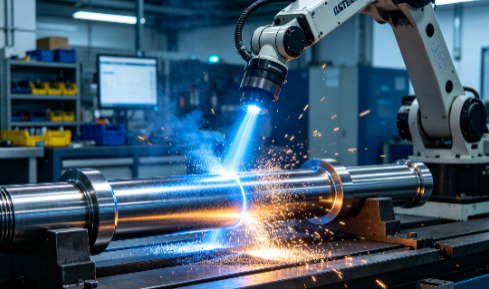
4.1 One-time direct cost: On-site polishing requires cheap supplies and little labor, its full cost is only one fifth of laser cladding. Laser cladding uses high-cost alloy powder and extra precision machining, leading to a much higher single repair price.
4.2 Long-term hidden maintenance cost: Polishing only smooths surface marks without boosting the rod’s wear resistance, so you still need to swap seals frequently later. Laser cladding creates hard, rust-proof ceramic coating, which greatly cuts repeated maintenance and extra running costs.
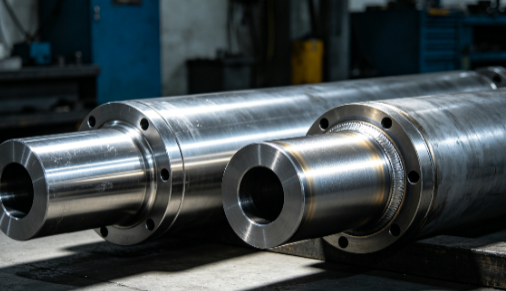
5.1 Polishing repair lifespan: Polished rods can ease seal wear temporarily. Under dusty mining and heavy-duty conditions, scratches and oil leaks will come back in 3 to 8 months. For light sanitation vehicles, the repaired rod can work for 10 to 14 months.
5.2 Laser cladding repair lifespan: Laser-clad ceramic coating is harder than original factory chrome plating. It works steadily for 2 to 3 years in rough mining sites, and lasts over 3 years on light-duty machinery without new damage.
6.1 Go for polishing repair if you only need short-term use, have a tight budget, face minor scratches or plan to retire the vehicle soon. It cuts one-time repair cost and meets temporary work demands.
6.2 Choose laser cladding for large fleets and mining machines running heavy loads all year round. It fully fixes severe wear and rust, and avoids frequent machine downtime for maintenance.
7.1 On-site polishing works fast and costs little, it’s just a temporary fix for light scratches on piston rods. Laser cladding costs more upfront but delivers far better wear resistance and longer service life, perfect for hydraulic cylinders running heavy loads long term.
7.2 Check scratch depth and daily working conditions before you start any repair. Matching the proper repair method balances maintenance cost and machine stability, and reduces downtime losses caused by repeated cylinder seal failure.