As a core actuator for construction machinery and industrial equipment, the rationality of hydraulic cylinder selection directly determines the operating efficiency, service life and operational safety of the equipment. Whether for replacing parts of conventional equipment or supporting procurement of customized equipment, correct selection avoids frequent failures and rising maintenance costs in the later stage, while maximizing the working efficiency of the equipment. For purchasers, accurate selection not only reduces procurement costs but also minimizes production downtime caused by mismatched parts, cutting unnecessary losses for enterprises.
Bore diameter is one of the core dimensions of a hydraulic cylinder, directly determining its output thrust—the larger the bore diameter, the stronger the output thrust and the higher the applicable load weight.Stroke defines the maximum moving distance of the hydraulic cylinder piston. It has to match the actual working needs of the equipment precisely. An excessively long or short stroke will disrupt normal operation. For example, dump trucks need long-stroke hydraulic cylinders to lift the cargo box completely. Small industrial machinery uses short-stroke cylinders to balance efficiency and save installation space.
Pressure rating is shown in MPa, and it represents the maximum pressure that a hydraulic cylinder can bear during normal operation. It has to match the equipment’s working pressure exactly. If it doesn’t, there could be safety problems—like the cylinder breaking or oil leaking—because it can’t stand up to the required pressure.
Could you share more examples of hydraulic cylinders used across different fields?
How do I pick the right hydraulic cylinder for a particular application?
What safety rules should I follow while operating hydraulic cylinders?
What are the common types of hydraulic cylinders?
How to maintain hydraulic cylinders?
What are the advantages and disadvantages of hydraulic cylinders compared to other actuators?
Standard industrial hydraulic cylinders usually work within 16MPa to 31.5MPa. Heavy construction machinery such as excavators and cranes needs high-pressure cylinders rated above 25MPa, while common industrial machines including small presses fit medium and low-pressure cylinders.
Single-acting hydraulic cylinders produce movement in one direction only when pressurized hydraulic oil is applied. They depend on the weight of the load or an internal spring to retract the piston. These cylinders have a simple design and lower cost, making them ideal for one‑way tasks such as lifting and pushing, as seen in small lift tables. Double-acting hydraulic cylinders use hydraulic fluid to move the piston in both directions. They deliver steady power and offer flexible control during operation. They are widely used in construction machinery (such as excavators and forklifts) that require bidirectional operation, meeting complex motion demands.
Tie-rod hydraulic cylinders fasten both ends of the cylinder body with tie rods. The structure is designed to be disassembled, which makes later maintenance and repair very simple.
These cylinders also offer strong versatility, with installation methods that can be adjusted as needed.They fit light and medium industrial equipment, including small presses and conveying machinery.
They perform excellently in scenarios where easy maintenance is key, with a low overall cost, so they have become one of the most popular cylinder types in the industry.
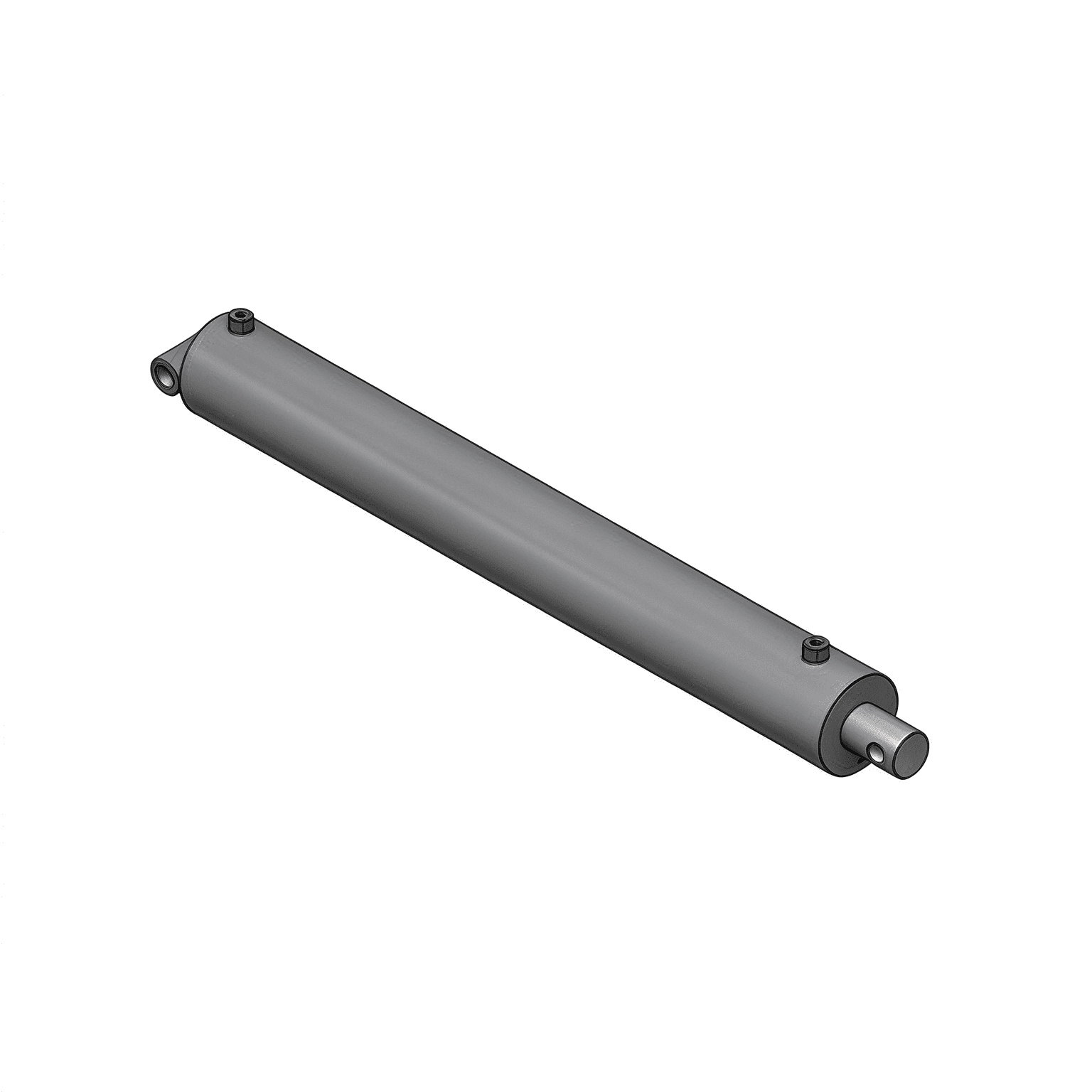
Welded hydraulic cylinders use welding to hold the cylinder body together. They have a solid build, dependable sealing, high pressure tolerance, and strong resistance to impact, so they perform reliably even in rough working conditions. With no tie rods needed, these cylinders are more compact and lighter overall. They fit heavy-duty machines such as excavators and heavy cranes, especially where space is limited and loads are high. They last much longer than tie-rod hydraulic cylinders.
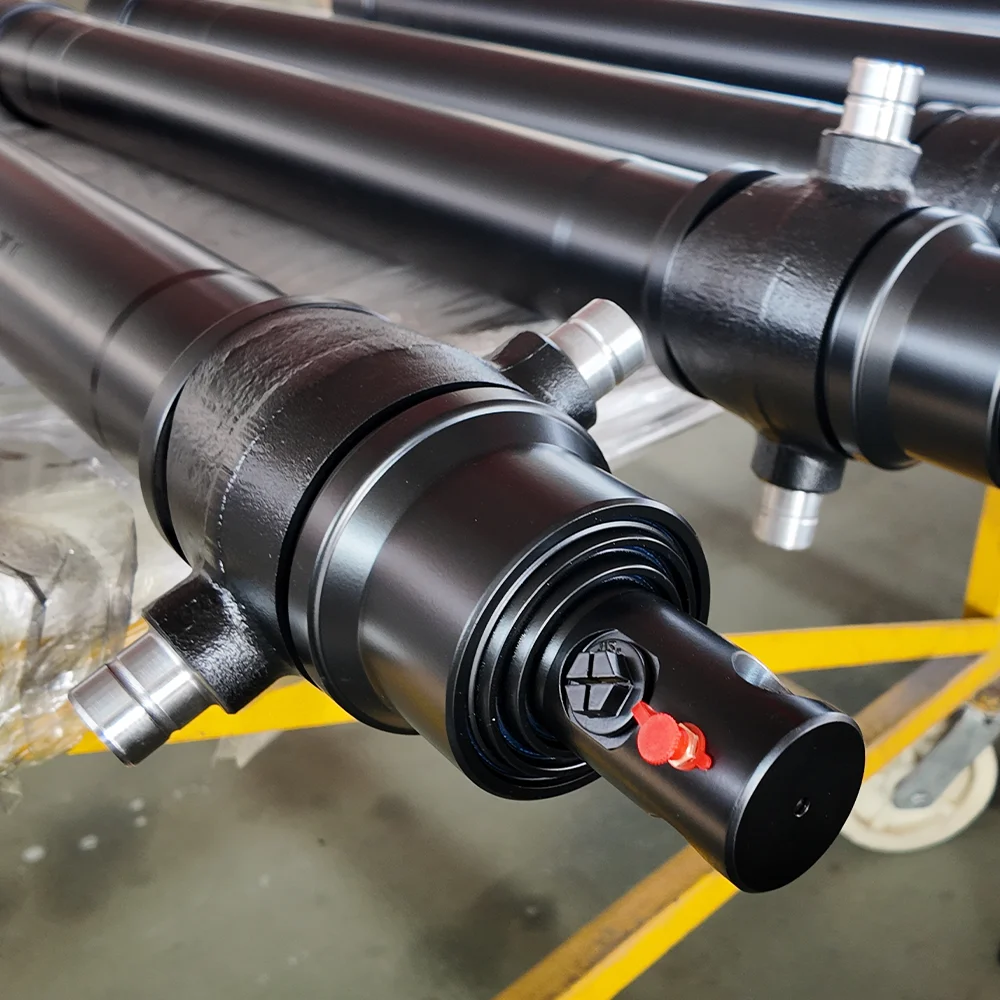
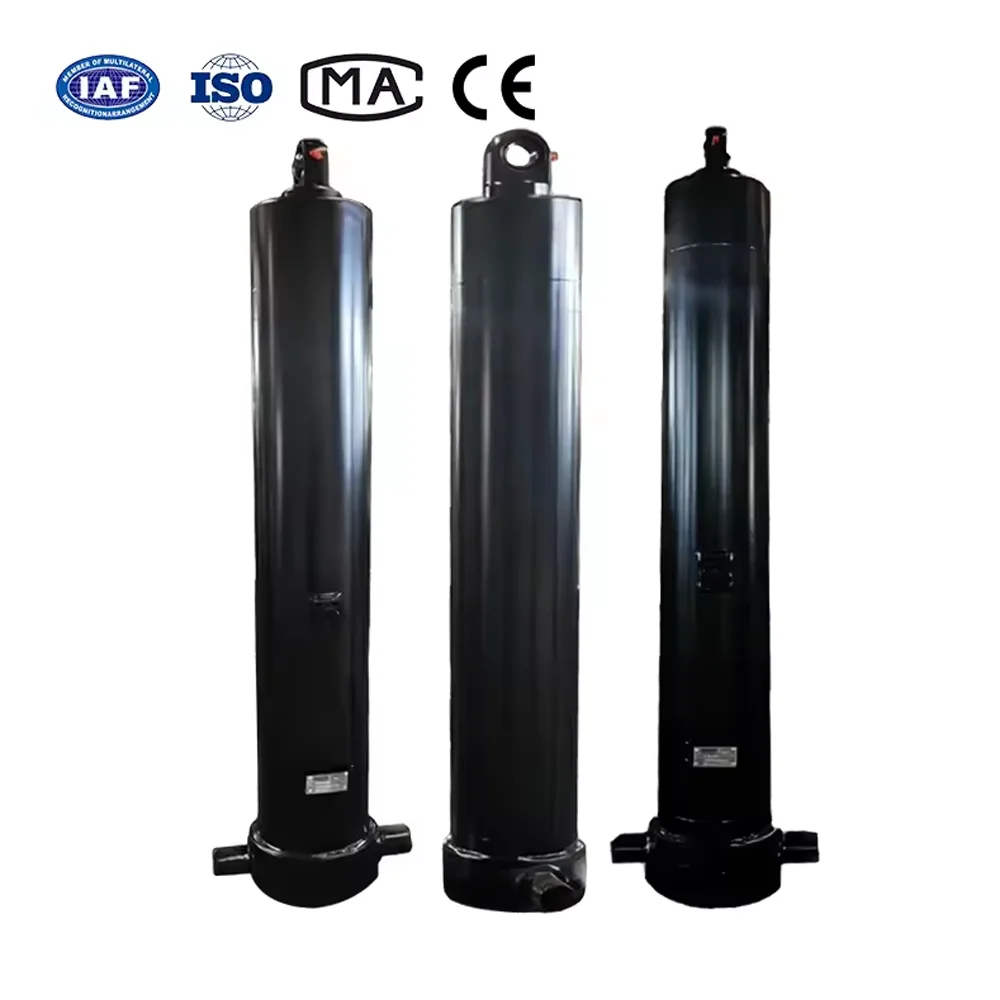
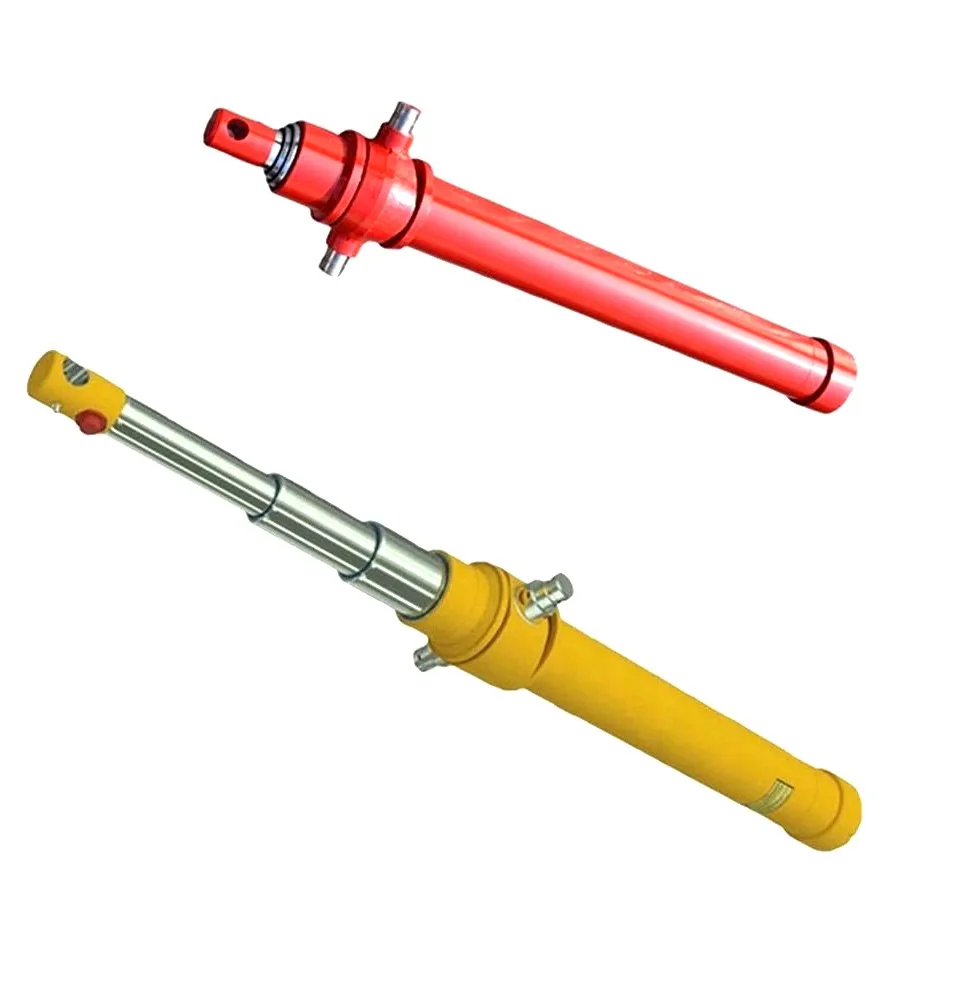
Telescopic hydraulic cylinders are made up of multiple nested cylinder barrels. This design lets them achieve long-stroke movement, while still staying compact when retracted to save installation space. Their key benefit is an adjustable stroke. You’ll find them widely used in equipment that needs long-stroke lifting or telescoping—such as dump trucks, trailers, and aerial work platforms. They make the most of the moving distance even in confined spaces, broadening the working range of the equipment.
Many buyers make wrong choices when buying hydraulic cylinders, which leads to poor matching and frequent equipment breakdowns.There are three main common mistakes: first, ignoring working pressure and load capacity, blindly pursuing low prices by choosing hydraulic cylinders with substandard pressure, which easily causes cylinder damage and leakage in the later stage; second, incorrect selection of installation methods, failing to choose appropriate types based on the equipment’s installation space and motion direction, resulting in abnormal operation of hydraulic cylinders; third, ignoring the quality and material of seals, which are the core for preventing leakage in hydraulic cylinders. Poor-quality seals cause hydraulic oil leakage, affecting equipment operation efficiency and even damaging the cylinder body.
In summary, hydraulic cylinder selection should focus on the three cores of "parameter matching, type adaptation and scenario fitting", comprehensively judging based on factors such as the equipment’s working pressure, load weight, motion requirements and installation space to avoid procurement mistakes. For conventional equipment, standard model hydraulic cylinders can be selected to balance cost performance and practicality; for special equipment (such as non-standard equipment and heavy-duty customized equipment), customized hydraulic cylinders are required. Professional hydraulic cylinder manufacturers can provide one-stop customized services from design and production to testing according to equipment parameters and working scenarios, ensuring the stability and durability of hydraulic cylinders to fully adapt to the equipment’s operating needs, while providing purchasers with later maintenance guidance to reduce usage costs.