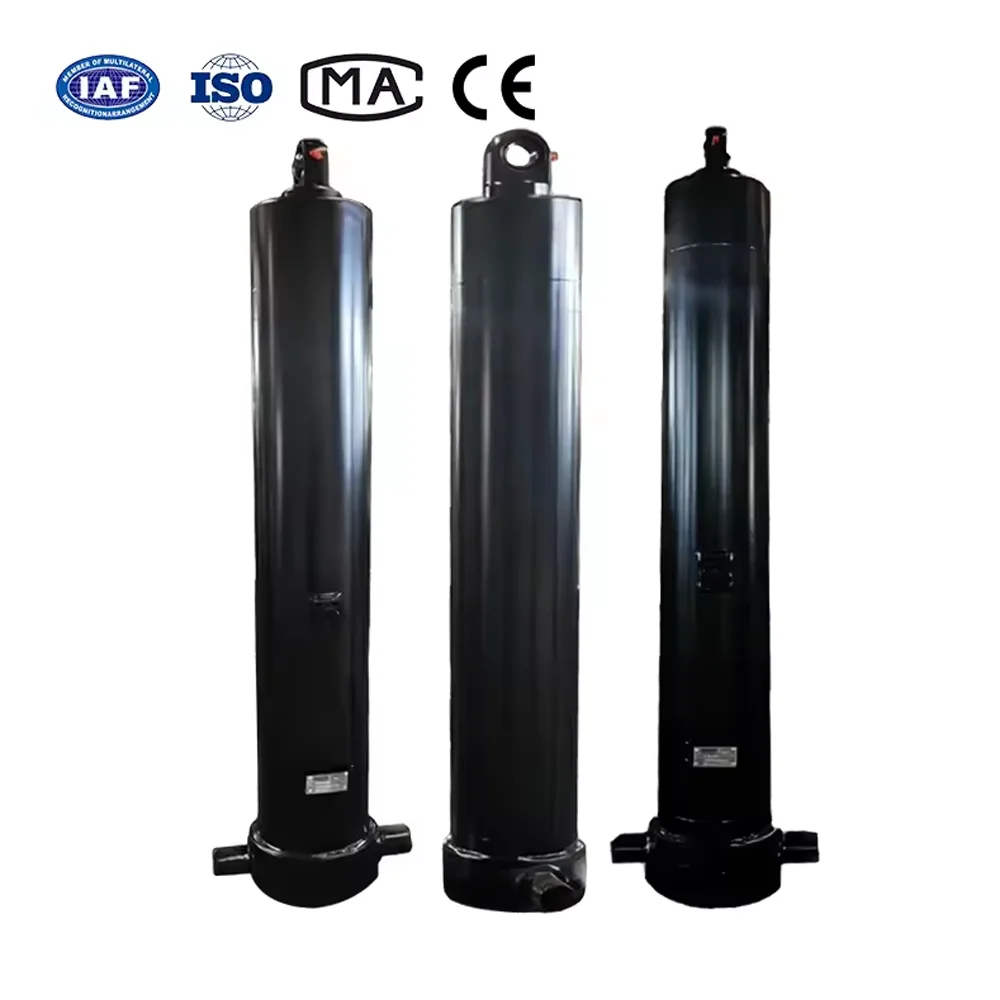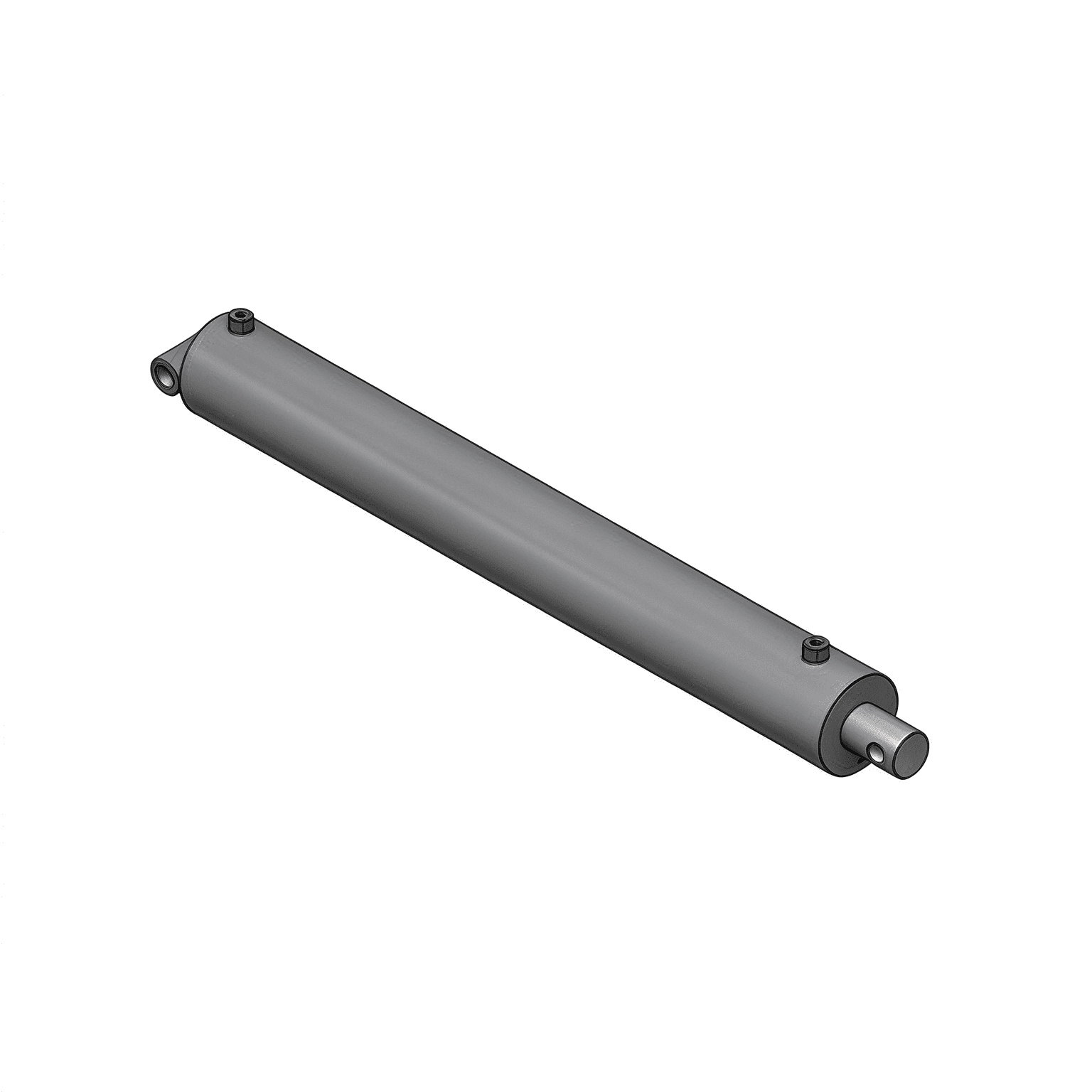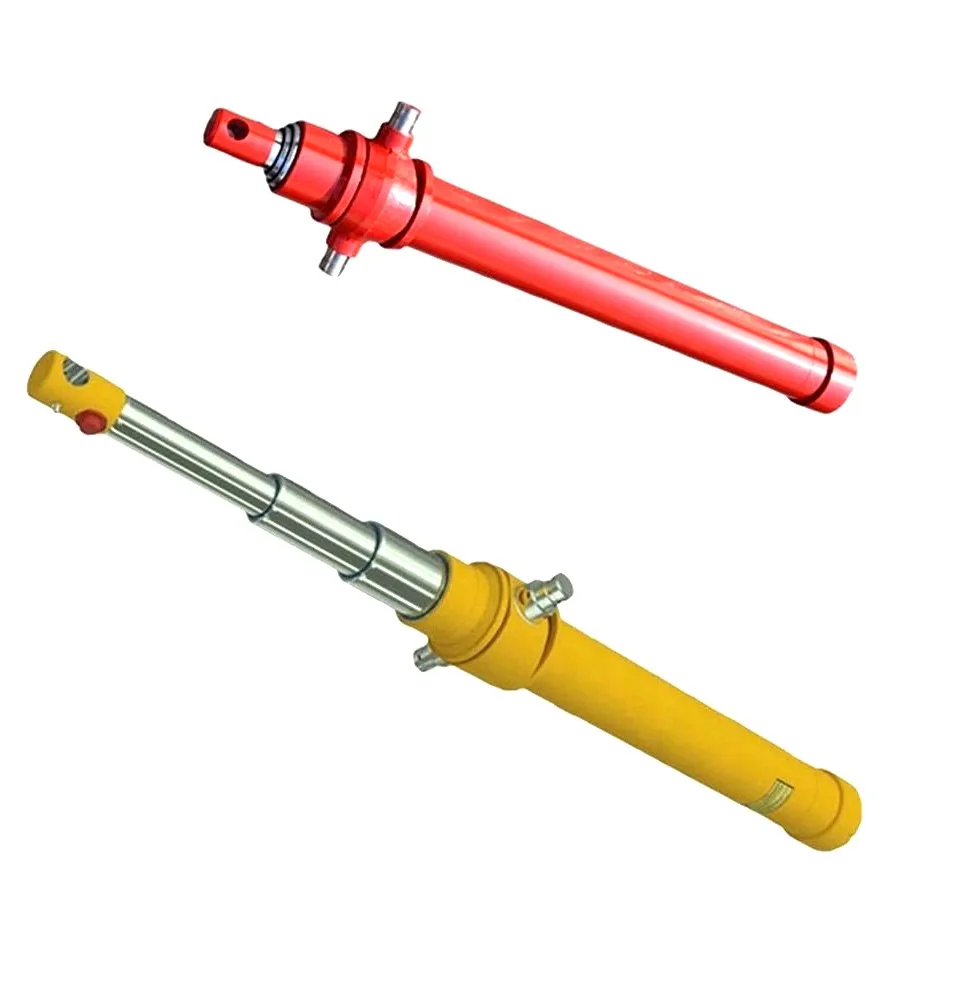
HCIC a specialized global manufacturer of engineered hydraulic cylinders and commercial vehicle power units, has officially released its new Extreme Cold-Weather Hydraulic Cylinder Series, purpose-built for continuous operation in temperatures down to -40°C (-40°F).
Engineered specifically for North American and Northern European municipal fleets, snowplow manufacturers, winter refuse haulers, and sub-zero forestry equipment, the new cylinder line solves the chronic winter failure modes that plague standard hydraulic actuators: brittle seal shattering, morning startup fluid bypass, rod ice pack damage, and cold-induced steel fractures.
[ HCIC Arctic -40°C Engineering Architecture ]
+-----------------------------------------------------------------------+
| 1. High-Impact Low-Temp Alloy Steel Tubing (Charpy V-Notch Tested) |
| 2. Arctic-Grade HNBR & Bronze-Filled PTFE Low-Temperature Seal Package|
| 3. Heavy-Duty Ice-Shearing Dual-Lip Wiper Gland Architecture |
| 4. -45°C Environmental Cold-Chamber 1.5x Pressure Proof Testing |
+-----------------------------------------------------------------------+
Standard polyurethane and standard NBR seals become rigid, glassy, and brittle when ambient temperatures drop below -20°C (-4°F). Under cold startup pressure, brittle seal lips crack or lose radial tension against the rod, resulting in immediate oil dumping.
HCIC’s Arctic Series integrates specialized low-temperature Hydrogenated Nitrile Butadiene Rubber (HNBR) elastomeric energizers paired with bronze-impregnated PTFE stepped buffer rings. This proprietary material compound maintains elastomeric elasticity and positive sealing tension down to -40°C, providing instantaneous leak-free sealing during sub-zero cold starts.
During severe blizzards, road spray and freezing rain accumulate on exposed piston rods, forming a hardened armor of ice. When an operator retracts a standard hydraulic cylinder, this ice sheet crushes soft rubber wipers, forcing ice chunks directly into the primary seal cavity.
HCIC cylinders feature a reinforced metallic-cased brass or hard-polyurethane ice scraper combined with a secondary elastomeric wiping lip. The sharp scraper edge shears solid ice, packed road slush, and frozen salt crust off the chrome rod before it reaches the internal sealing package.
Carbon steels experience a dramatic shift from ductile to brittle behavior at low temperatures. Under heavy mechanical shock—such as a snowplow blade striking a frozen curb or a dump trailer body dropping on frozen ground—standard tubing can crack catastrophically.
All HCIC Arctic Series cylinder barrels and mounting clevises are manufactured from certified St52-3 / 27SiMn / 4140 alloy steels subjected to normalized heat treatment and certified Charpy V-notch impact toughness testing at -40°C. This ensures high fracture resistance and elastic energy absorption under severe dynamic shock loads.
To withstand continuous exposure to highway de-icing brines (calcium chloride and rock salt), HCIC Arctic Series piston rods are available with induction-hardened hard chrome plating or QPQ liquid nitriding, delivering over 500 to 1,000 hours of ASTM B117 salt spray protection without pitting or flaking.
Verified in HCIC’s Internal -45°C Environmental Testing Facility
To ensure zero field failures during harsh winter operations, every new Arctic cylinder design undergoes rigorous environmental validation inside HCIC’s dedicated **-45°C climate testing chamber:
- Soak Testing: Actuators are cold-soaked at -45°C for 24 continuous hours until internal component temperatures fully stabilize.
- Dynamic Cycle Validation: Cylinders undergo full extension and retraction cycles under simulated load with ultra-low viscosity Arctic fluids.
- 1.5x Pressure Proof Hold: Cylinders must hold 1.5 times nominal working pressure without measurable pressure drop or external weeping.
The new Arctic Series is available immediately for custom OEM engineering integration and direct fleet replacement across North America:
Hydraulic cylinders engineered for extreme low-temperature service rely on fluid power circuit compatibility. Always follow recommended machine warm-up procedures and verify that pump suction lines and system filtration media are rated for high-viscosity cold startup flow.
To discuss custom extreme cold-weather cylinder requirements or request CAD fitment drawings: