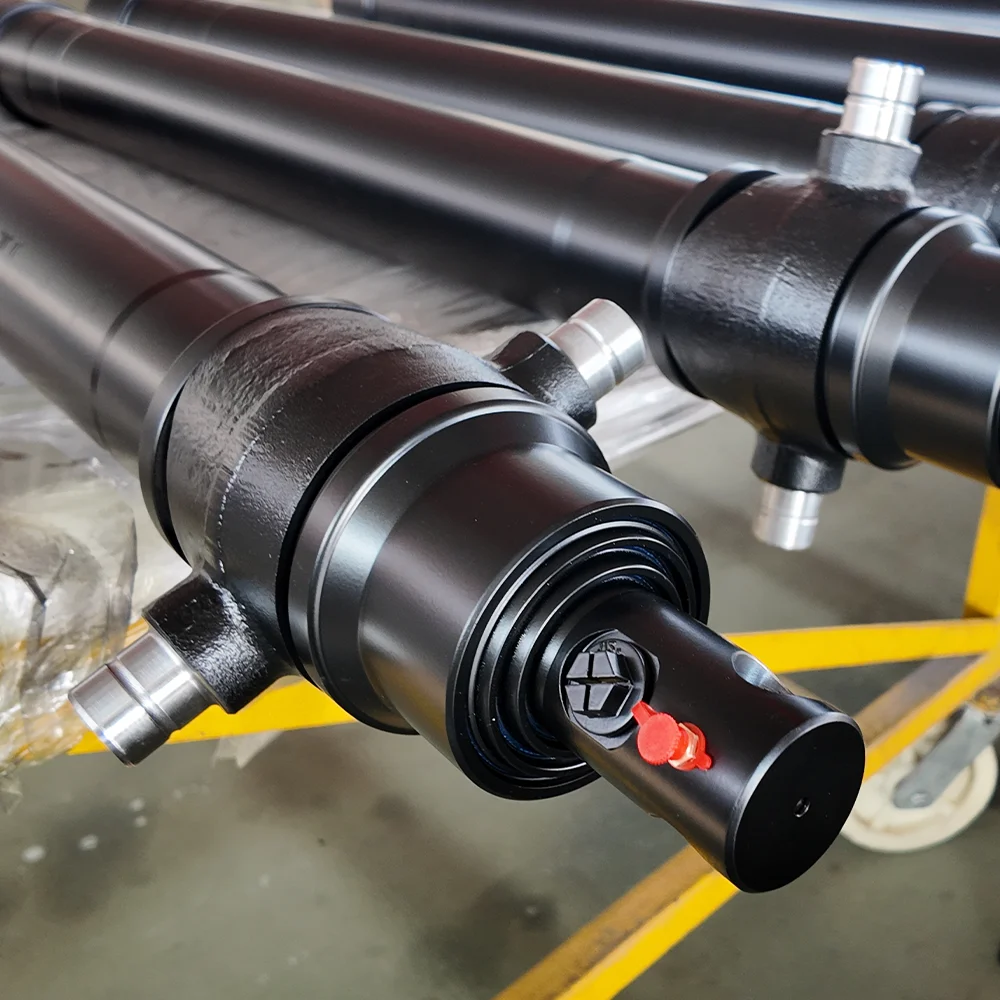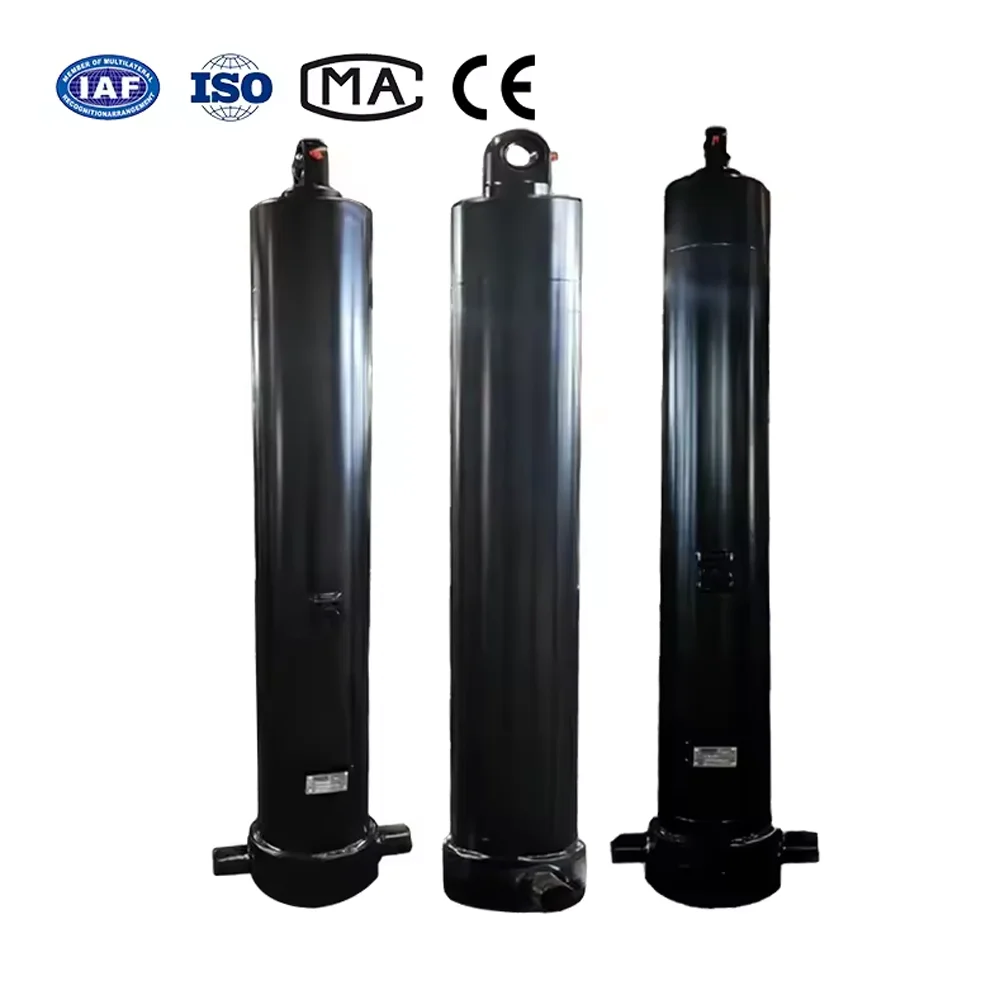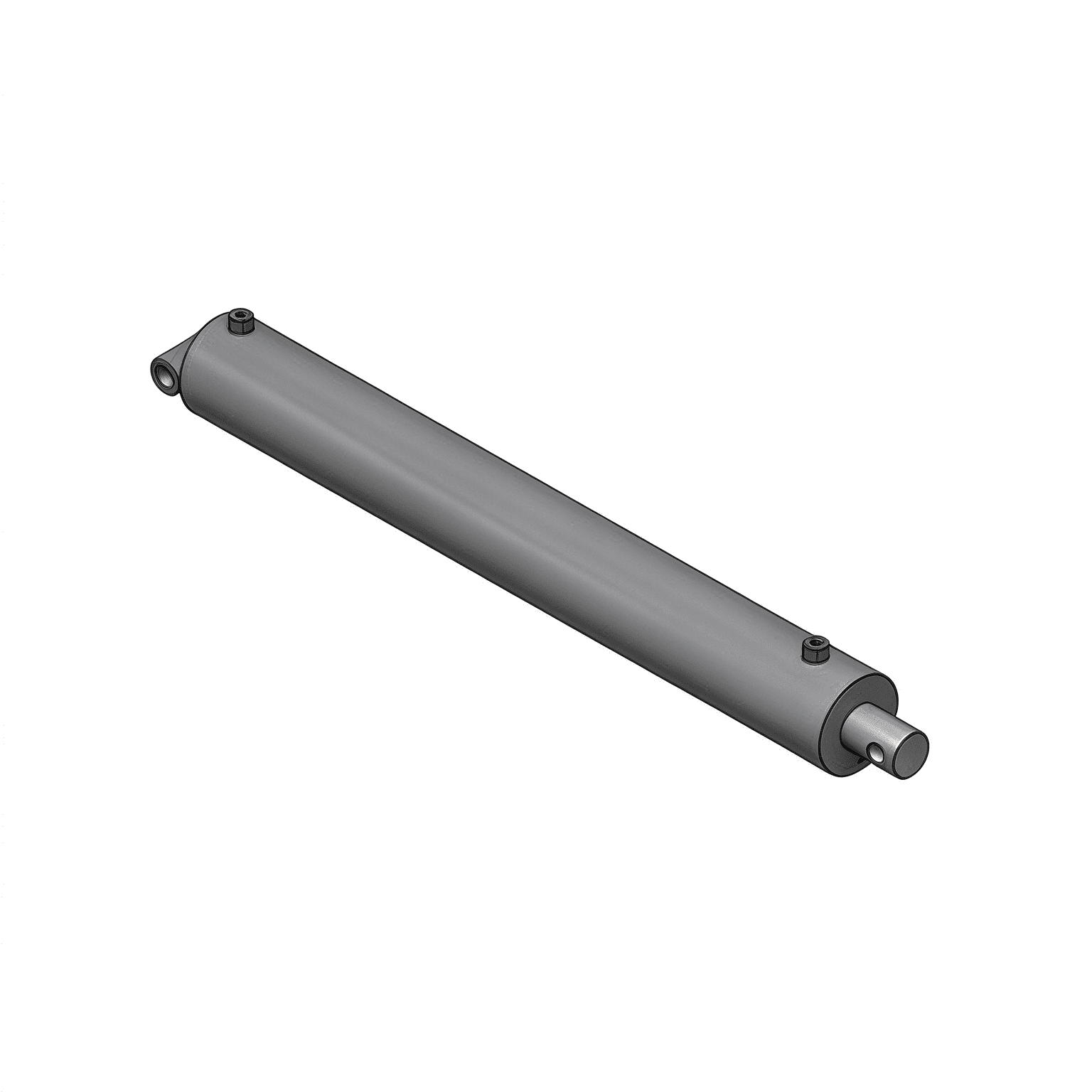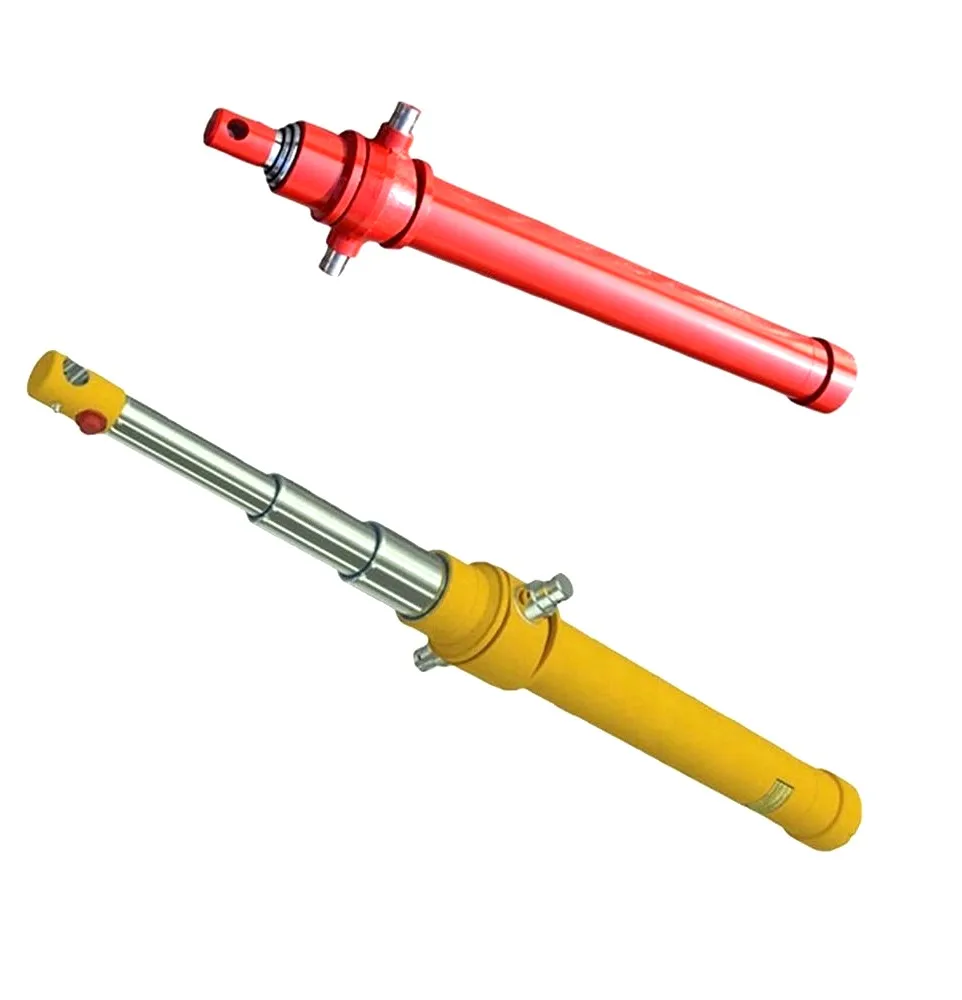
While switching to fire-resistant fluids eliminates catastrophic shop and mine fires, it has triggered an unexpected wave of premature hydraulic cylinder failures in the field. Fleet maintenance supervisors and OEM machine builders report that standard cylinders—operating flawlessly on mineral oil—experience complete rod seal blowout, sticky cylinder operation, and internal piston bypass in as few as 250 to 500 operating hours after fluid changeover.
| Fluid Classification | Chemical Base & Composition | Operating Temperature & Safety |
|---|---|---|
| ISO HFA / HFB | High-water content emulsions (5% to 40% oil in water) | Max 55°C; extreme fire resistance but poor lubricity at high psi |
| ISO HFC (Most Common) | Water-Glycol solution (35% to 45% water in polymer) | Max 60°C; non-flammable; prone to hydrolytic attack on urethanes |
| ISO HFDU (High Performance) | Synthetic Polyol Esters (Anhydrous / water-free) | Up to 120°C; biodegradable with excellent lubricity; attacks NBR |
| ISO HFD-R (Extreme Aviation) | Phosphate Esters (Synthetic phosphorus base) | Max 150°C; severe chemical attack on all standard industrial seals |
When a standard mobile or industrial hydraulic cylinder fails on fire-resistant fluids, teardown autopsies reveal two distinct chemical degradation pathways:
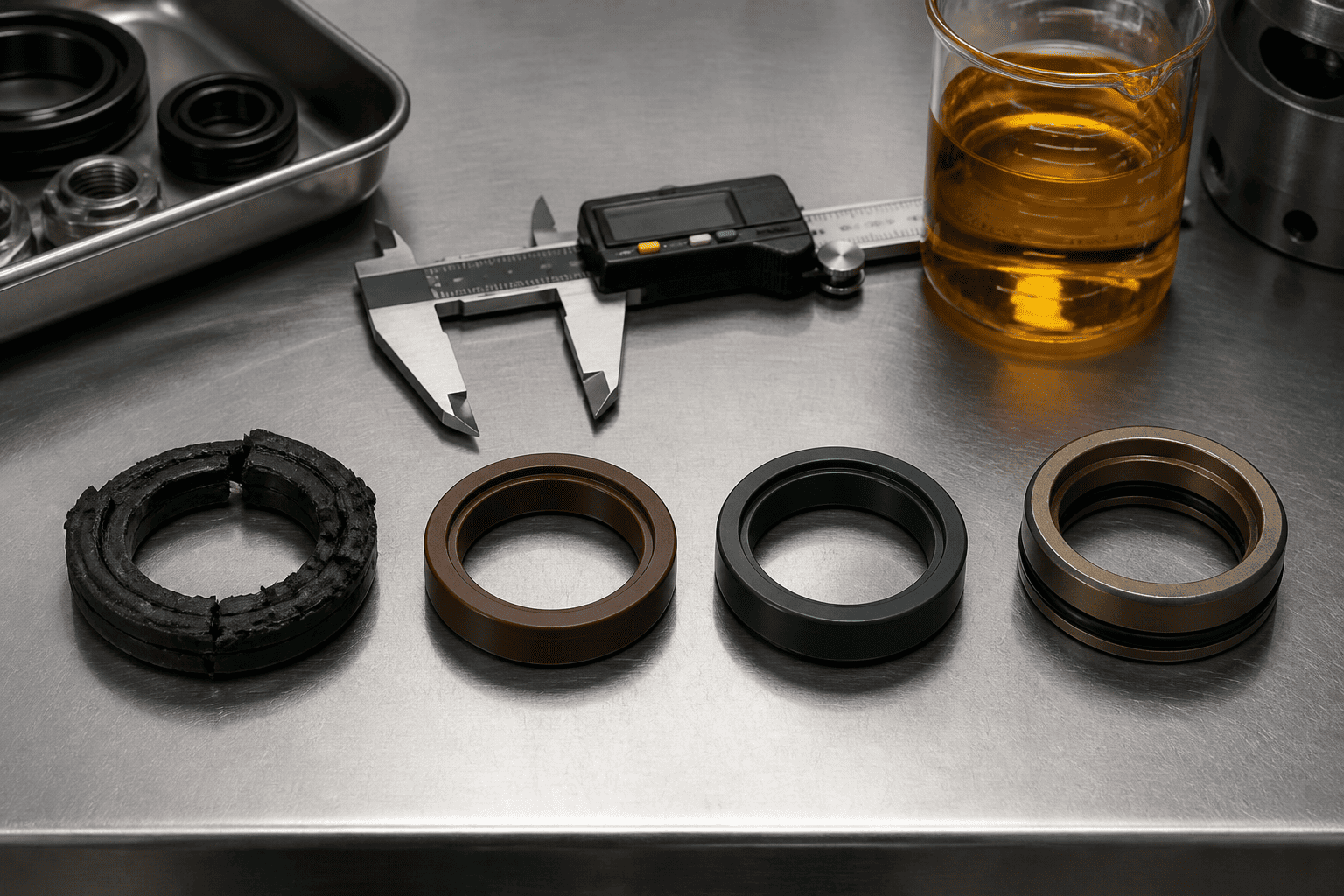
Standard mobile cylinders rely heavily on thermoplastic polyurethane (TPU) U-cup rod seals due to their superior abrasion resistance against road grit. However, when exposed to water-glycol fluids above 50°C, the water molecules break the molecular ester/ether chains within the polyurethane polymer. Within weeks, the tough seal material loses its tensile elasticity, turning into a soft, crumbly paste that washes past the gland under pressure.
When operators switch to synthetic polyol esters (HFDU) without repacking their cylinders, standard nitrile (NBR) piston and static tube seals undergo aggressive plasticizer extraction. The fluid strips the softening agents out of the rubber, causing the seal to swell by more than 18% in volume. The swollen seal jams tightly in the gland groove, causing extreme friction, rod judder, and eventual jagged shear tears along the sealing lip.
To achieve 10,000+ hour operating life under ISO 12922 fire-resistant fluids, HCIC engineering specifies three advanced elastomeric and thermoplastic seal configurations:
| Seal Material Grade | ISO VG 46 Mineral | ISO HFC (Water-Gly) | ISO HFDU (Polyol Ester) |
|---|---|---|---|
| Standard TPU (U-Cup) | Excellent (10,000h) | RAPID FAILURE (300h) | Poor / Swelling (800h) |
| Standard NBR Nitrile | Excellent (8,000h) | Moderate (2,000h) | RAPID HARDENING (500h) |
| Special HNBR | Excellent (12,000h) | Good (6,000h) | Excellent (10,000h) |
| Fluoroelastomer (FKM) | Excellent (10,000h) | Marginal / Temp-Dep | SUPERIOR (12,000h+) |
| Bronze-Filled PTFE | Excellent (15,000h) | SUPERIOR (15,000h) | SUPERIOR (15,000h) |
For synthetic ester circuits running hot (up to 110°C), genuine FKM fluorocarbon elastomers provide total chemical inertness. Unlike standard commercial Viton-A, HCIC utilizes peroxide-cured Viton-B or Viton-GF formulations that resist acidic degradation byproducts as esters age.
HNBR bridges the gap for water-glycol systems. By hydrogenating the polymer backbone, HNBR eliminates double-bond vulnerabilities, resisting water degradation while retaining the mechanical toughness required for high-cycle mobile refuse and tunneling cylinders.
Because water-glycols provide lower boundary lubrication film thickness than mineral oils, elastomeric seal lips experience higher dry friction against chrome-plated rods. Replacing standard U-cups with bronze-filled or carbon-filled PTFE step-seals backed by FKM O-ring energizers reduces breakout friction by 65%, eliminating cylinder stick-slip.
Before converting an existing machinery fleet or specifying new hydraulic cylinders for fire-resistant fluid environments, verify these four engineering checkpoints:
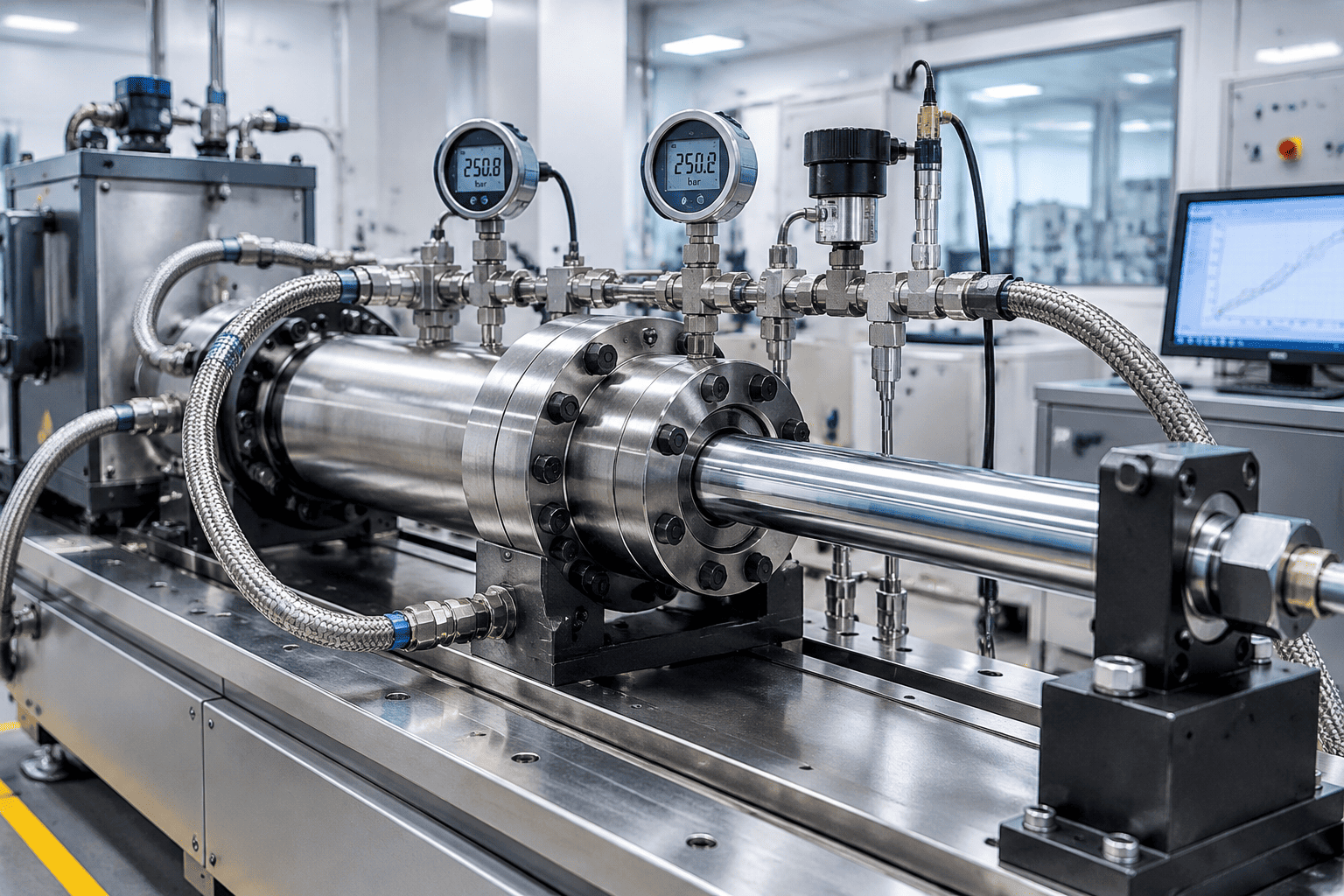
The fluid classifications and material compatibility guidelines cited above comply with ISO 12922 and ISO 6072 standards. Because proprietary fluid additives differ across oil manufacturers, always perform a 72-hour elastomeric swell and tensile immersion test before mass fleet conversions.
Upgrading steel mill machinery, underground mining equipment, or foundry presses to ISO 12922 fire-resistant standards?
Contact HCIC’s specialized engineering team with your fluid type (HFC, HFDU, or HFD-R), working pressure, and ambient operating temperatures. We provide 3D CAD step files within 24 hours, custom FKM/HNBR seal packages, and complete factory-tested replacement cylinders engineered for zero-downtime fire safety compliance.