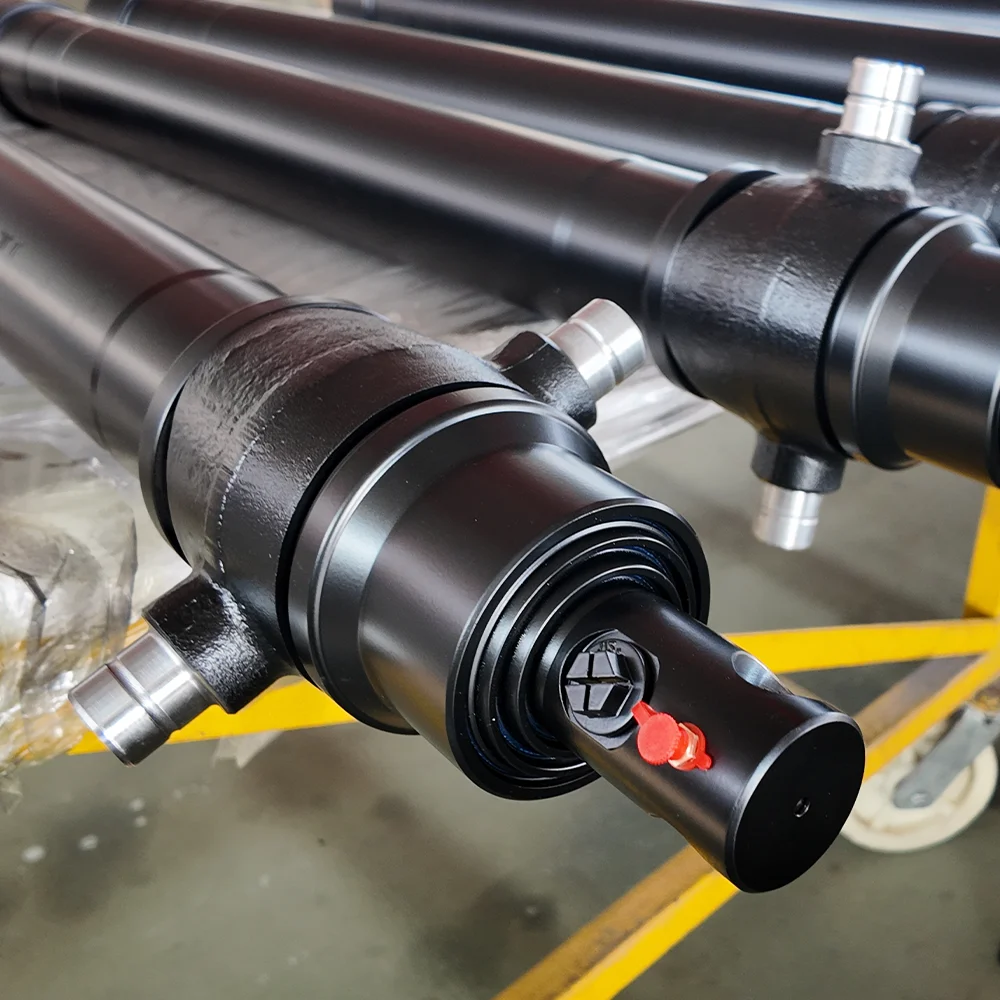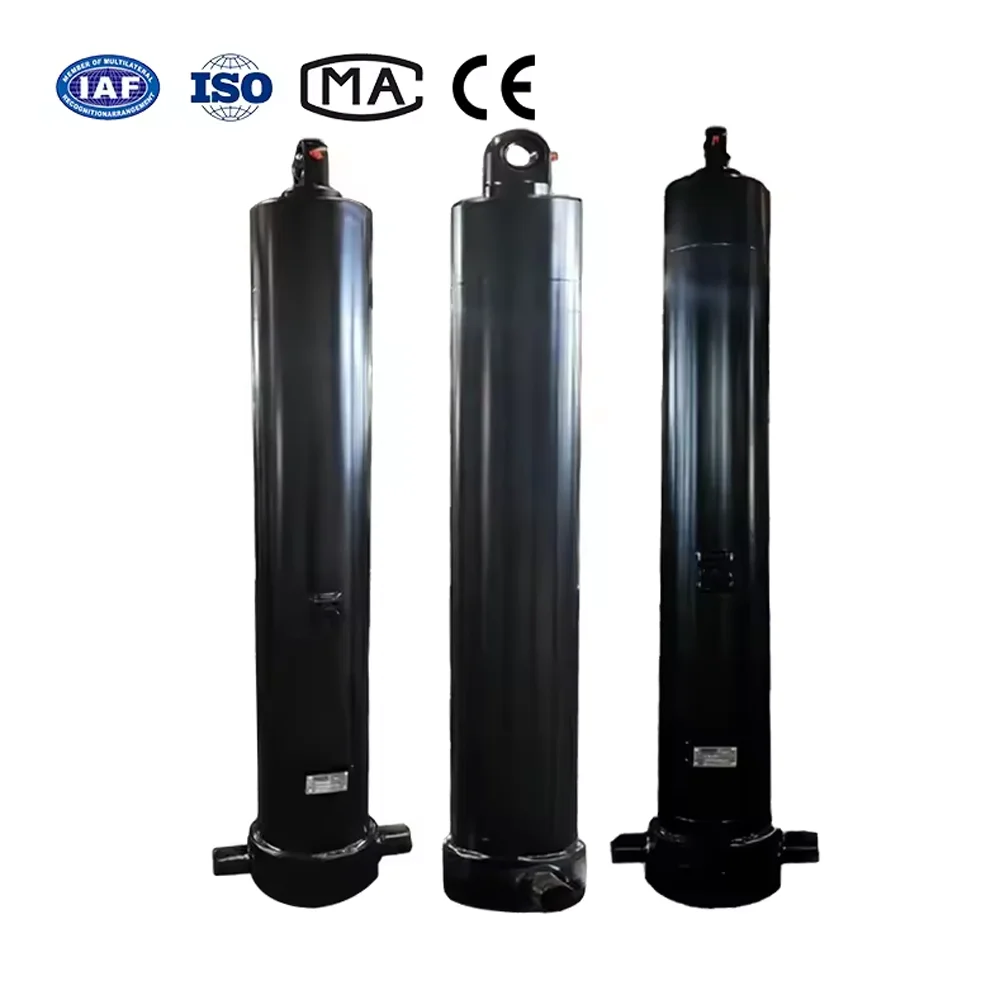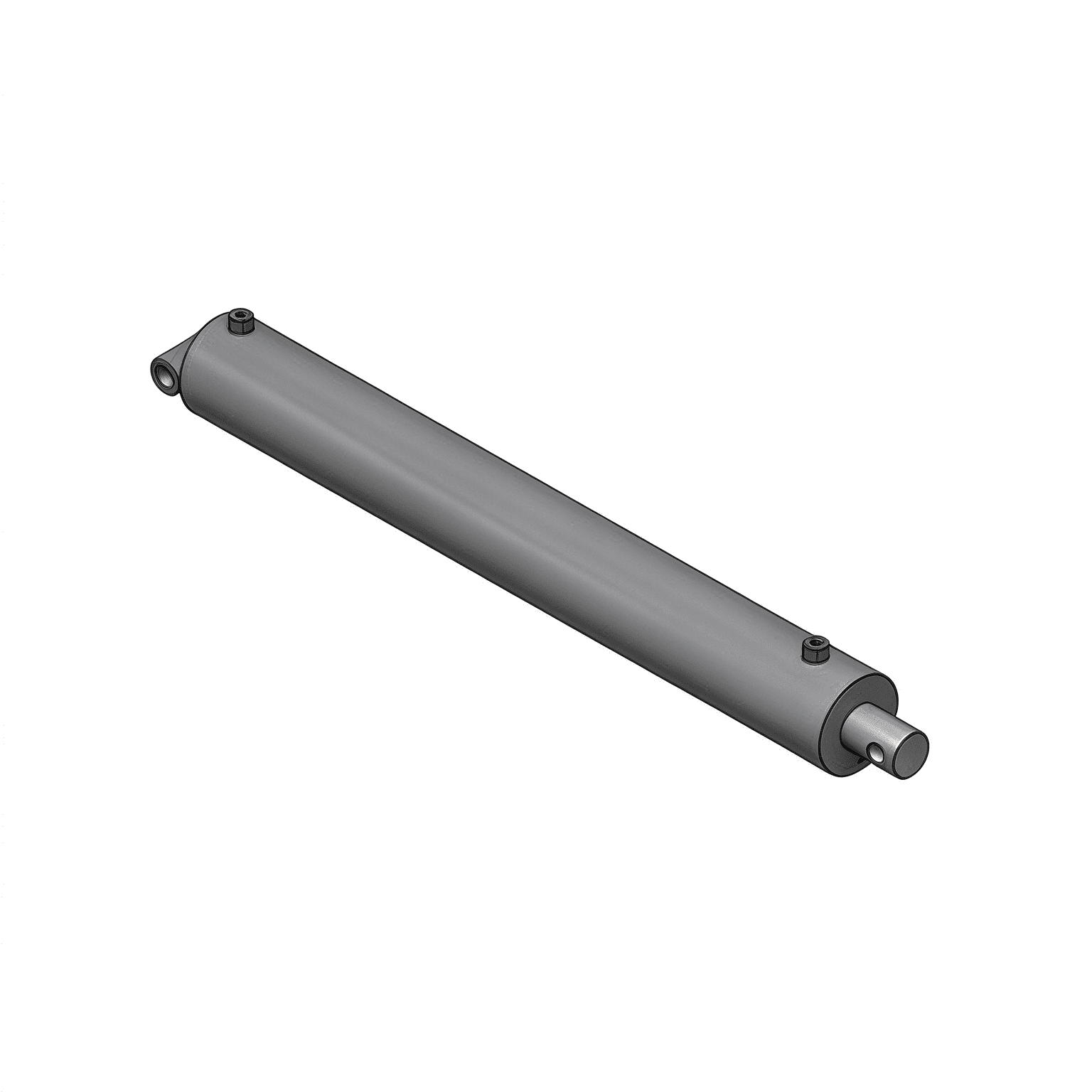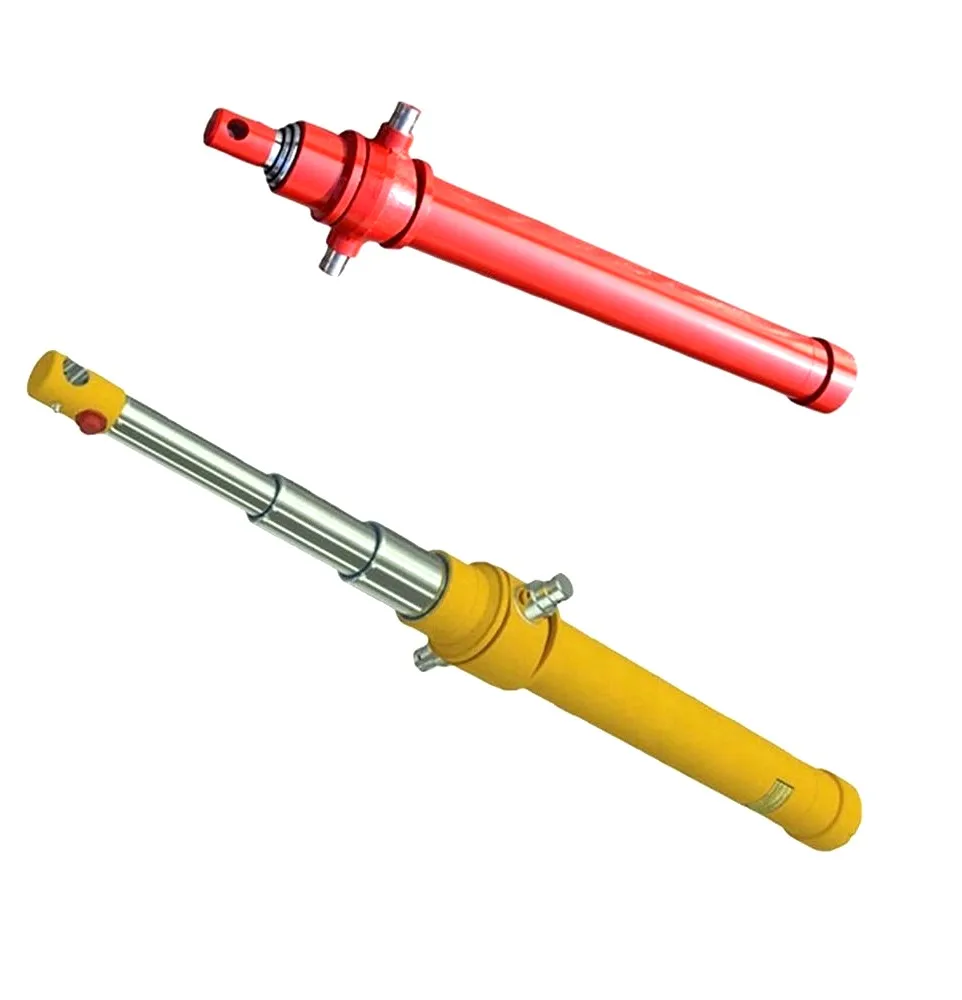
When hydraulic cylinders fail, field technicians instinctively look inside the barrel—checking piston seals, rod chrome, and wiper rings. Yet, in severe-duty mobile machinery like excavators, mining shovels, refuse packers, and articulating wheel loaders, up to 40% of unscheduled cylinder replacements are caused by catastrophic mechanical failure at the mounting pivot points: the rod eye, base clevis, or trunnion pin bores.
A frozen, galled, or ovalized pivot pin locks up articulation joints, induces severe lateral bending moments across the piston rod, and accelerates head gland leakage. This engineering guide details the root mechanics of pin eye wear, forensic diagnostics for distinguishing galling from fretting corrosion, and metallurgical benchmarks for selecting heavy-duty bushings and hardened alloy pins.
| Failure Mode | Physical Root Cause | Visual / Audible Signature |
|---|---|---|
| Adhesive Galling | Metal-to-metal micro-welding from boundary lubrication loss under extreme contact pressure | Deep longitudinal gouges on pin; high-pitched screeching during articulation; seized pin |
| Fretting Corrosion | Micro-oscillations (<100 um) breaking protective oxide film under heavy vibration | Fine reddish-brown (cocoa) powder or black sludge weeping from pin eye; pitted contact flats |
| Bore Ovalization (Eye Elongation) | Peak pulsating shock loads exceeding parent steel yield strength over millions cycles | Eye bore diameter stretches out of round by >0.5 mm; excessive mechanical clunking on reversals |
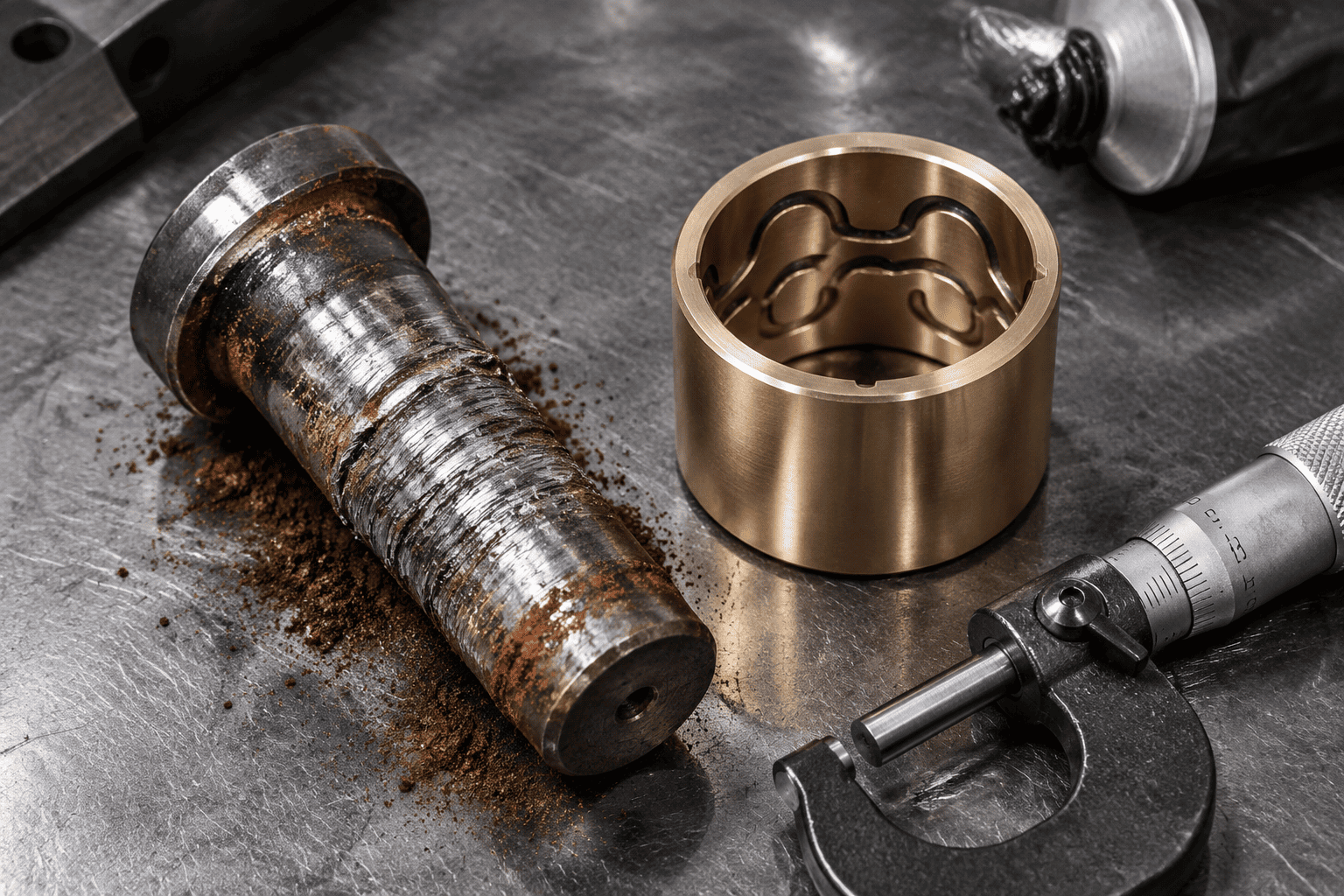
When an excavator bucket hydraulic cylinder breaks through dense clay or rock, contact pressures across the pin and bushing easily exceed 80 to 100 MPa (11,600 to 14,500 psi). If the lubrication grease film breaks down, the microscopic surface asperities of the steel pin and steel rod eye touch directly. Friction instantaneously generates localized heat exceeding 800°C, causing micro-welds to form and tear away chunks of parent metal. Within hours, the pin seizes solid inside the clevis.
In high-frequency vibrating equipment like road headers and hydraulic hammers, the pivot pin undergoes tiny angular micro-motions (less than 50 microns) under continuous load. This micro-rubbing wipes away grease, pulverizing microscopic steel particles. As these freshly sheared steel particles oxidize in air, they form hard iron oxide (Fe₂O₃), creating an abrasive red polishing rouge that grinds the pin eye oversize.
In single-piece forged rod eyes and welded base plates, continuous directional hammering causes the round pin bore to permanently yield into an elongated ellipse. Once clearance exceeds 0.8 mm (0.030"), dynamic shock loads amplify exponentially, eventually initiating hoop fatigue cracks at the 3 o'clock and 9 o'clock stress concentration corners of the eye.
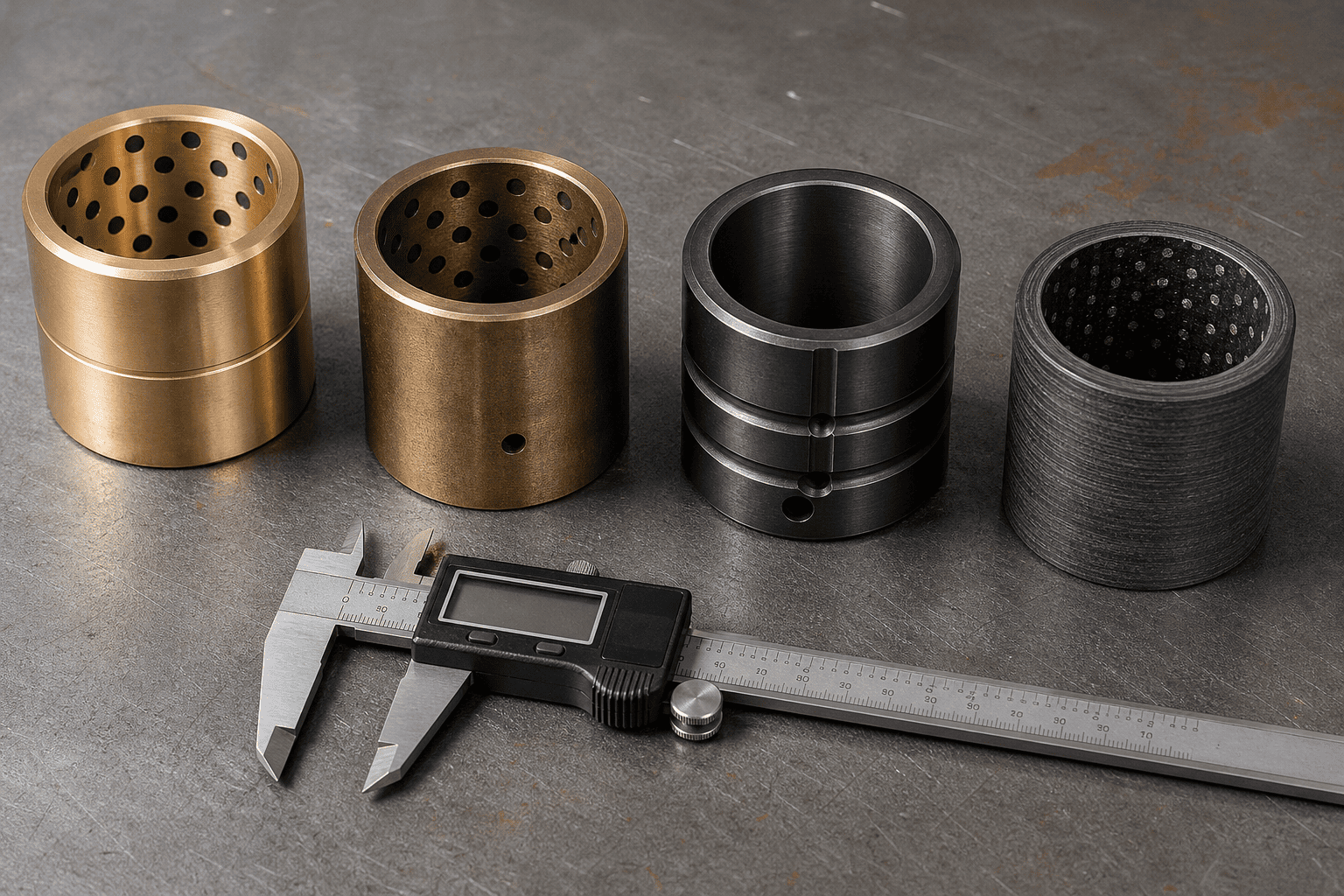
Choosing the correct bushing architecture is the difference between 1,000 hours and 10,000 hours of trouble-free pivot life:
| Bushing Material Grade | Max Dynamic Load | Lubrication Need | Best Operating Scene |
|---|---|---|---|
| High-Lead Bronze (SAE 660 / C93200) | 35 – 45 MPa (Moderate) | Daily Greasing Required | Light industrial & general agricultural |
| Manganese Bronze (C86300 High-Tensile) | 70 – 90 MPa (Heavy-Duty) | Periodic Greasing Required | Severe earthmoving & mining bucket linkage |
| Case-Hardened Steel (8620 Carburized 60HRC) | 120 – 150 MPa (Extreme Shock) | Greasing + High Pressure Moly | Refuse packers, shear jaws, heavy crushers |
| PTFE Fiber-Wound Composite (Duralon) | 100 – 140 MPa (Zero Greasing) | 100% GREASE-FREE Self-Lubricating | Subsea, food-grade, & inaccessible pivots |
Never install an unhardened commercial 1045 carbon steel pin in a heavy cylinder clevis. Standard 1045 has a surface hardness of only 18 to 22 HRC; it will deform and gall within weeks against a manganese bronze or hardened steel bushing.
Base Core Material: 4140 Chrome-Molybdenum or 8620 Nickel-Chromium Alloy Steel, quenched and tempered for core toughness (28–32 HRC) to absorb extreme bending shocks without snapping.
Surface Case Hardening: Induction-hardened or deep case-carburized to 58 to 62 HRC to a minimum depth of 1.5 mm (0.060").
Surface Finish: Precision ground and polished to Ra ≤ 0.2 μm (8 micro-inches). . In corrosive marine, de-icing road salt, or chemical fertilizer environments, specify a 25-micron hard chrome plating or QPQ liquid nitriding topcoat over the hardened case.
Experiencing persistent pin galling, clunking pivot joints, or clevis ear cracking across your equipment fleet?
Contact HCIC’s specialized engineering group. We manufacture heavy-duty custom cylinders equipped with manganese bronze, case-hardened alloy, or self-lubricating composite bushings, paired with certified 58–62 HRC induction-hardened pins engineered for zero-downtime reliability.