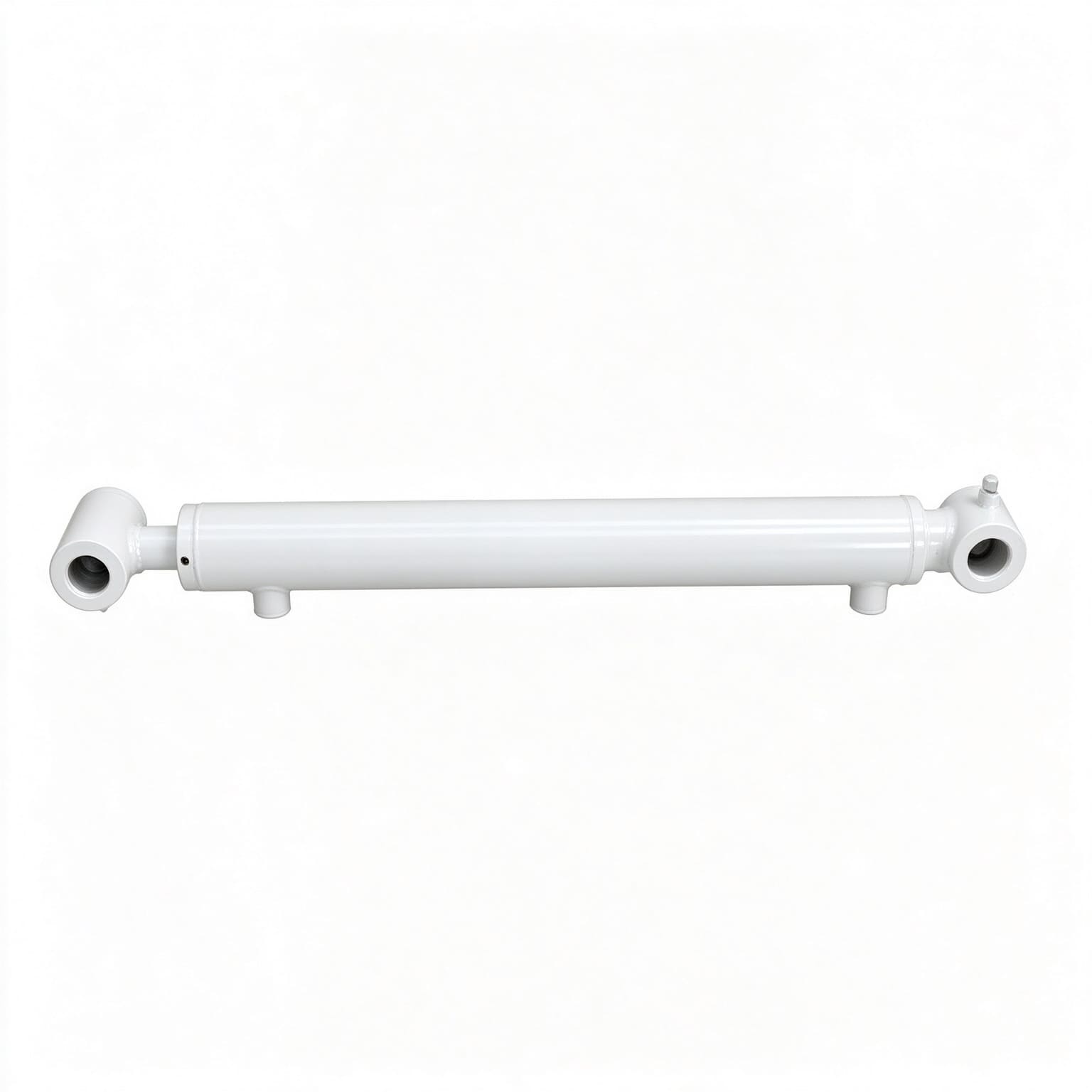
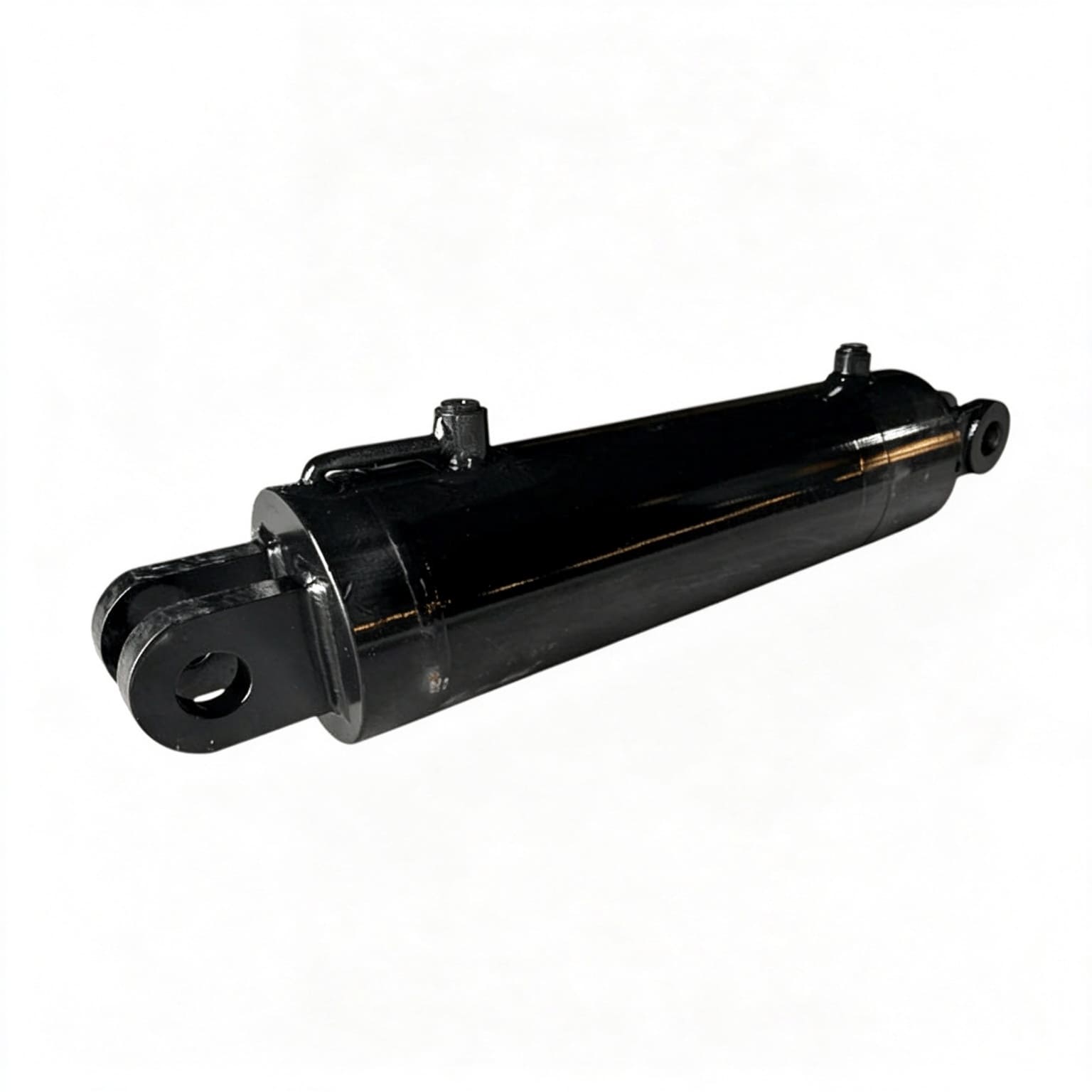
The transition from diesel-powered internal combustion engines (ICE) to high-voltage battery-electric powertrains in compact and medium excavators (1.5 to 20 metric tons) is reshaping mobile hydraulic architectures.
While electric machines eliminate diesel exhaust emissions and engine noise, they create a previously unanticipated fluid power challenge: severe hydraulic thermal soak within enclosed machine compartments
| Traditional Diesel Excavator | Battery-Electric Excavator |
|---|---|
| Engine Crankshaft → Mechanical Fan | Electric Inverter → High-Efficiency Motor |
| Constant 2,000+ CFM Forced Airflow | No Engine Fan (Zero Parasitic Airflow) |
| Pulls Ambient Air Across Oil Cooler | Stagnant Heat Trapped in Battery Box |
| Maintains Fluid at 55°C – 70°C | Hydraulic Peak Fluid Spikes Exceed 95°C |
In traditional diesel excavators, the engine cooling fan continuously pulls thousands of cubic feet per minute (CFM) of ambient air across the combined engine radiator and hydraulic oil cooler matrix.
In battery-electric machinery, electric drive motors run on demand without a continuous mechanical fan. As a result, the hydraulic oil reservoir, main control valve (MCV), and boom cylinder circuits operate in semi-sealed, stagnant enclosures where heat rejected from electric inverters (IGBTs), lithium iron phosphate (LFP) battery packs, and hydraulic throttling cannot naturally dissipate.
Analyzing current electric construction machinery hydraulic system trends reveals that mobile OEMs must now treat hydraulic fluid cooling as an active, isolated thermal management system rather than a byproduct of engine cooling.
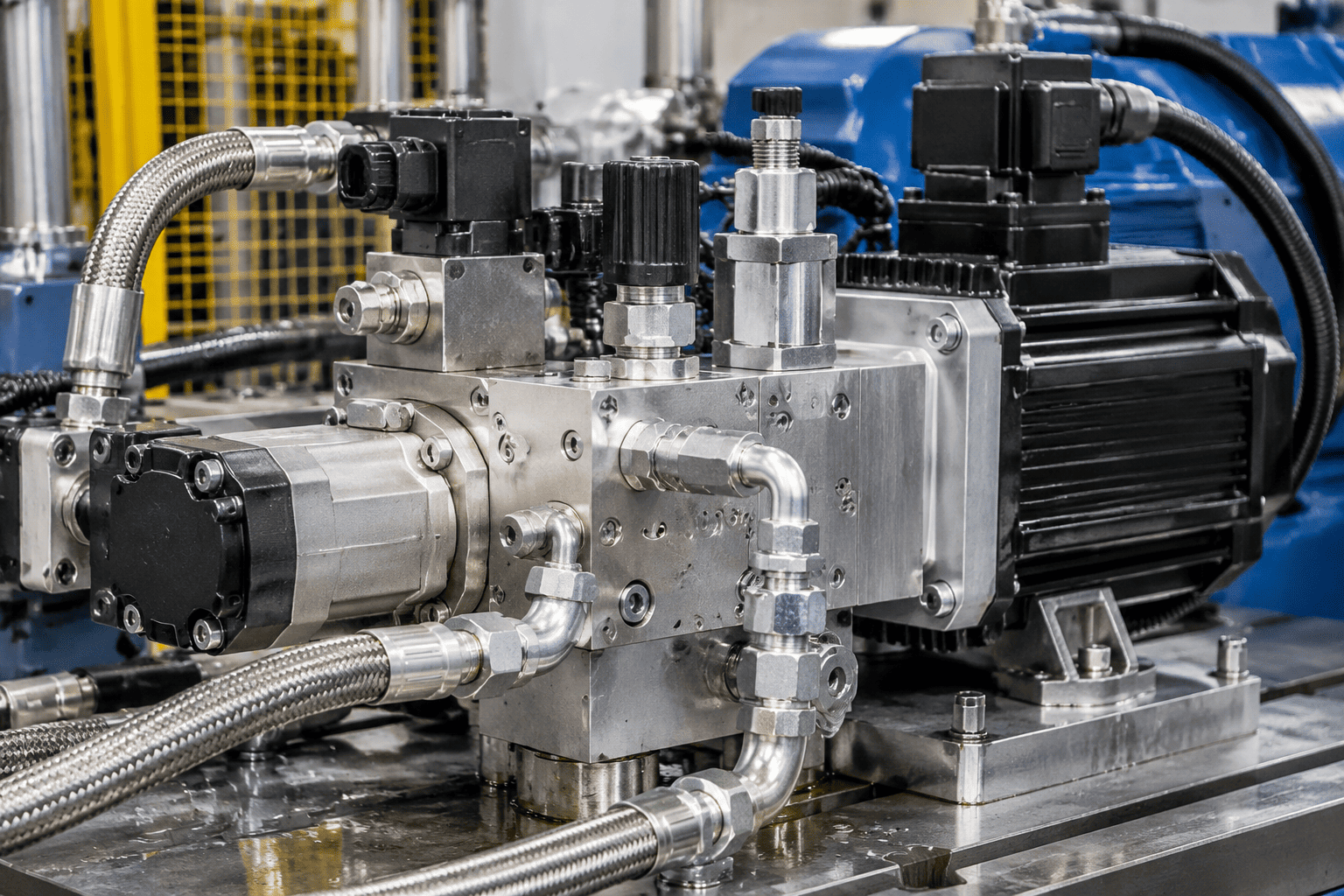
To maximize battery operating hours on an 8-hour construction shift, electrified machines are moving away from traditional open-center fixed-displacement hydraulic circuits toward decentralized Electro-Hydraulic Actuators (EHA) and variable-speed electric-driven displacement pumps:
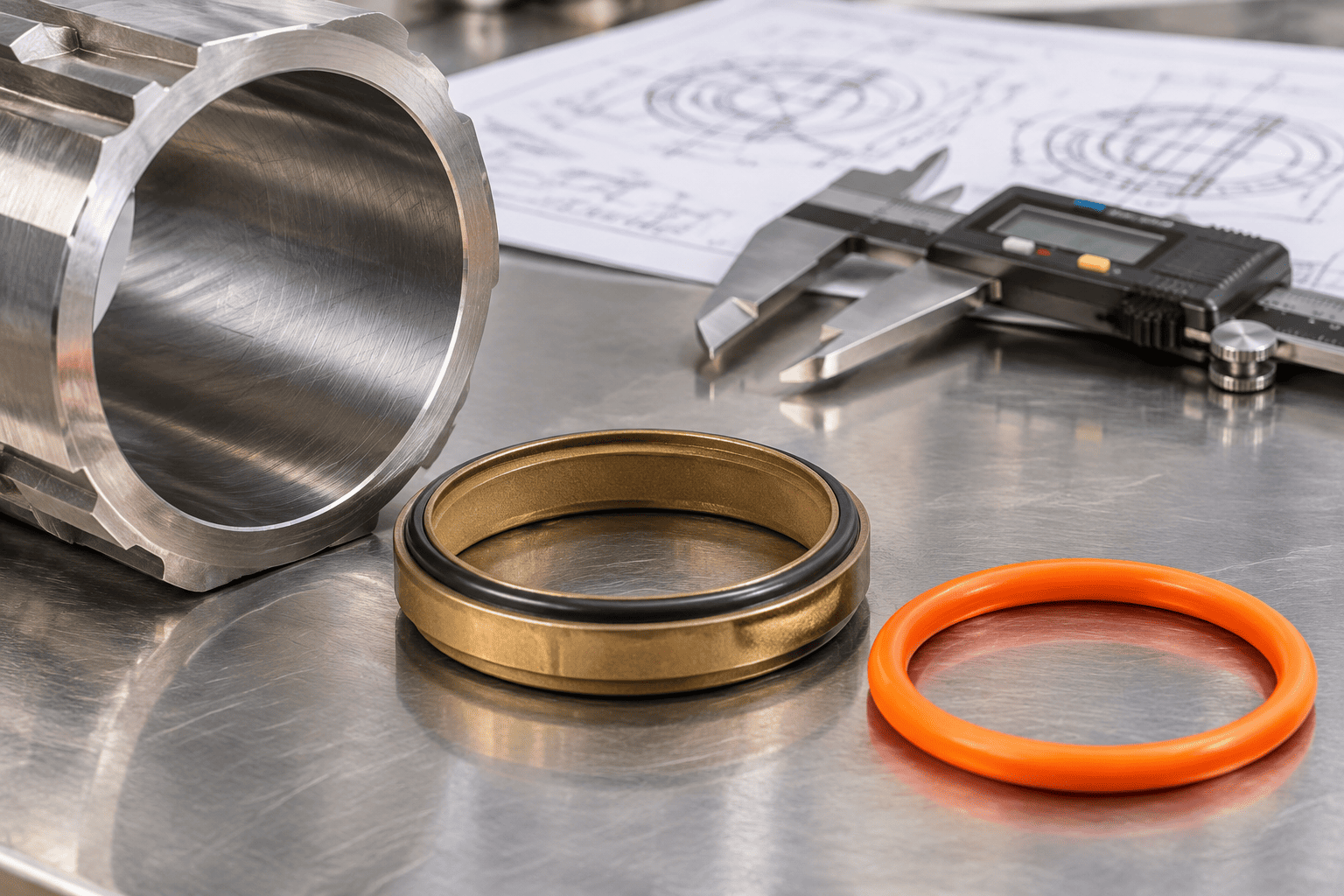
In engine-free electric construction equipment, hydraulic cylinders experience prolonged thermal dwell times. Standard nitrile (NBR) and conventional polyurethane (AU/EU) seals degrade rapidly when subjected to sustained +85°C to +105°C oil temperatures in unventilated compartments.
Key electric construction machinery hydraulic system trends in cylinder sealing include:
| Operating Parameter | Conventional Diesel ICE Machine | Battery-Electric Heavy Machine | Engineering Impact on Hydraulic Cylinders |
|---|---|---|---|
| Cooling Airflow Mechanism | Continuous engine belt-driven fan | Dedicated low-power electric DC fan / Liquid cold plate | Loss of ambient airflow across cylinder barrels and hoses |
| Average Hydraulic Fluid Temp | 55°C to 75°C (131°F to 167°F) | 75°C to 95°C+ (167°F to 203°F) | Thinned oil film reduces lubricity; accelerates seal wear |
| Reservoir Oil Volume Ratio | 1.5× to 2.0× pump flow per minute | 0.6× to 1.0× pump flow per minute | Reduced fluid resting time accelerates aeration and foaming |
| Pressure Control Method | Spool valve throttling & relief valves | Variable-speed servomotor displacement | Eliminates relief valve heat; creates rapid pressure ripple |
| Recommended Seal Chemistry | Standard Nitrile (NBR) / Polyurethane (PU) | Filled PTFE + HNBR / FKM Composite Sealing | Required to prevent hardening and compression set |
Understanding these electric construction machinery hydraulic system trends enables hydraulic cylinder manufacturers to design robust boom, arm, bucket, and steering cylinders capable of matching the 10,000-hour service life expected by commercial fleet operators.
As a premier fluid power cylinder manufacturer with 28 years of manufacturing heritage in Jinan, Shandong, China, HCIC collaborates with electric equipment builders to supply specialized cylinders engineered for zero-emission mobile machinery:
Thermal-Optimized Seal Packages: Standardizing on high-temperature HNBR and low-friction composite PTFE seal packages rated for continuous duty up to +120°C.
Low-Friction Precision Micro-Honed Barrels: Precision skived and roller-burnished cylinder tubes with inner surface finishes of Ra ≤ 0.2 μm, reducing seal breakaway torque and conserving electrical energy.
Integrated Pressure Transducers & Position Sensors: Smart digital sensing options for closed-loop PLC displacement control in autonomous and electric excavator platforms.
100% Hydrostatic Proof Testing: Every custom cylinder undergoes multi-stage pressure validation and video quality inspection prior to global container export.
For technical consultations on electric construction machinery hydraulic system trends and custom OEM cylinder prototyping, contact HCIC fluid power engineering at "info@jnhcic.com".