If you buy hydraulic cylinders for a living—whether you're an OEM sourcing production volumes or a fleet manager chasing replacement parts—the last three years have been one long headache. Orders slid, delivery dates slipped, and every price discussion started with a shrug.
The data for 2026 says that stretch is ending.
Trade association figures, equipment maker reports, and market analysts are now pointing the same direction: the fluid power industry has stopped falling. Orders and shipments have flattened out, and several of the end markets that buy cylinders are starting to move again. If you have been waiting for the market to turn before committing to inventory, capacity, or a new supplier, this is the window to pay attention.
Here's what the numbers actually say, what it means for your cylinder supply chain, and what to do about it before the recovery fills up your suppliers' schedules.
The National Fluid Power Association's fall economic webinar—reported by Power & Motion in November 2025—brought the first clean signal in years. ACT Research's Jim Meil told attendees that the downturn the fluid power industry has ridden since late 2022 was likely coming to an end. U.S. fluid power orders and shipments had broken a three-and-a-half-year declining trend and were moving flat, which he described as "early-stage green shoots" rather than a guarantee.
That call has since been confirmed. In March 2026, Fluid Power World reported that hydraulics and pneumatics shipments "have reached their low point and are in a very clear and confirmed recovery." Not a hope. Confirmed.
The market size forecasts back it up. Grand View Research values the global hydraulic cylinder market at 16.9billionin2025,projectinggrowthto16.9billionin2025,projectinggrowthto17.6 billion in 2026 and 24.7billionby2033—a5.024.7billionby2033—a5.014.9 billion in 2025, growing at 3.22% through 2034.
None of this guarantees your specific supplier has spare capacity. But it tells you which way pricing pressure and lead times are heading over the next 12 to 18 months.
Three things happen when a hydraulic market turns up, and none of them are fun to discover late:
Lead times stretch. Capacity fills from the biggest customers first. Custom cylinder programs—the ones with special strokes, porting, and paint specs—get scheduled around production runs, and 8-week quotes quietly become 14 weeks. If you are planning a new machine build or a cylinder redesign, your 2026 Q4 delivery request is being priced today, not when you call.
Raw material and energy costs push prices. Power & Motion's Q2 2026 market review flagged supply chains and energy costs as the new headwinds of the year. Steel tube, rod stock, and the energy to run honing and chrome plating lines all move with the cycle. Suppliers who locked in material early will hold prices; those who didn't will pass the difference to you.
Quality gets tested under load. When shops are rushing orders, inspection steps are where corners get cut. A cylinder that fails at 1.5 times working pressure—or leaks past its seals at -20°C—costs you far more in downtime than the discount you negotiated on the PO.
You do not need to panic-buy. You do need to move before everyone else does.
Run any shortlisted supplier through these before you send the PO. The answers will tell you more than any brochure:
1. What do you actually make in-house?Welding, honing, chrome plating, machining, and testing under one roof mean one accountable party for quality and delivery. Ask where the rod coating and barrel honing happen.
2. What are your real test standards? A serious cylinder maker pressure-tests every unit—not a sample—and can tell you the test pressure ratio without checking a file. Ask how they verify seals at low temperature if your application runs cold.
3. What is your current lead time, and what happens at peak? Get the number in writing. Ask how capacity is allocated when orders outrun the shop.
4. Custom work or catalog only? If your machine needs a non-standard stroke, port configuration, or paint finish, you need a manufacturer who treats modifications as routine, not as a favor.
5. Can you provide failure analysis after the sale? The best suppliers treat a returned cylinder as diagnostic data, not a warranty claim. Ask what they will do when a cylinder comes back with a scored barrel or a failed seal—and what they will change so it does not happen again.
The fluid power industry has bottomed out and the 2026 data confirms the turn. Construction is driving demand, rate cuts are greasing equipment finance, and agricultural repair work is keeping the aftermarket busy. For buyers, that means longer lead times and firmer pricing on the way.
The suppliers who lock in capacity and material now will be the ones delivering on time in Q4 2026. If you are sourcing custom hydraulic cylinders, replacement cylinders, or telescopic cylinders for the year ahead, the conversation is worth having this month, not after your current supplier quotes you a January delivery.
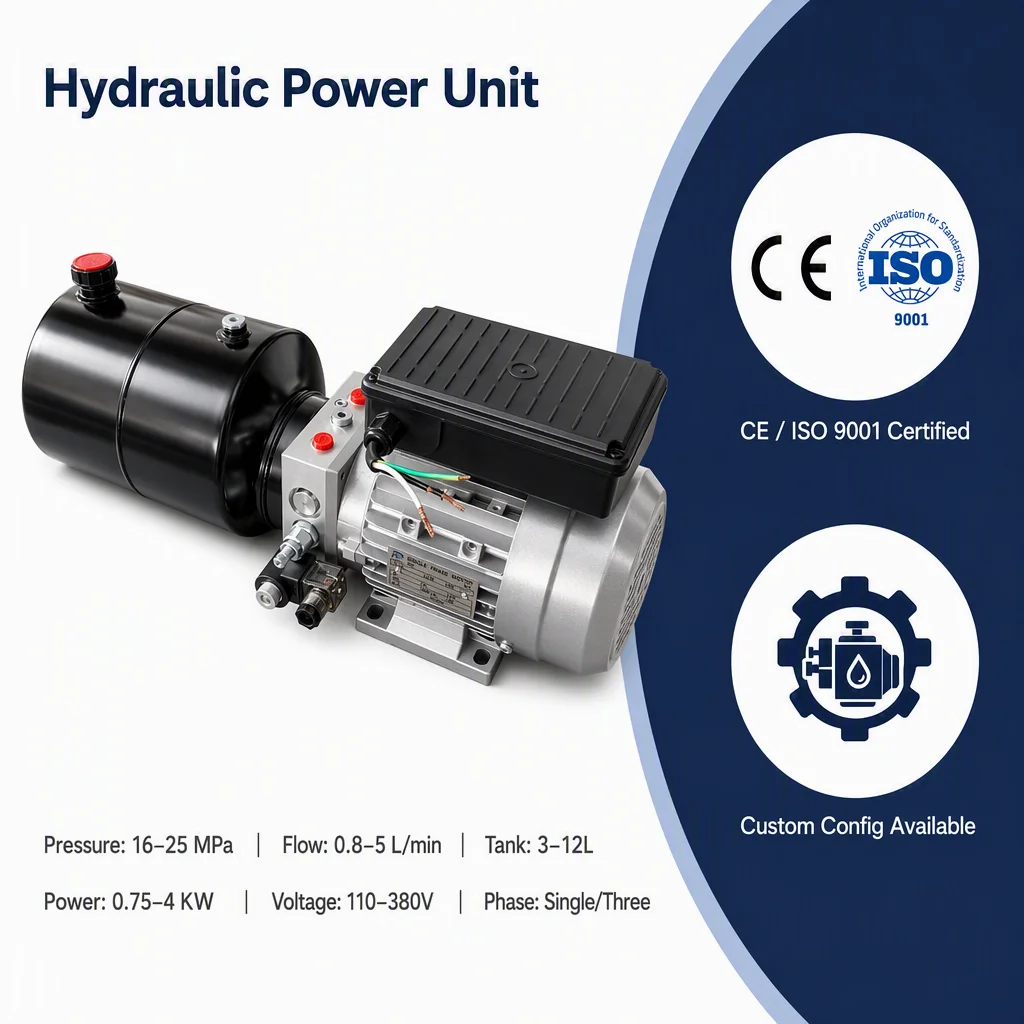
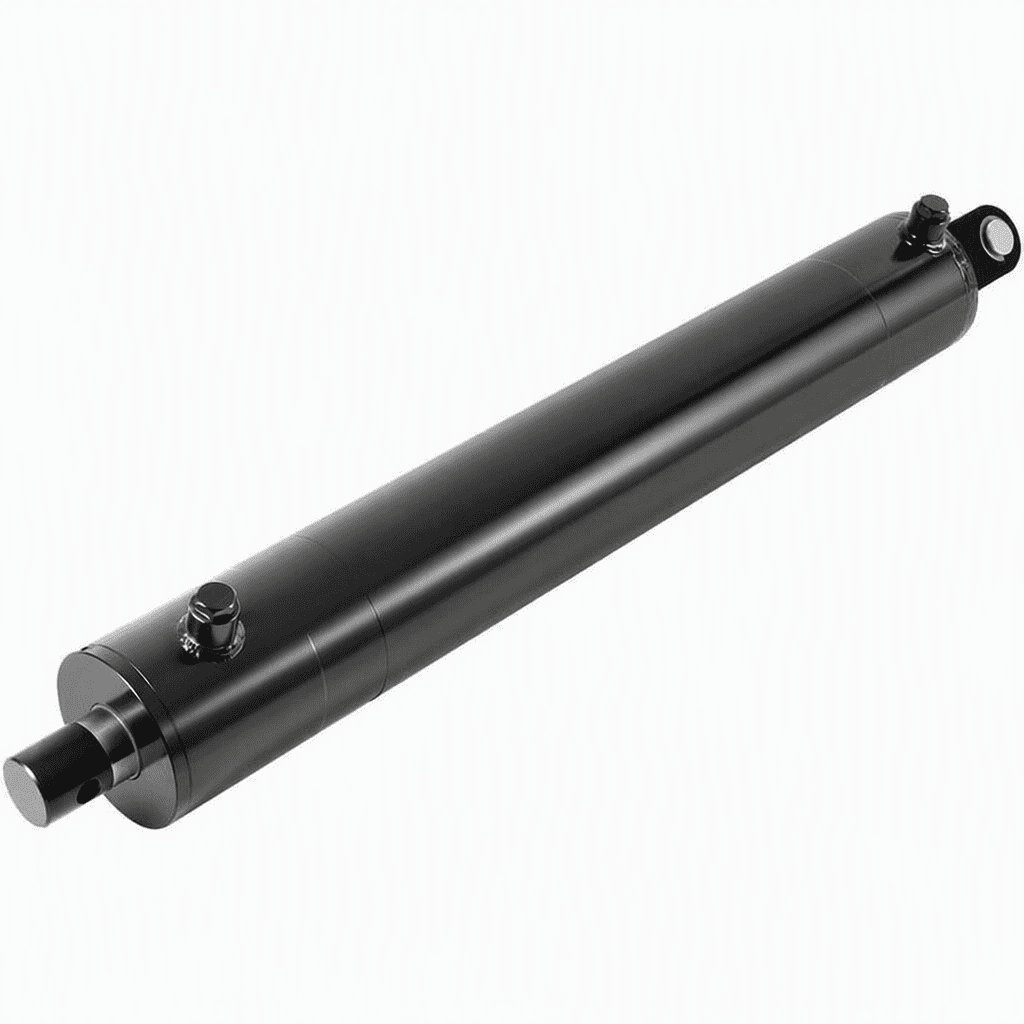
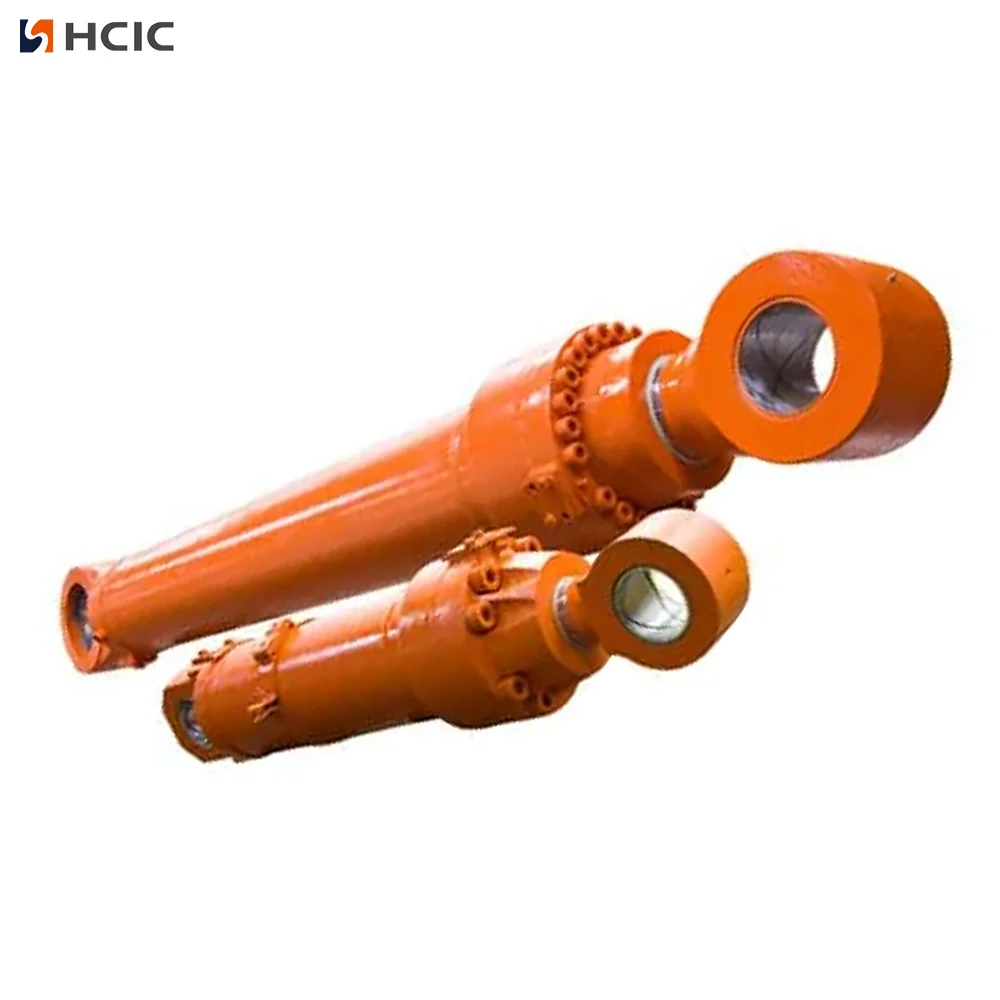
HCIC Hydraulic is a China-based manufacturer of custom hydraulic cylinders, telescopic cylinders, and hydraulic power units, in business since 1998. Our facility is ISO 9001 certified, and every cylinder we ship is welded, machined, hard-chrome-plated, and pressure-tested in-house—including a 1.5x working pressure test on each unit. We supply OEMs and distributors across the refuse, construction, automotive testing, and agricultural equipment industries, with standard programs running 4–8 weeks and custom designs supported from drawing review through prototype.
Send us your drawing or your requirements and we will reply within 24 hours with a review of the design, our recommended materials and sealing package, and a firm delivery schedule. No obligation, no pressure—just an engineering answer to a procurement question.