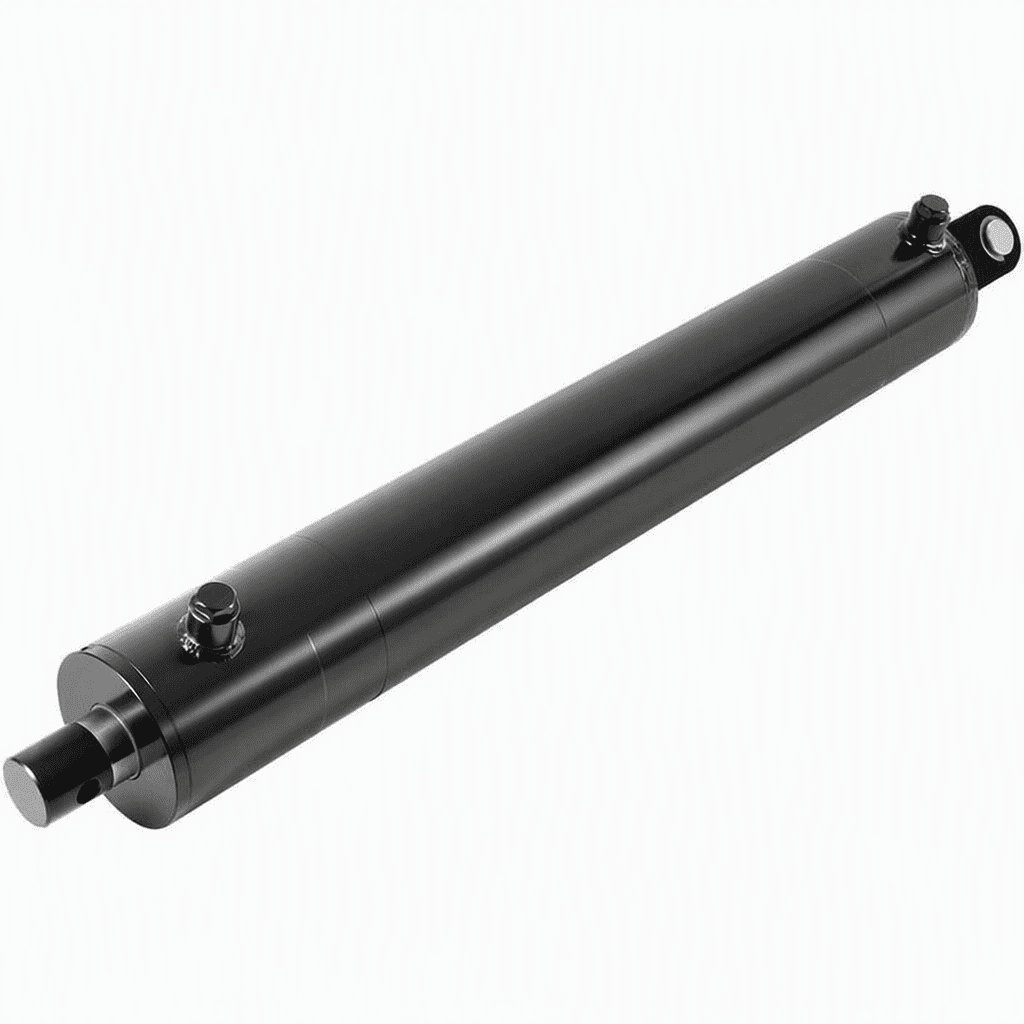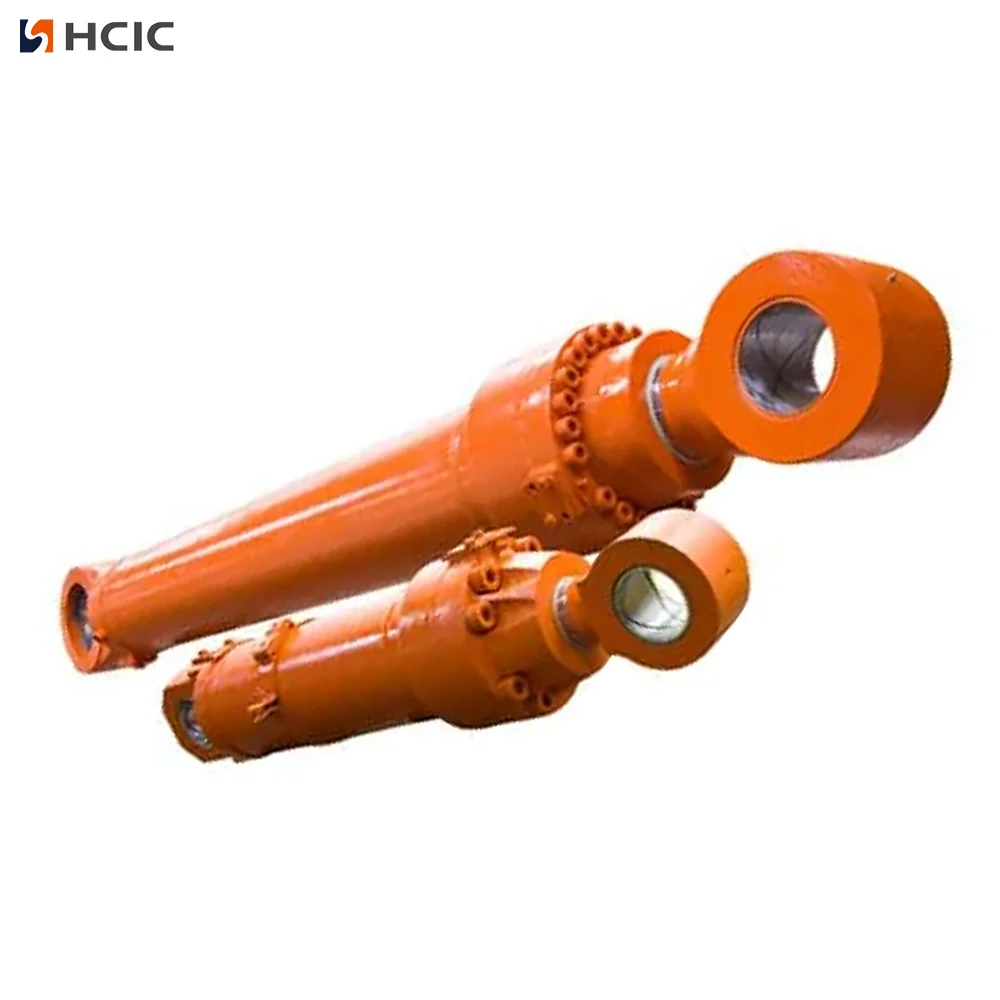
Let’s cut the fluff. Most B2B buyers look at a datasheet, see "HRC 55," and think their rods are bulletproof. They’re wrong. That hardness is often just a microscopic "skin"—less than 1mm deep. In the 2026 high-impact market, this creates the "Egg-Shell" trap. When your heavy duty hydraulic rams hit a massive shock load (like a rock-breaker cycle), the soft base steel underneath the hard skin deforms. The hard surface, unable to flex, simply cracks and peels off like an eggshell. At HCIC, we’ve moved past the "Skin-Deep" method. We treat the transition zone as a critical engineering component.
How do you know you've been hit by egg-shelling? Look for "Potholes" on the rod. If the chrome isn't just scratched but is literally flaking off in chunks, you have a sub-surface delamination issue. This isn't a "chrome quality" problem; it’s a heat-treatment failure.
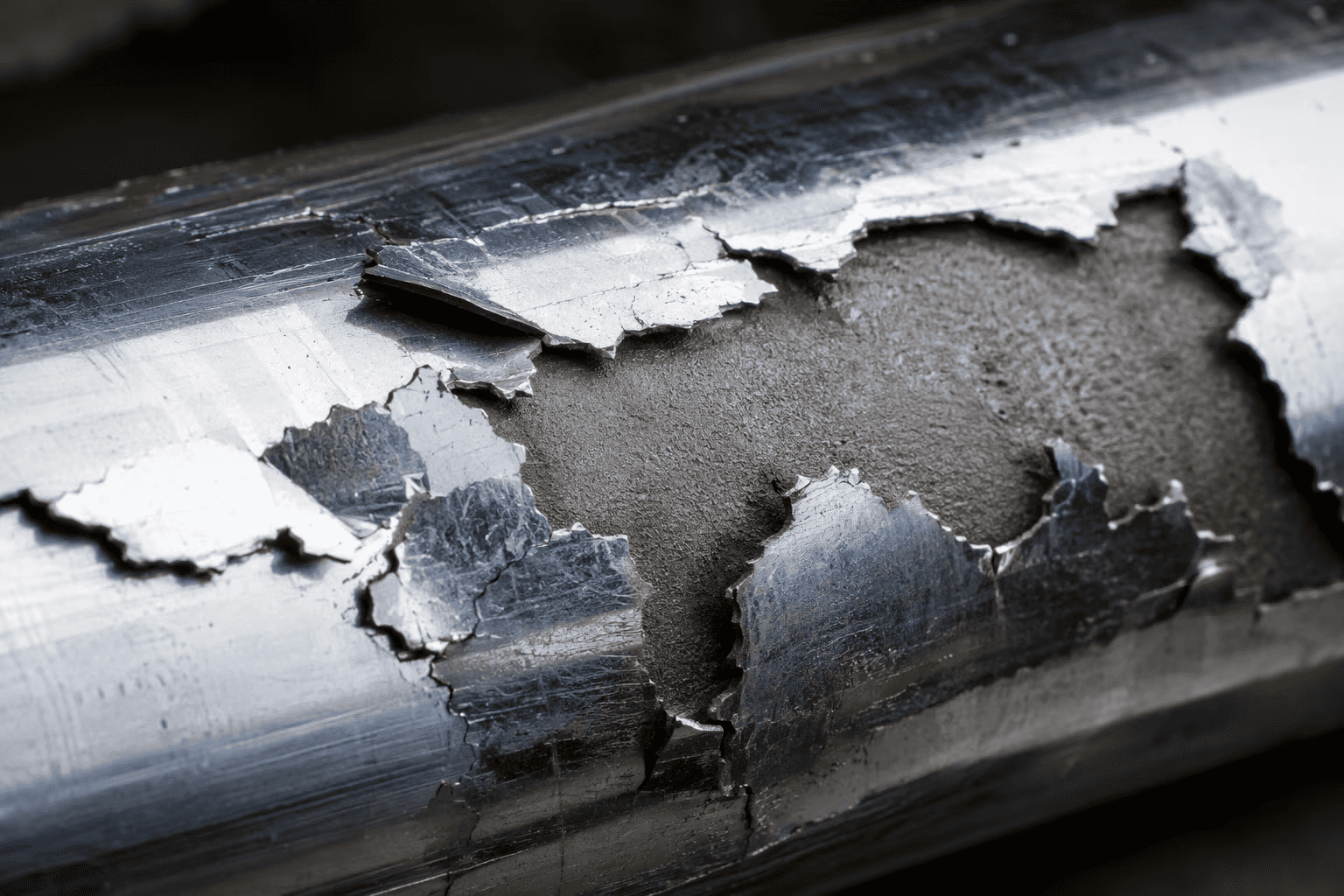
At HCIC, our company news centers on our 2026 "Linear Transition" initiative. We don't just "bake" the steel; we manage the molecular gradient.
The 2026 landscape is too expensive for "near-miss" engineering. A shiny rod is useless if it peels under pressure. HCIC (Jinan Huachen Industrial) provides the metallurgical proof—from digital depth-scans to 100% ultrasonic verification. If your current fleet is suffering from mysterious rod-pitting or chrome flaking, your hardening depth is likely a lie. Ready to see the Hardness Depth Maps for your next project? Contact our engineering team today.