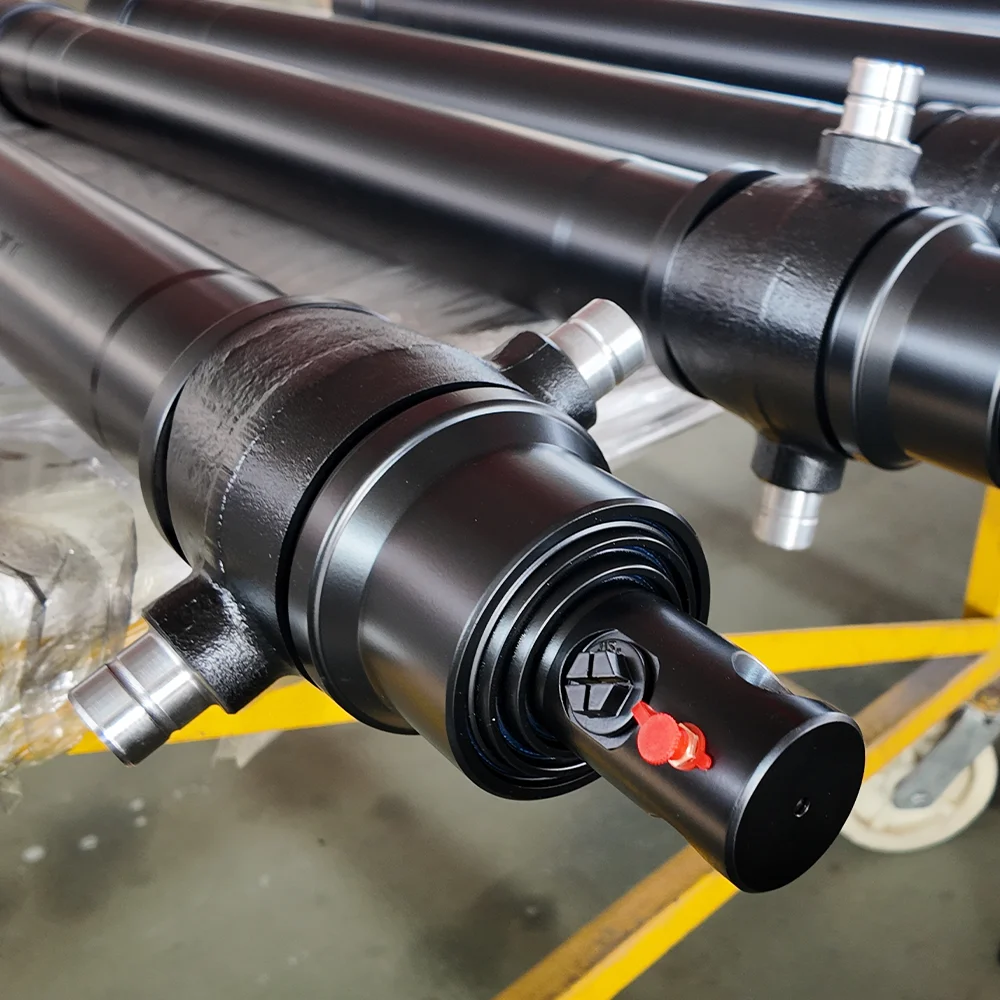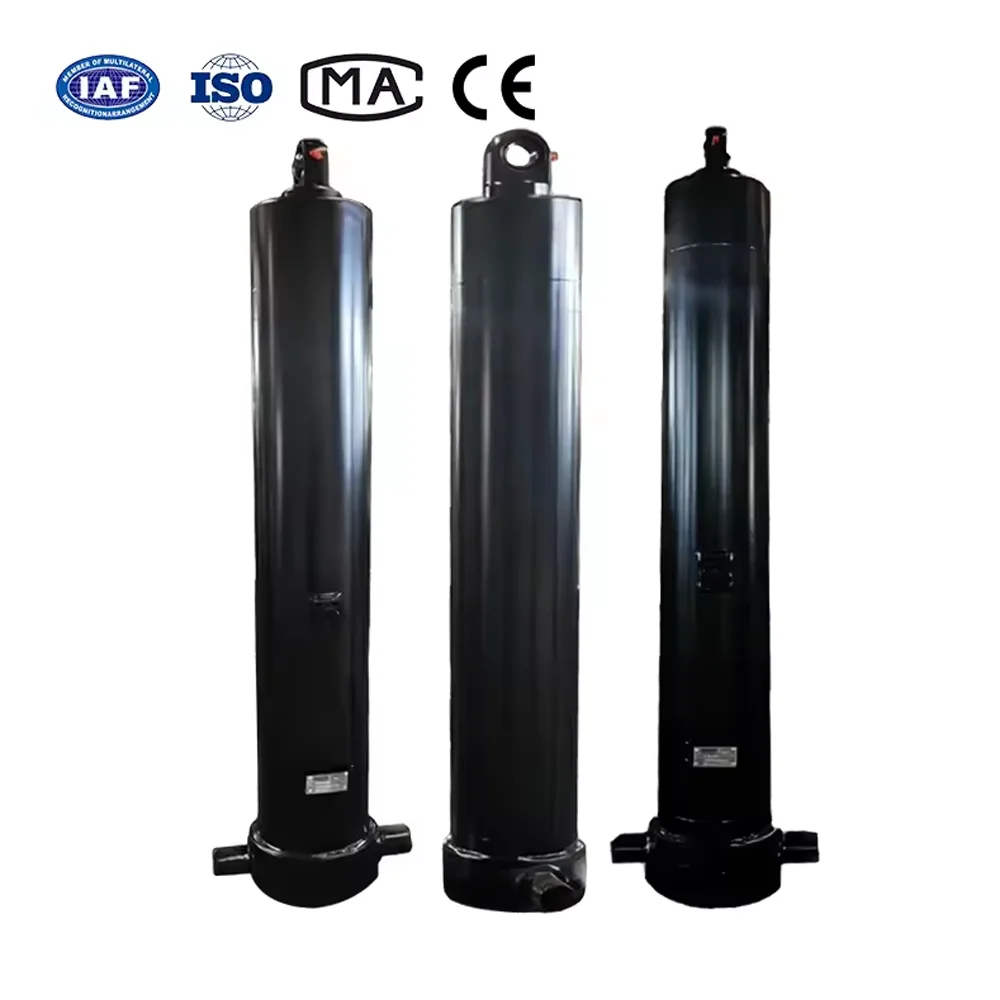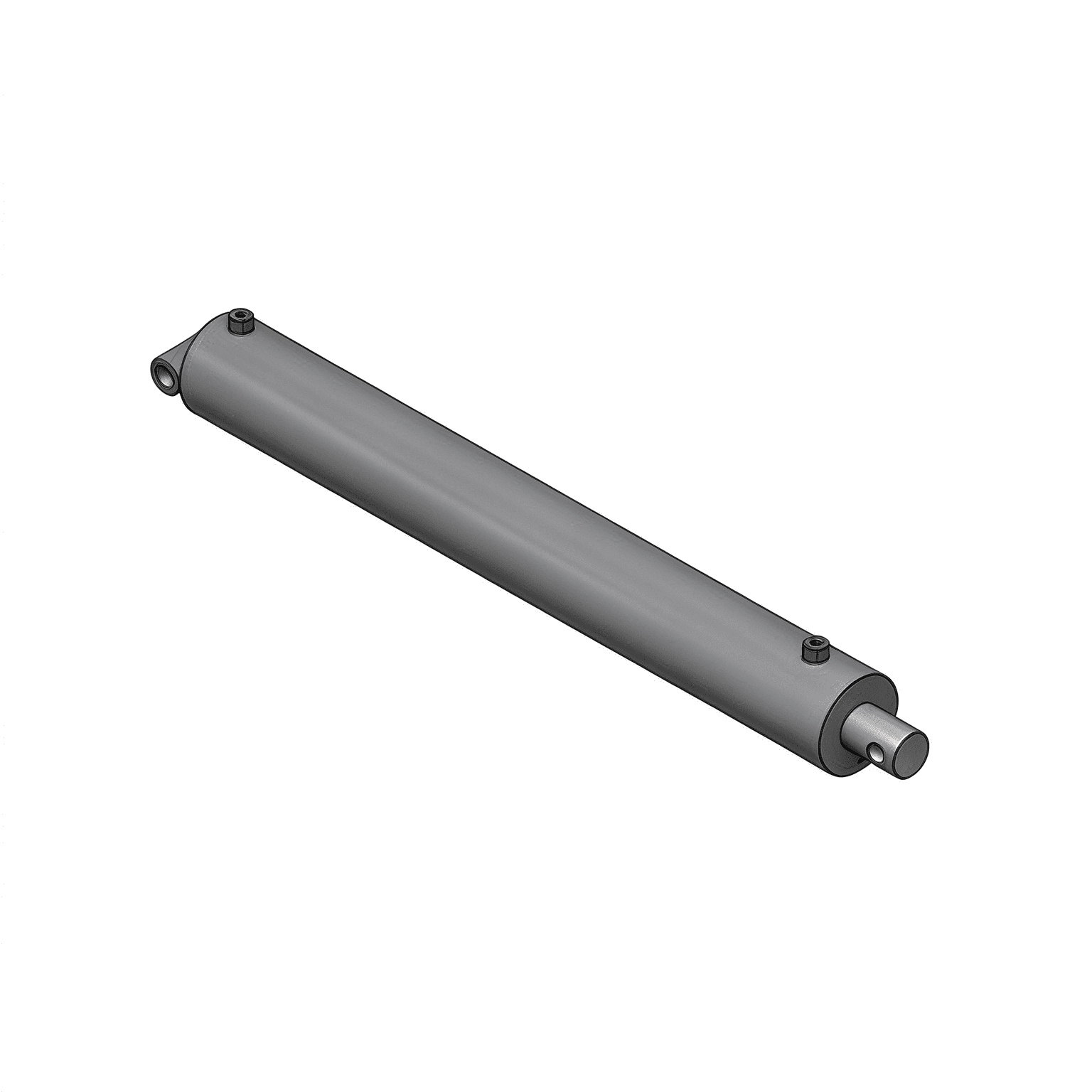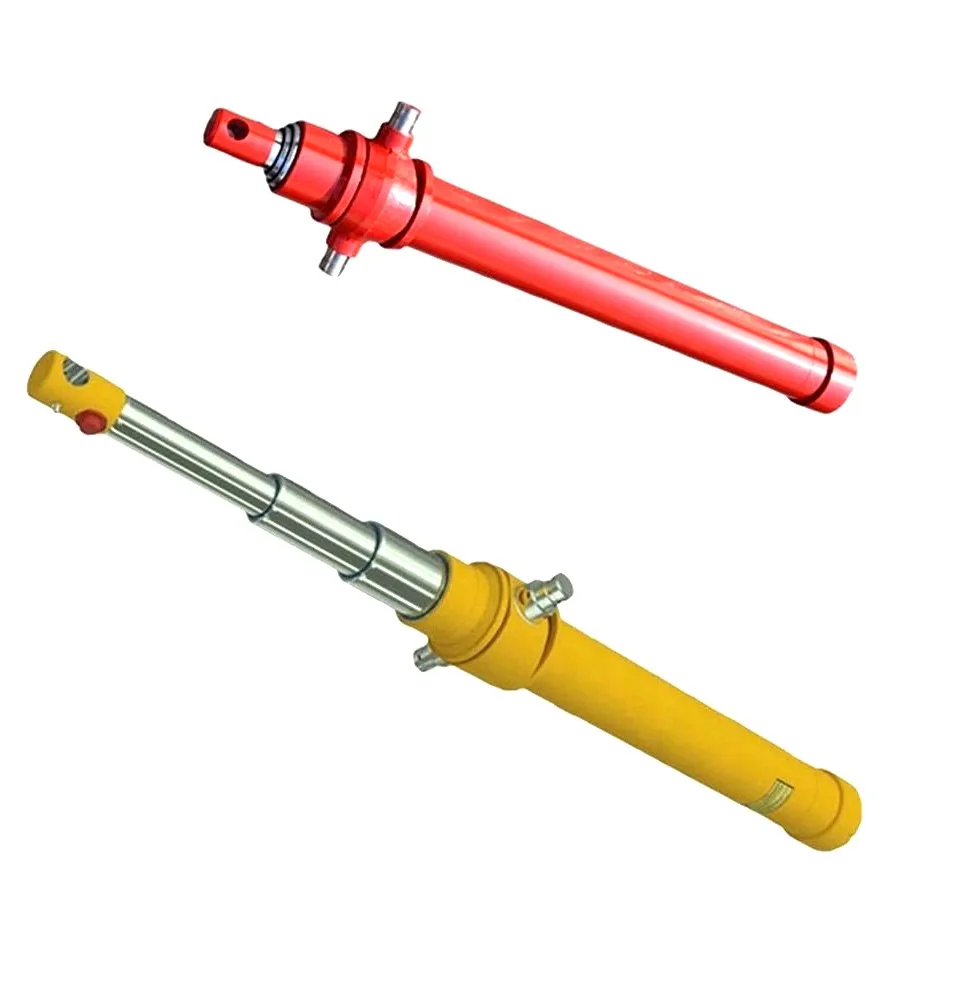
When running hydraulic parts supply or equipment manufacturing businesses, it is very common to stock up hydraulic cylinders for later use. Many on-site staff do not follow proper storage rules, which will cause rust on piston rod coatings, worn seals and dirt getting inside the cylinder. These problems will directly affect normal operation after installation. Drawing on our years of warehouse management experience and real shared experience from our overseas clients, we sort out practical storage standards and key tips for different working scenarios. All guidance comes from real on-site work.
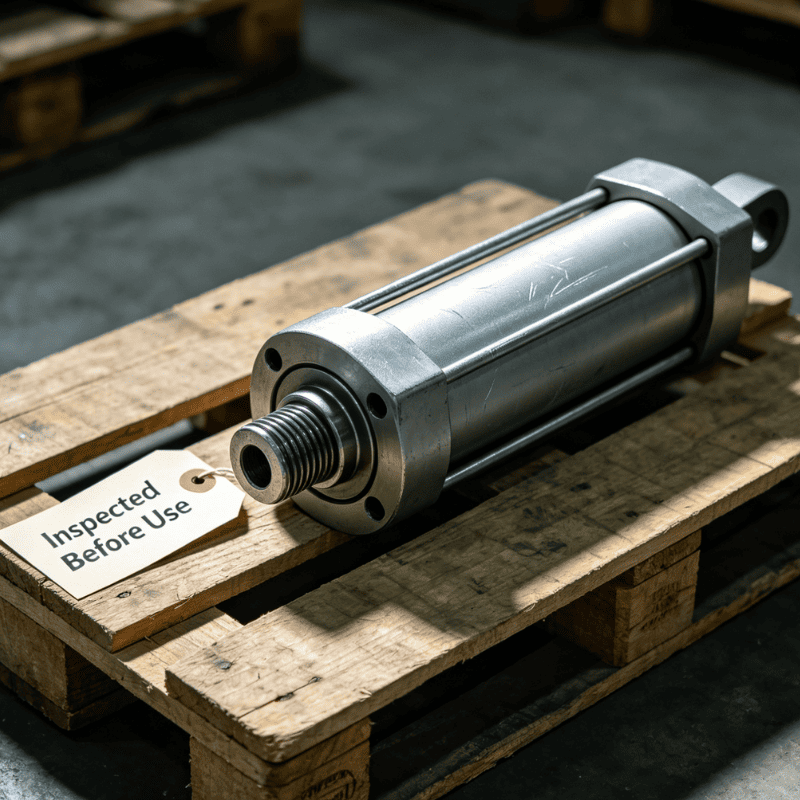
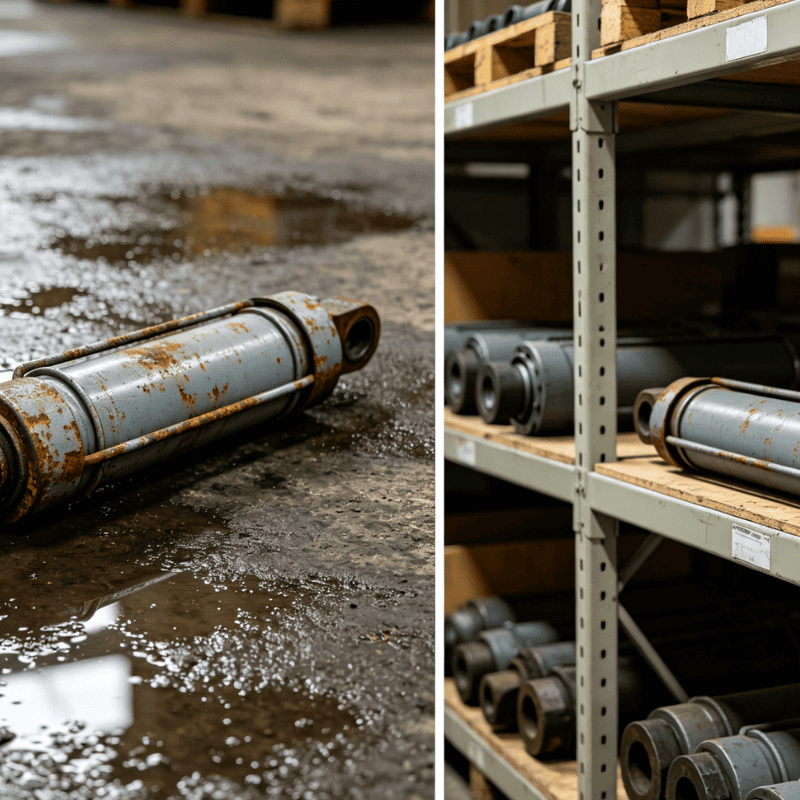
Make sure the warehouse stays dry, well ventilated and out of direct sunlight. Use pallets or wooden racks to lift cylinders off the ground so as to keep moisture away. Keep all units far from standing water, acids, alkalis and any other corrosive materials.
Before putting cylinders into storage, fully retract the piston rod and fit protective plugs on all oil ports and connection ends. We suggest placing cylinders upright whenever possible. If you have to stack them horizontally, do not go over two layers. This can stop cylinder barrels and end caps from deforming under pressure. With these methods, cylinders can keep good working condition for more than six months in a dry room at normal temperature.
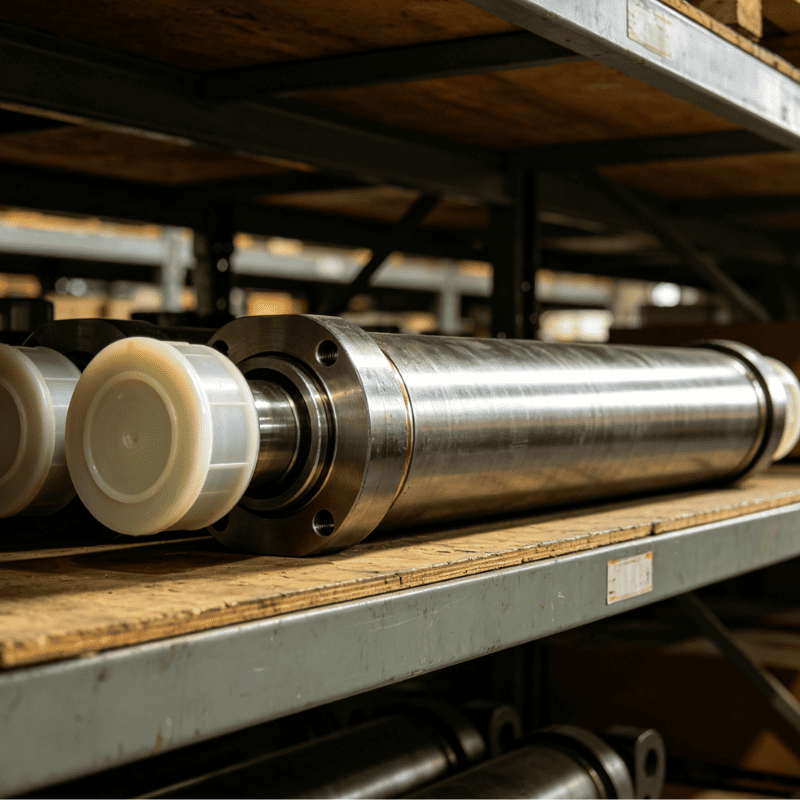
Never take off the plugs on oil ports or dust-proof parts. These fittings must stay in place to seal all connection points properly.
Do not leave cylinders near running machines or main walkways, in case the piston rod surface gets knocked or scratched. Keep them separate from sharp metal pieces. Lay each cylinder flat alone. Also watch out for dripping water and oil around the storage area.
We only allow outdoor placement for temporary transfer. Do not leave cylinders outside for more than seven days. Long-term outdoor storage is not permitted at all.
Always put cylinders on pallets or steel frames. Do not set them directly on bare ground. Cover the whole batch fully with waterproof tarpaulin to block rain, strong sun and blowing dust. Once strong wind or rain comes, move all cylinders indoors right away.
Place moisture control products inside the warehouse. If there is water on cylinder surfaces, wipe it completely dry before storage, so as to prevent rust from condensed water.
There is no need to add extra heating equipment. Just keep the room temperature steady and avoid big temperature swings between day and night. If cylinders have stayed still in cold conditions, wait until the temperature levels out before moving them.
Look over cylinder barrels and piston rods carefully. Check for rust, scratches and physical deformation. Also check every connection point to make sure no oil leaks out.
Move the piston rod back and forth slowly with no load applied. Check that the unit moves freely, with no stuck points or strange noises.
If you find peeling coating, internal jamming or oil leakage, fix these issues first. Do not install and use faulty cylinders directly.
Hydraulic cylinders are precision parts for hydraulic systems. Following standard storage rules can cut down unnecessary damage while parts are kept in stock, and guarantee stable performance after installation. All the storage and inspection rules listed above are summed up from daily warehouse work and real feedback from end users. They work well for hydraulic cylinders used on trailers, construction machines, farm equipment and other related devices.