Industrial hydraulic cylinders serve as the core power parts for construction machinery, heavy trailers, mining and port equipment. The stability, load capacity and service life of machinery rely heavily on hydraulic cylinder material craftsmanship, sealing structure and pressure matching.
Many overseas buyers and equipment contractors only focus on size and price while ignoring working condition adaptation and sealing standards, which easily cause oil leakage, pressure drop and frequent maintenance. This article combines real project data across North America and Europe, sharing professional technical insights, localized application cases and practical FAQs for global buyers.
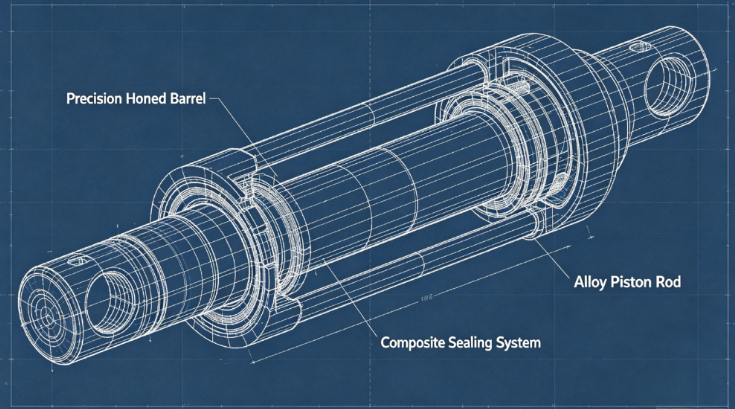
High-performance hydraulic cylinders differ greatly in internal craftsmanship rather than external appearance. Qualified industrial cylinders adopt precision honed cylinder tubes with inner wall roughness controlled within Ra ≤ 0.4μm, effectively preventing internal leakage. The piston rod uses alloy steel with 0.08–0.12mm hard chrome plating, delivering strong wear resistance and anti-corrosion performance for outdoor, mining and coastal harsh environments.
Standard industrial cylinders reserve over 1.2 times pressure safety redundancy. General construction machinery typically runs at 16–20MPa, while heavy-duty mining units are built for 25–35MPa.
High-grade composite seals work reliably from -35℃ up to 120℃, effectively preventing seal aging and oil leakage under extreme weather conditions. Built-in buffer structure effectively avoids rigid impact and cylinder deformation during operation.
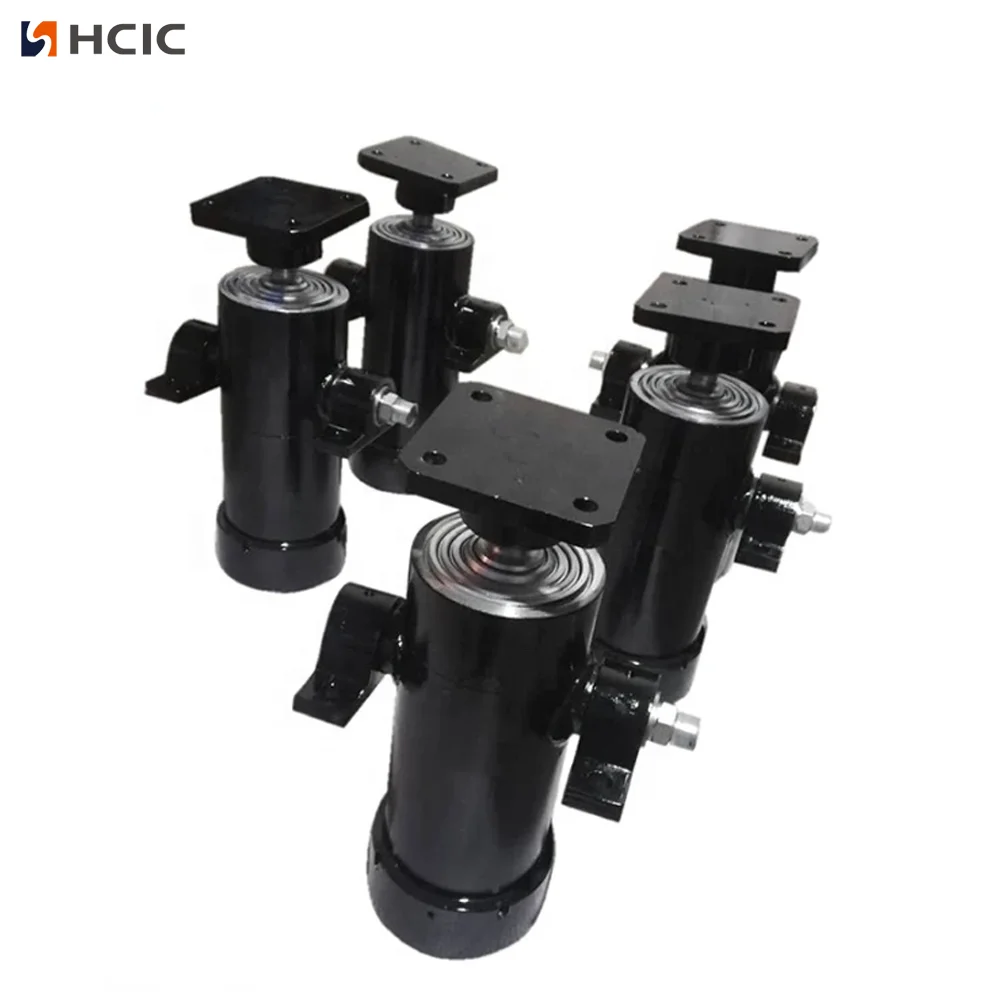
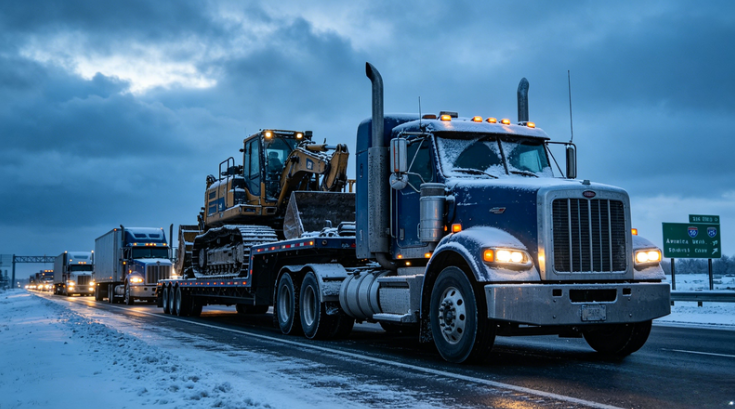
Ohio local heavy transport fleets faced frequent oil leakage and seal failure in cold winters with ordinary telescopic cylinders. Maintenance was required every 3–4 months, raising annual operation costs obviously.
After adopting custom low-temperature hydraulic cylinders rated at 18MPa with 1.3 times safety margin, real 12-month site feedback shows failure rates fell 67%. Maintenance intervals last up to 18 months, cutting annual upkeep costs by 22%. The cylinders work reliably even at -30℃, ideal for long haul transport across North America.
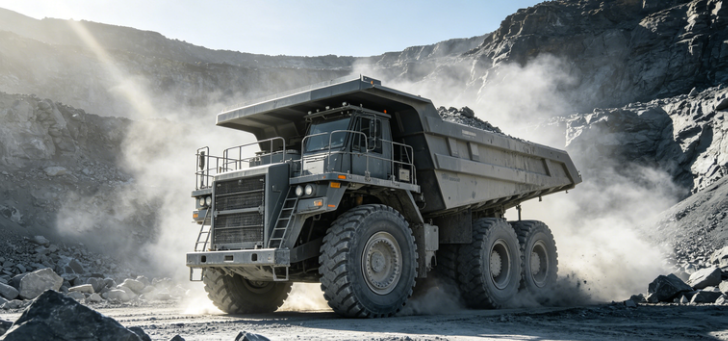
One open-pit mining site in Poland struggled with short service life on its original hydraulic cylinder units. Under dusty round-the-clock heavy load conditions, the original cylinders could only last around 6 months before replacement was needed.
After upgrading to custom heavy-duty hydraulic cylinders fitted with wear-resistant barrel tubing and upgraded sealing sets, the service life was stretched to a full 24 months. On-site equipment downtime fell 40%, with daily production efficiency up 18%, well suited for high-intensity mining work.
It’s necessary to select hydraulic cylinders according to local climate and actual operating environments.
Regions across North America have big temperature gaps and freezing winter weather, which calls for cold-proof seals and high-toughness cylinder materials suitable for low-temperature scenarios.
Mining operations throughout Europe need hydraulic cylinders that deliver great wear resistance and dependable dust sealing.
Coastal areas in Australia require rust and salt spray protection to withstand humid, salt-filled coastal conditions.
One-size-fits-all selection is not recommended. Matching cylinder design with local climate and working conditions is the key to long-term stable operation, also helping Google local GEO ranking for global business exposure.
Q:Is slight oil leakage acceptable for hydraulic cylinders?
A:Minor surface leakage usually comes from aging seals. It can be used temporarily but seal replacement is recommended soon to avoid internal pressure loss and lifting failure.
Q:How to match cylinder pressure with actual working load?
A:Choose cylinder rated thrust at least 1.2 times of the actual maximum load to prevent long-term full-load operation and shorten service life.
Q:What is the key point for cylinder selection in cold regions?
A:Focus on seal temperature resistance, piston rod plating and cylinder material toughness to prevent seal hardening in sub-zero environments.
Q:What is the gap between industrial and ordinary hydraulic cylinders?
A:The main differences lie in honing precision, sealing grade, buffer design and pressure redundancy, resulting in huge gaps in durability and failure rate.
Hydraulic cylinder quality depends on internal craftsmanship rather than simple size parameters. Real cases from North America, Europe and Australia prove that localized customized design effectively lowers failure rate, cuts maintenance cost and improves equipment efficiency. For global procurement and engineering matching, prioritizing technical configuration and regional working condition adaptation is always more valuable than simple price comparison.