Let’s talk about a scenario that happens every summer in North America and Australia. You park a dump trailer or a loader in the sun with the cylinders fully retracted. The system is "off," but the physics are very much "on." Hydraulic oil expands at a much faster rate than the steel barrel. On average, you’re looking at a 5 to 7 PSI pressure jump for every single degree Fahrenheit the oil heats up. Do the math: a 40-degree temperature swing from morning to afternoon can add nearly 300 PSI of "invisible" load to your custom hydraulic solutions.
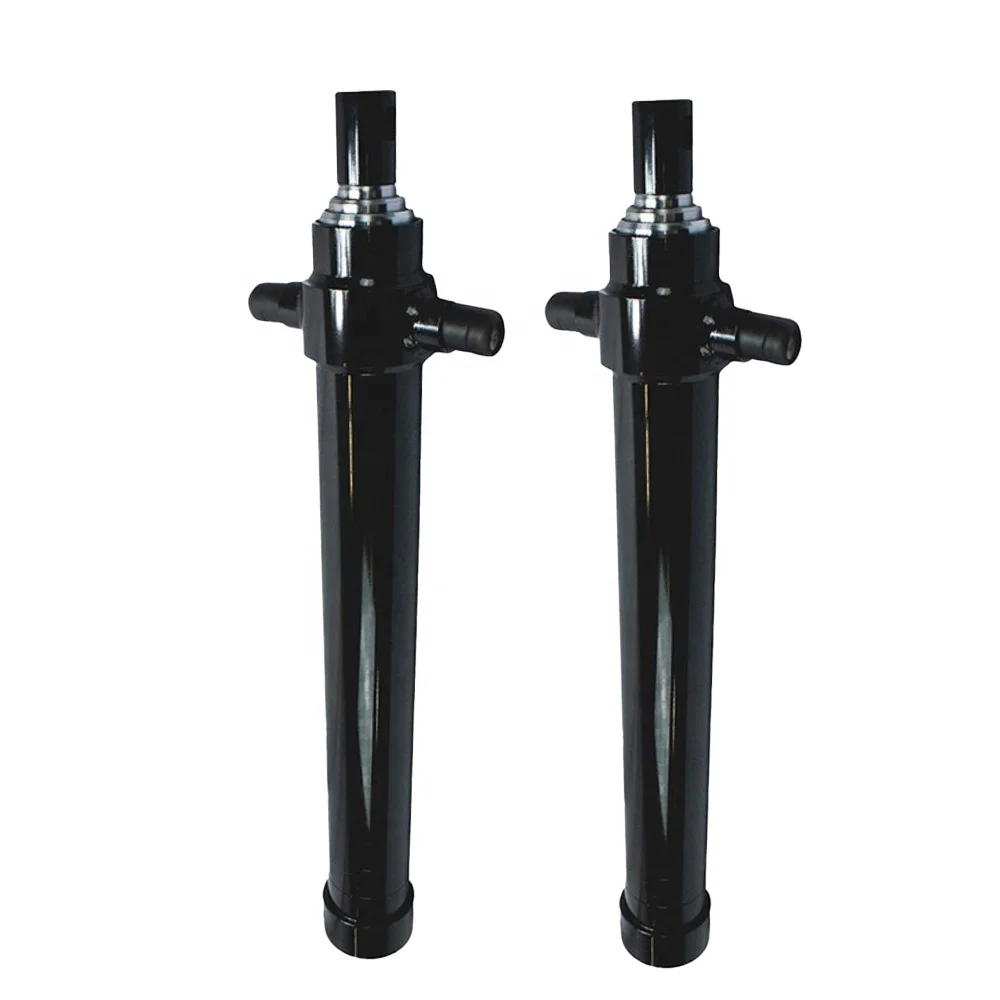
When that trapped oil has nowhere to go, it fights the piston seals. This isn't a slow leak; it’s a physical crush. In our repair shop, we see multi-stage hydraulic rams come in with "mushroomed" piston heads. Why? Because the thermal pressure spiked so high it exceeded the yield strength of the metal. If your supplier isn't talking about thermal relief valves in their circuit design, they aren't preparing you for the real world. At HCIC, we build the "safety margin" into the iron, not just on the datasheet.
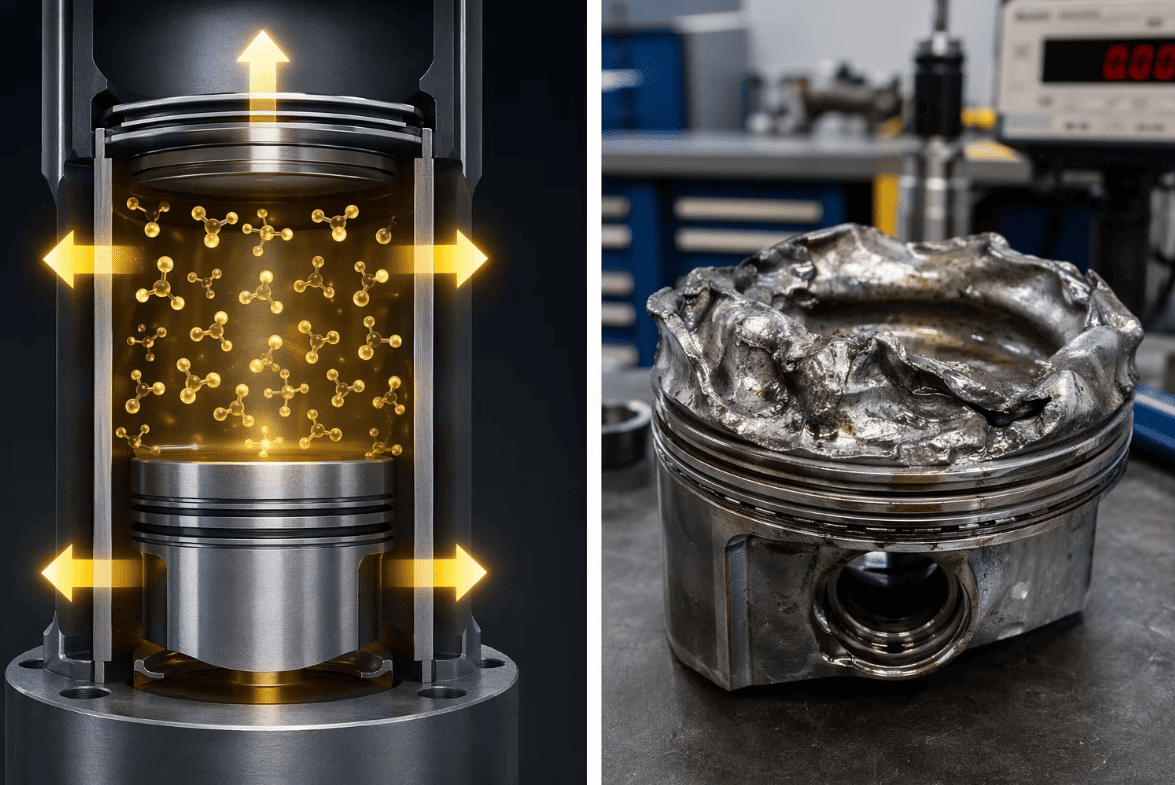
How do you know it was the sun and not your operator? Look for the "Thermal Scar."
Real engineering means planning for the worst day on the job site.
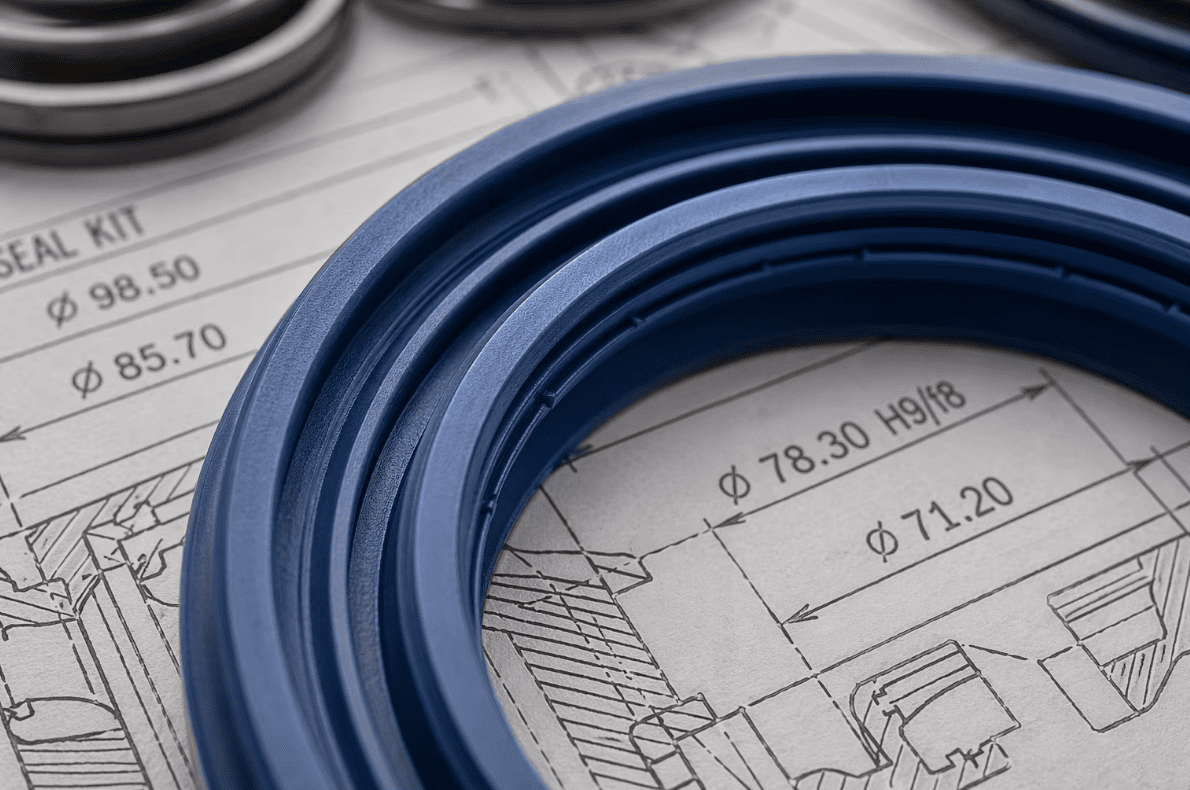
A hydraulic cylinder is a high-pressure vessel, even when it’s not moving. If you’re tired of "mystery leaks" every time the weather warms up, it’s time to move past generic components. HCIC provides the fluid dynamics expertise to help you build a bulletproof fleet. Ready to see the thermal stress test logs for your next project? Contact our engineering lead today for a technical deep-dive.