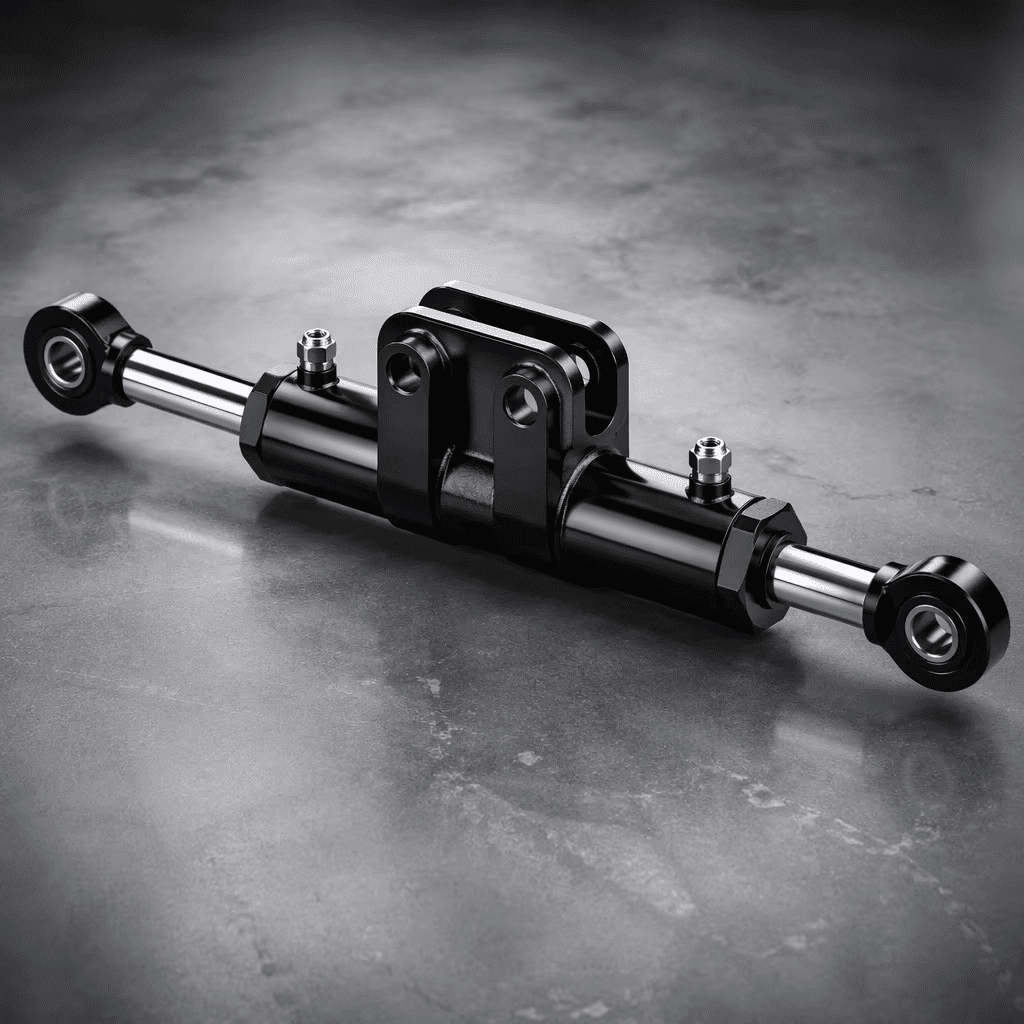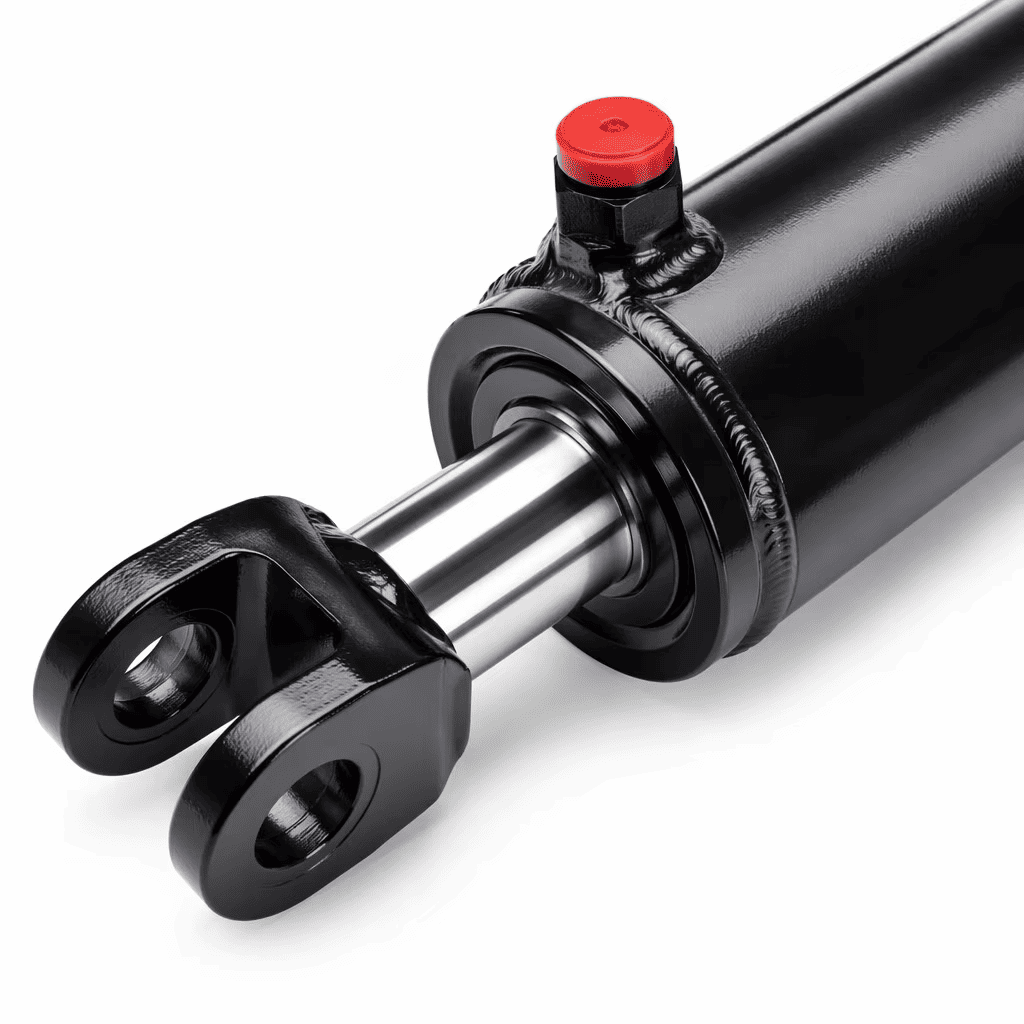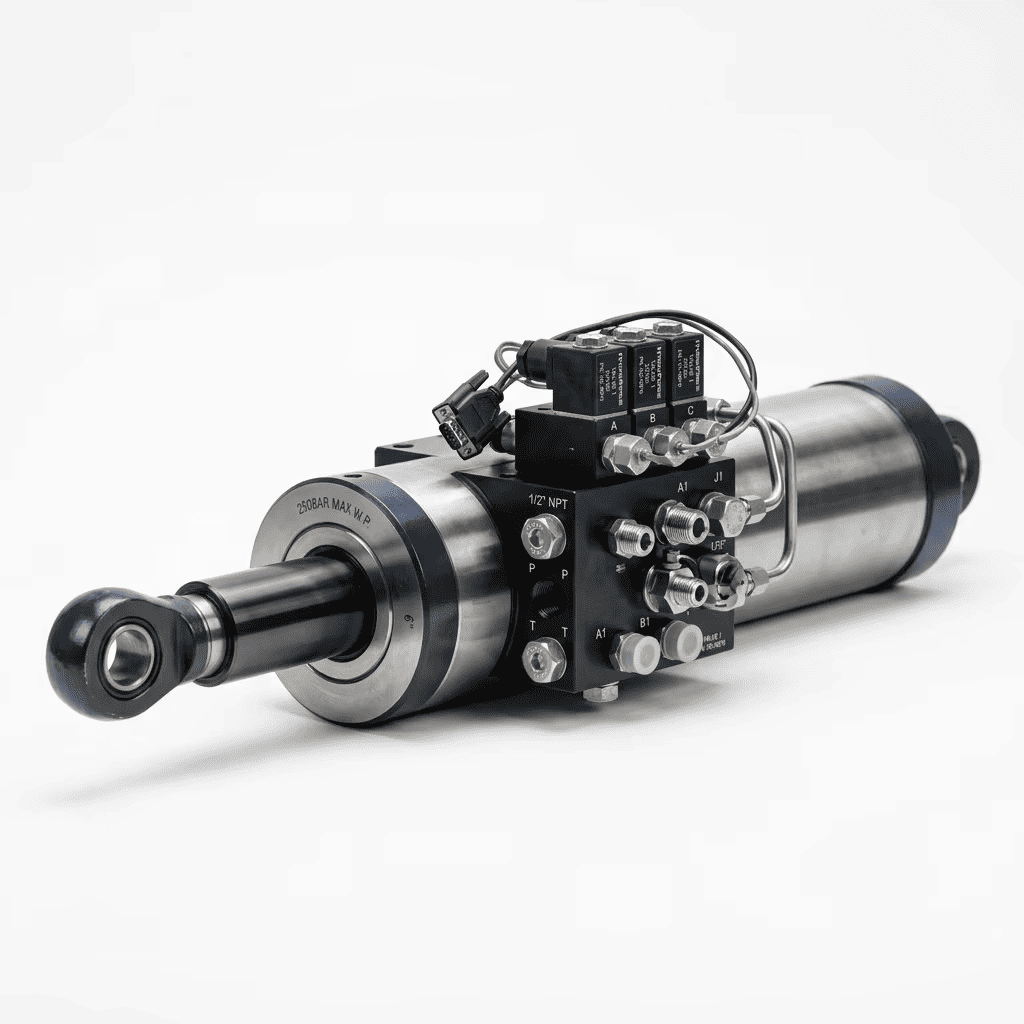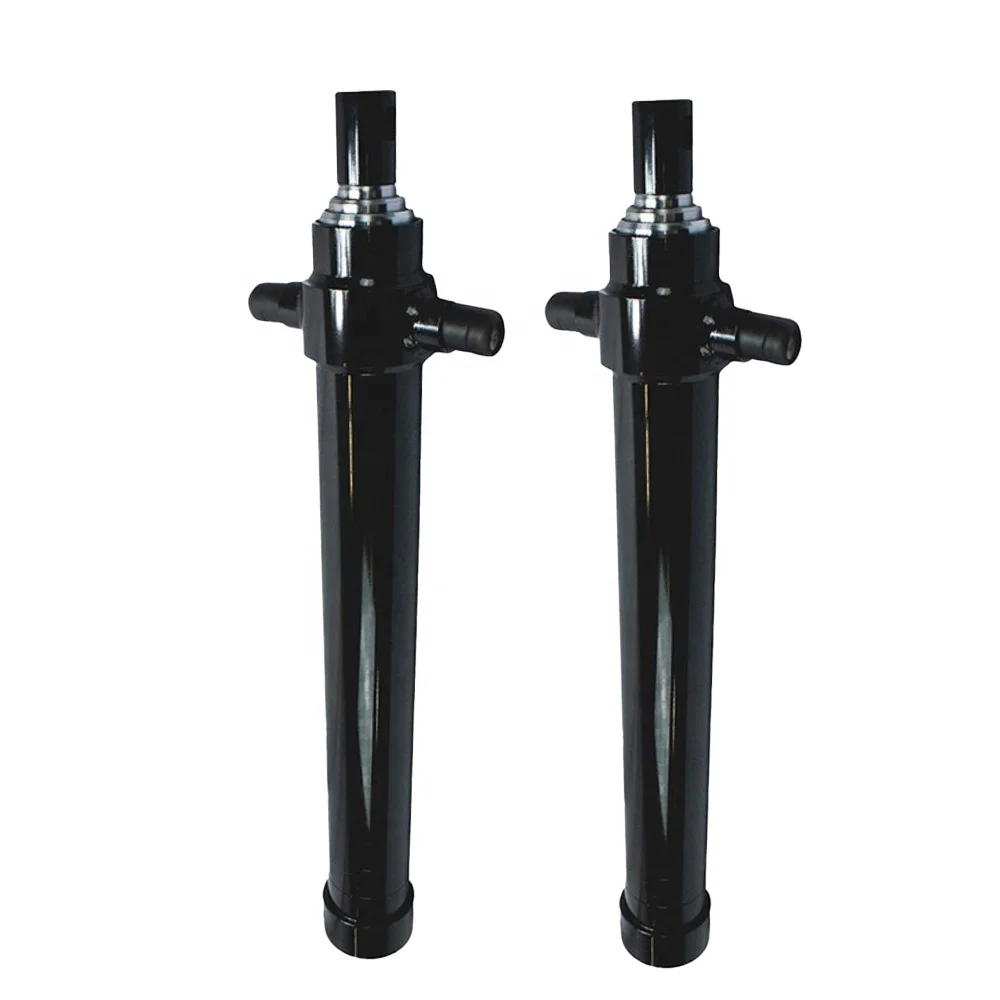
Many users choose general-purpose hydraulic cylinders to cut initial procurement costs. In harsh conditions (heavy loads, corrosion, dust, extreme cold), this easily causes piston rod wear, cylinder deformation, rust and leakage. Later maintenance, replacement and downtime losses are far higher than the initial price difference. Choose wear-resistant, rust-proof, impact-resistant high-strength steel and surface treatment processes based on actual working conditions (mining, dump trucks, sanitation, special vehicles) to fundamentally reduce failures.
Low-cost hydraulic cylinders often have inferior accessories, insufficient processing accuracy and simple sealing systems. They seem cost-effective short-term but frequently leak oil, have internal leakage or move slowly, causing equipment downtime. Choosing stable, reliable products reduces unexpected failures and repeated replacements – the key to controlling long-term costs.
Unreasonably structured cylinders have high operating resistance, increase hydraulic system energy consumption, and accelerate eccentric wear of seals, guide sleeves and piston rods. Precise structural design fitting equipment conditions ensures smooth operation, lowers energy consumption and extends core component life.
Mismatched cylinder parameters (load, pressure, stroke) and long-term overload/impact use greatly shorten service life. Select cylinders according to equipment rated requirements, avoid overloading small cylinders, and reduce abnormal losses and replacements.
Overloading, rough starts, frequent impact loads and sudden stops/starts are major causes of early cylinder damage. Standardize operations, avoid exceeding rated pressure/load, and reduce damage to seals, piston rods and cylinders.
Coaxiality deviation, improper fastener tightening and offset force during installation cause jamming, eccentric wear and noise. Install and commission according to standards to ensure even force and in-place installation, avoiding early damage and unnecessary maintenance costs.
Contaminated, water-logged or degraded hydraulic oil scratches cylinder walls, damages seals, and causes internal leakage and weak movement. Regularly check oil quality, filter impurities and replace clean oil to protect the cylinder’s internal structure.
Seals, dust rings and guide sleeves are vulnerable. Replace them promptly when aged, damaged or worn to avoid minor issues becoming major failures. Daily inspections and low-cost maintenance reduce overhauls and extend cylinder life.
HCIC is a professional R&D and manufacturing enterprise focusing on heavy-duty hydraulic cylinders, multi-stage telescopic cylinders and integrated hydraulic systems. It has three modern production bases and a professional R&D center, with complete capabilities from scheme design, precision processing, assembly commissioning to inspection and delivery.
We focus on construction machinery, mining equipment, dump trucks, special vehicles and sanitation equipment, providing standardized and customized hydraulic solutions. Strict quality control is implemented throughout – from raw material selection and precision processing to pressure and reliability tests. Our products have passed international certifications, with high durability, stability and safety.
At product design, we focus on customers’ full-life cycle use. By optimizing structure, selecting quality materials and improving reliability, we help customers reduce downtime, lower maintenance frequency and extend replacement cycles, achieving comprehensive cost reduction. With professional technical support and responsive service, HCIC is a trusted long-term partner for global customers.