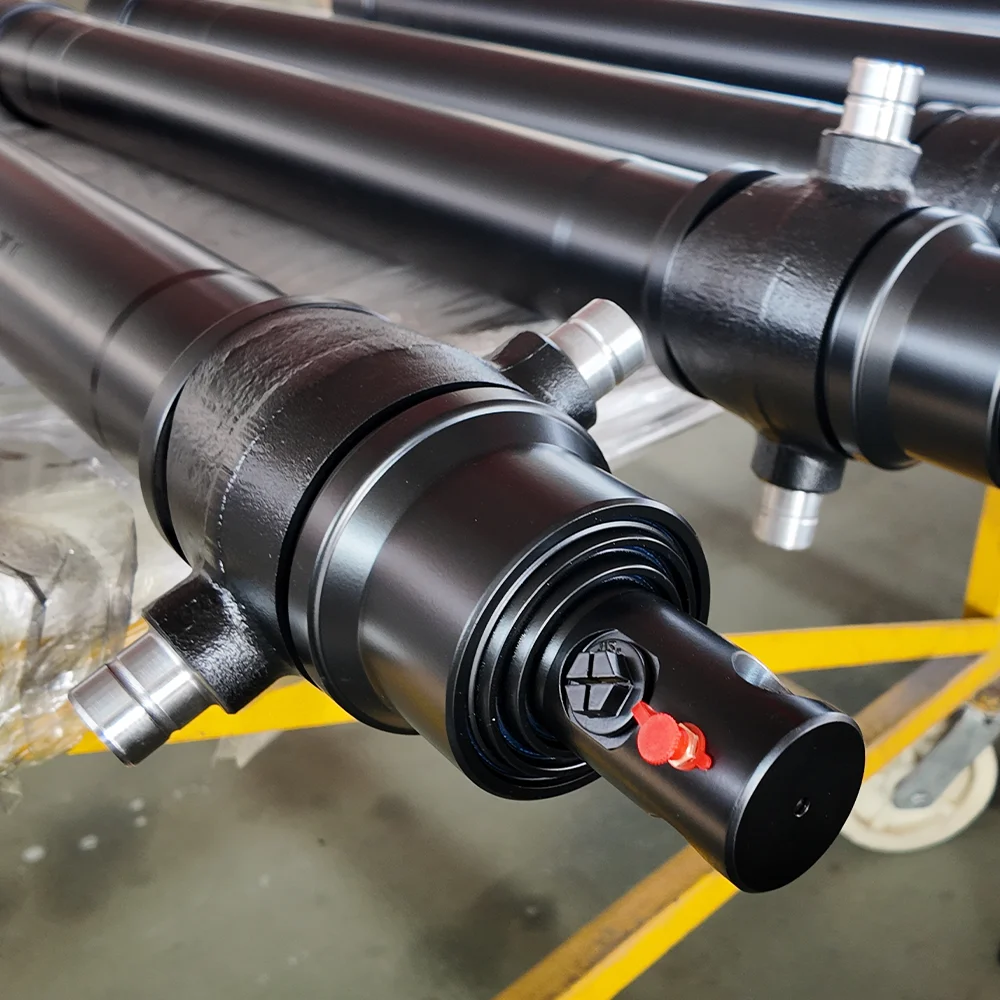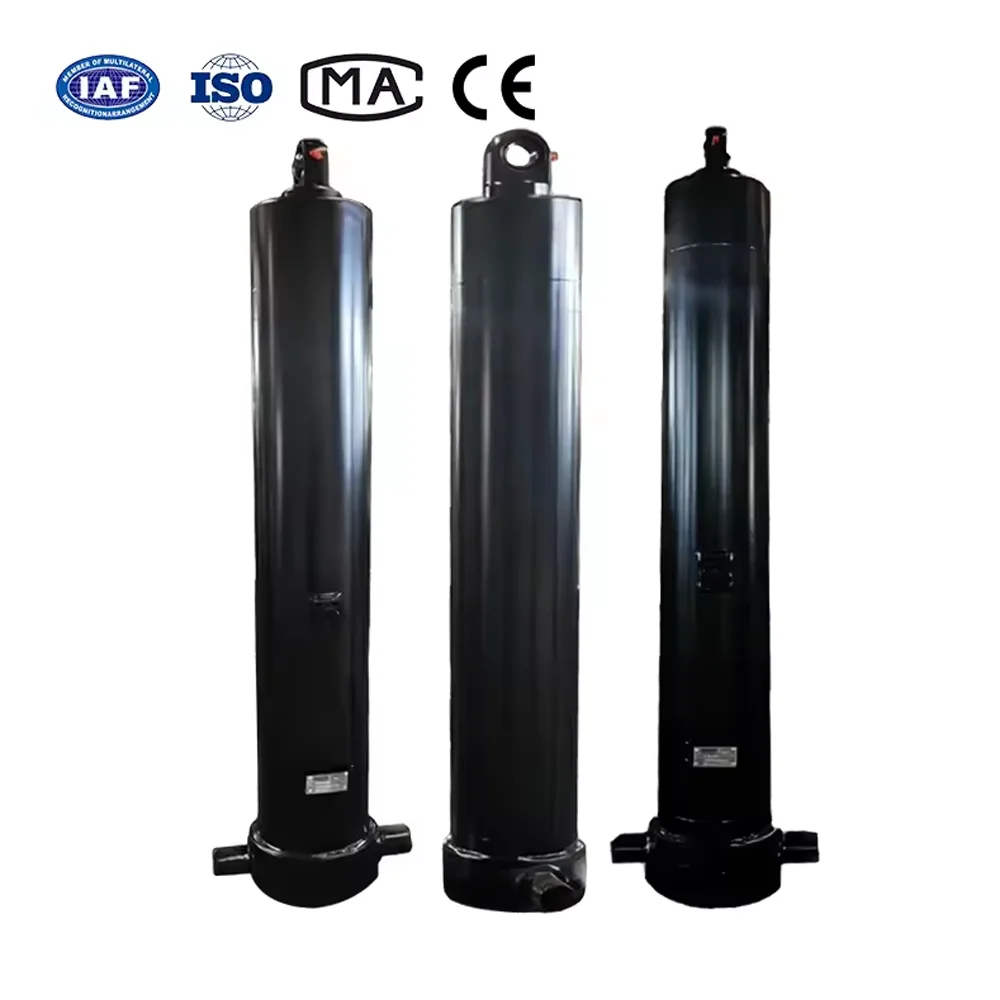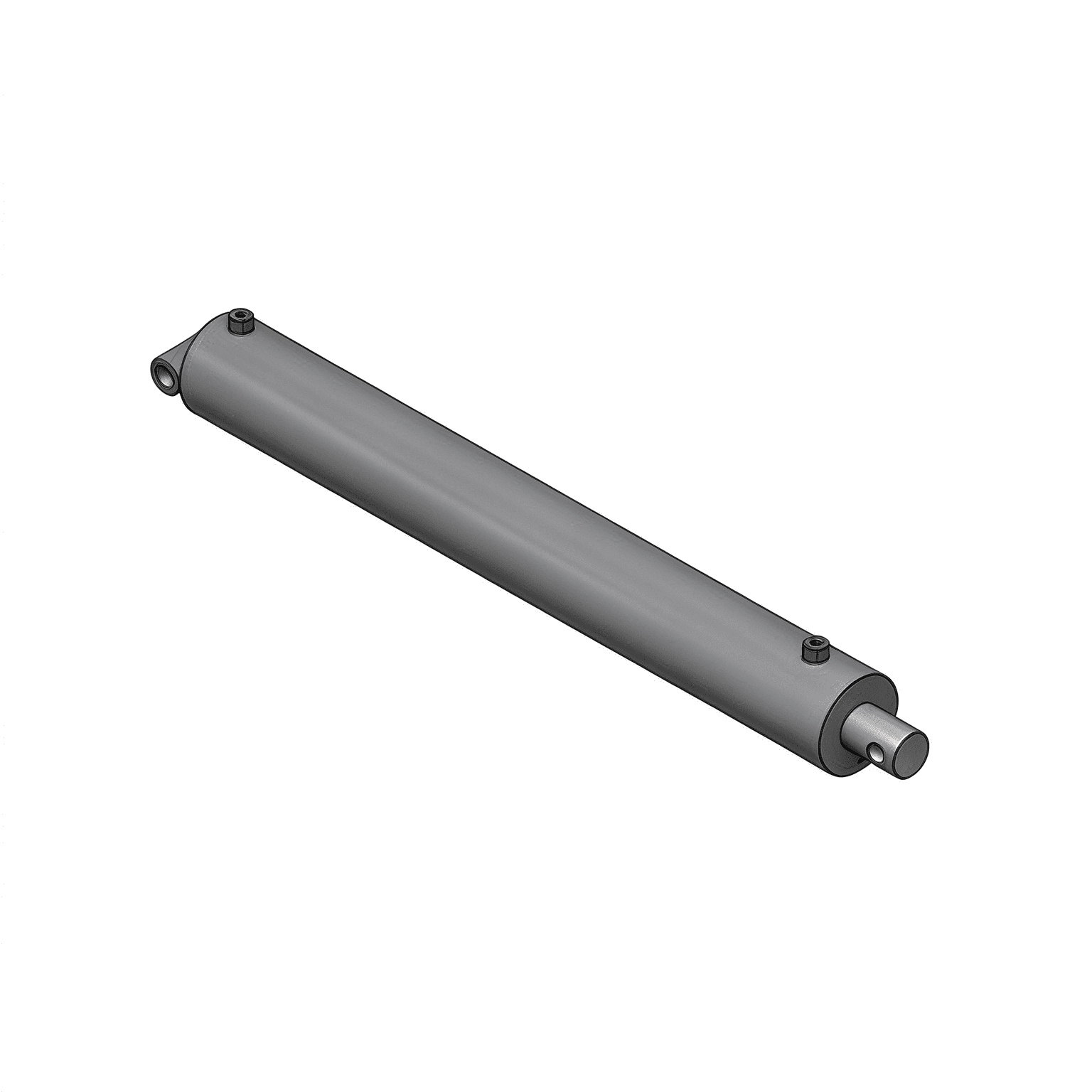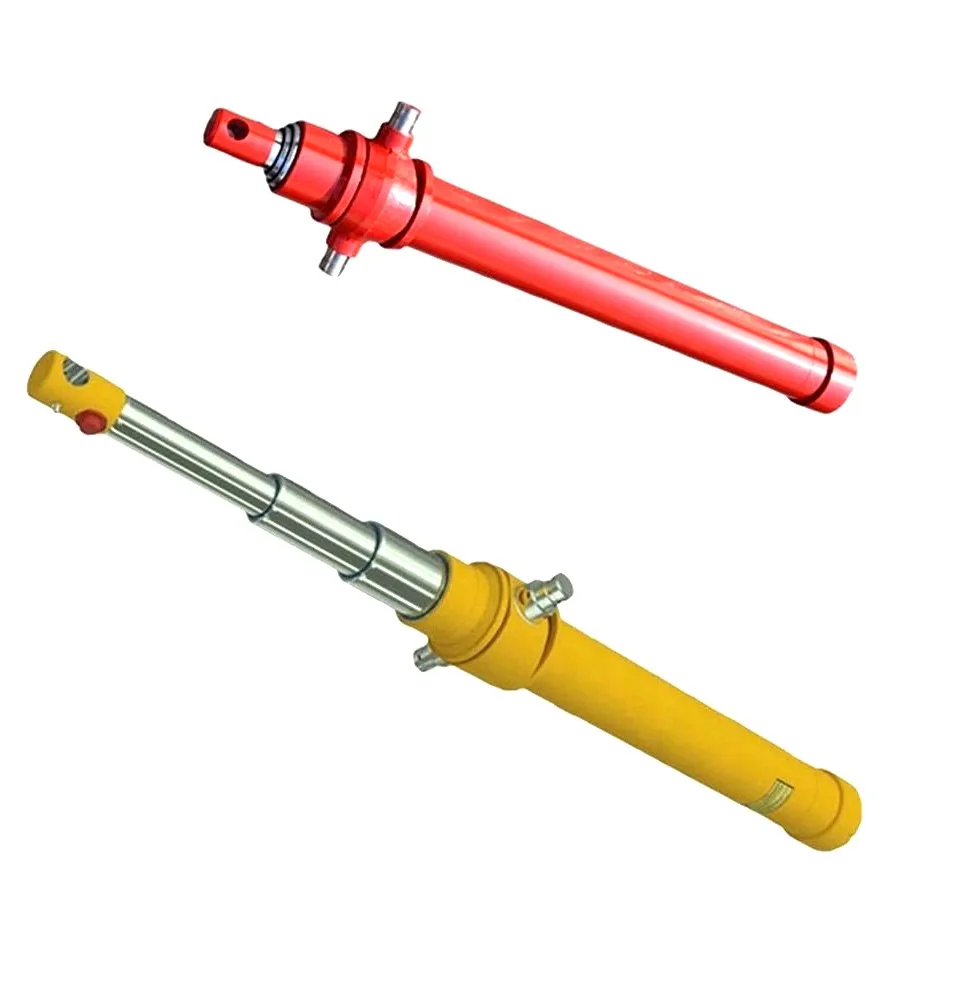
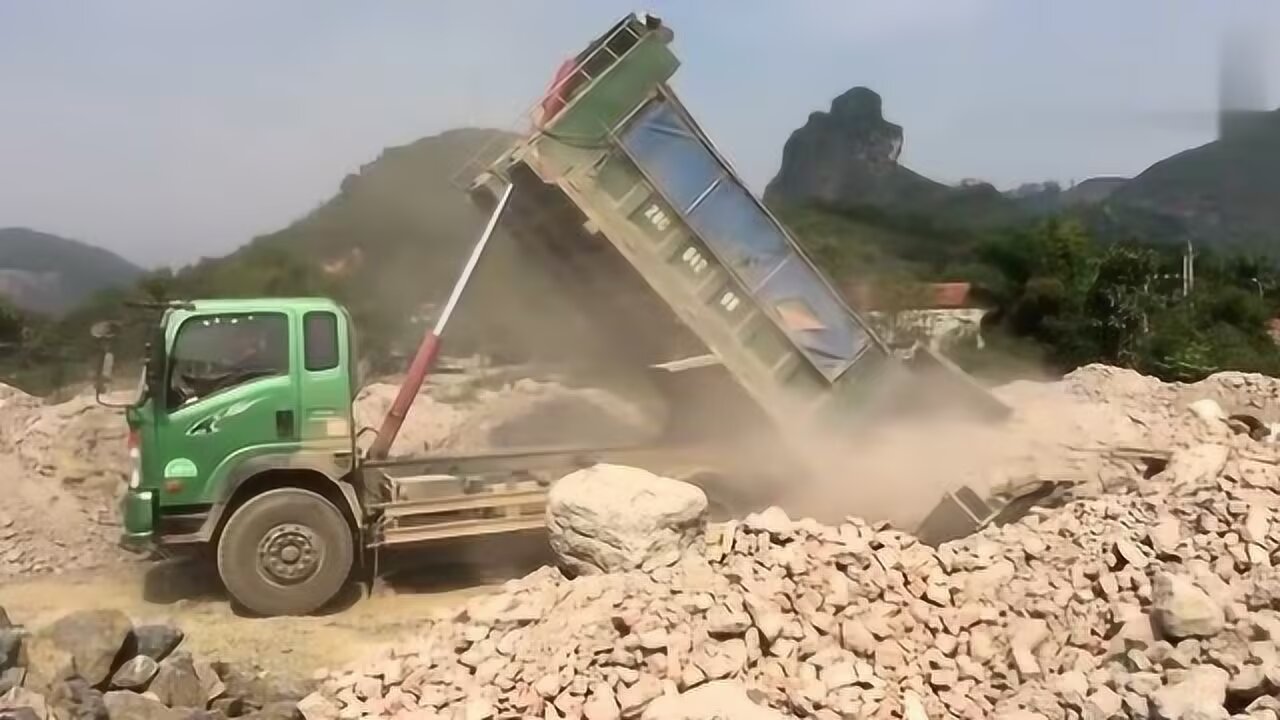
HCIC is a professional hydraulic manufacturer, and let me tell you—nothing kills a workday faster than a blown seal on a lift cylinder. These cylinders aren’t just lifting dirt; they’re hefting 50+ tons of rock, ore, or rubble, day in and day out, through dust storms, mud, and temperatures that swing from 55°C in the summer to -25°C in the winter. Generic seals don’t stand a chance here. That’s why at HCIC, we design specialized sealing systems for dump truck cylinders—because we know it’s the only way to keep your trucks moving and avoid costly downtime.
Let me walk you through what these cylinders face every shift:
Last month, I was called out to a mine where a dump truck’s lift cylinder had failed mid-shift. The problem? A generic O-ring that couldn’t handle the 70-ton load. When the driver lowered the bed, the sudden pressure spike squeezed the seal into the gap between the piston and barrel, tearing it apart. We lost 4 hours of production fixing that leak—and that’s a common story. Generic seals just can’t handle the shock of heavy loads, which is why HCIC’s sealing systems use anti-extrusion backup rings to prevent this exact failure.
Mines and construction sites are full of abrasive grit that sticks to the piston rod. Every time the cylinder extends and retracts, that grit gets dragged into the cylinder. I’ve seen standard dust seals with a single lip that can’t scrape off gravel, so it gets trapped inside, scratching the rod seals and wearing down the barrel walls until hydraulic fluid leaks everywhere. It’s like running a sandpaper against your seals all day—they don’t last. HCIC’s dust seals use a double-lip, spring-loaded design that scrapes every last particle off the piston rod before it can enter the cylinder.
I’ve worked in the Arizona desert where summer heat turns regular rubber seals into goo, and in the Rockies where winter cold makes them so brittle they crack. Either way, they lose their ability to seal. Last winter, a fleet I was maintaining had 3 cylinders fail in a week because their generic NBR seals froze solid overnight. We switched to HCIC’s FKM seals that stay flexible down to -30°C, and the problem stopped.
A single dump truck can do 60+ lift-lower cycles a day. That means the seals are rubbing against the cylinder walls for 10+ hours straight. Generic seals wear out in 2-3 weeks under that kind of friction, forcing you to shut down for replacements. I once had a client who was replacing seals every 2 weeks on their fleet of 15 trucks—until they switched to HCIC’s specialized PU seal system that lasted 6 months.
Specialized sealing systems are built by people who’ve been in the field—they know what these cylinders need:
• Materials That Survive the Beatdown
Primary seals use polyurethane (PU) or PTFE for unbeatable wear resistance—they can handle 100+ tons of load without tearing. Auxiliary seals use FKM or NBR to stay flexible in extreme temperatures, and dust seals have a double-lip, spring-loaded design that scrapes every last particle off the piston rod before it can enter the cylinder.
• Structures That Prevent Damage
These systems use a full package of rod seals, piston seals, and dust seals to create a barrier. Anti-extrusion backup rings stop seals from getting squeezed into gaps, and buffer devices at the cylinder ends soften the piston’s impact. It’s not just a single seal—it’s a system that works together to keep the cylinder running.
• Precision Machining That Extends Life
The cylinder barrels are honed to a mirror-smooth finish (Ra 0.2–0.4μm) so there’s less friction, and piston rods are hard-chromed to resist scratches. Every part fits perfectly, so the seals don’t have to work harder than they need to.
At the end of the day, a specialized sealing system isn’t an extra cost—it’s an investment. I’ve seen fleets cut seal replacement costs by 70% and reduce downtime by 50% by switching to HCIC’s systems. If your business depends on keeping dump trucks moving, don’t waste money on generic seals. Go with HCIC’s specialized system that’s built to survive the real world.For More details please email us "davidsong@mail.huachen.cc" or google search "HCIC hydraulic"