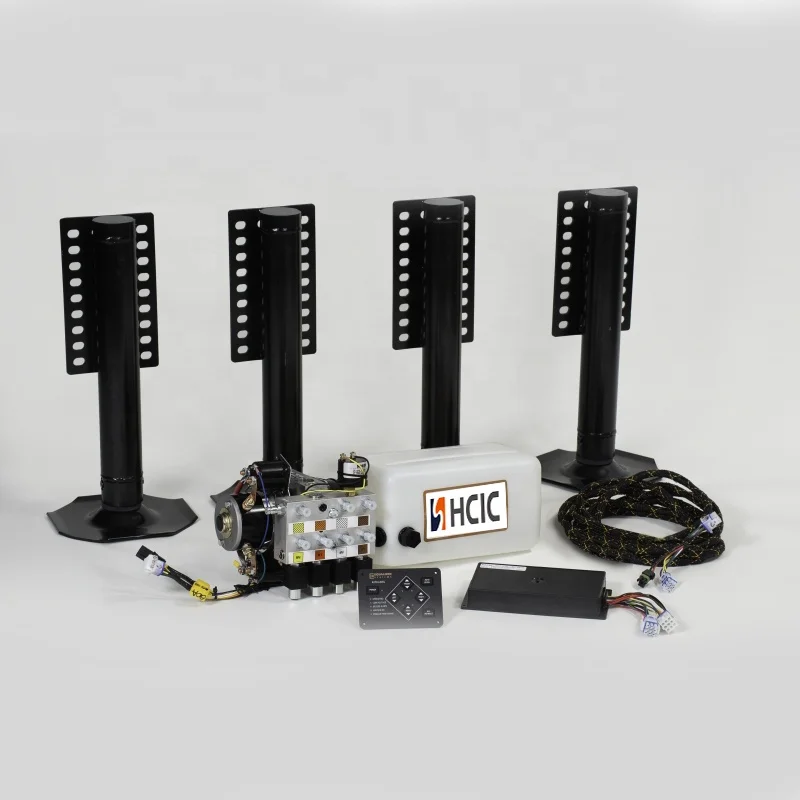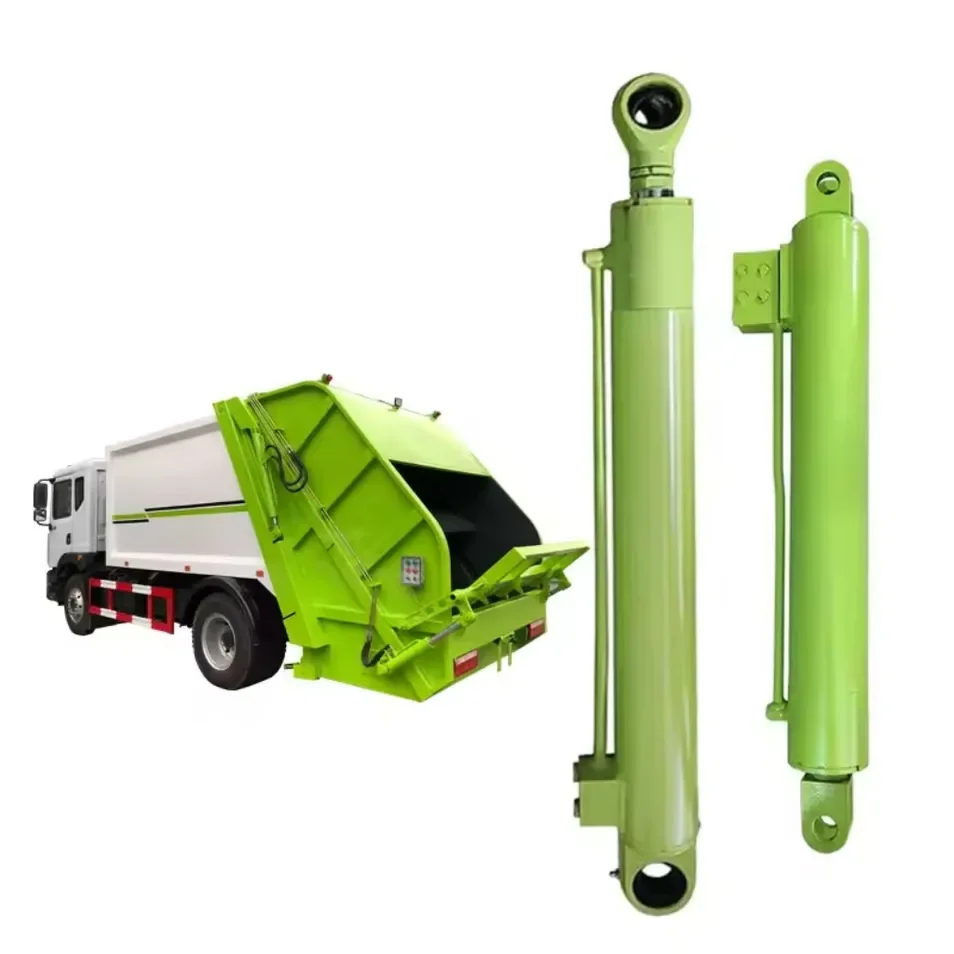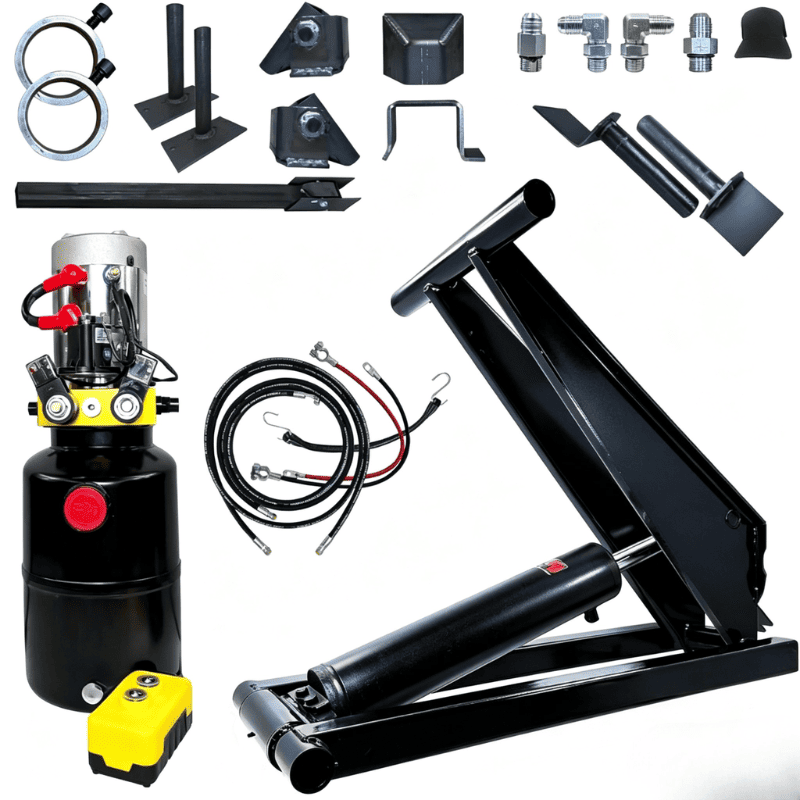
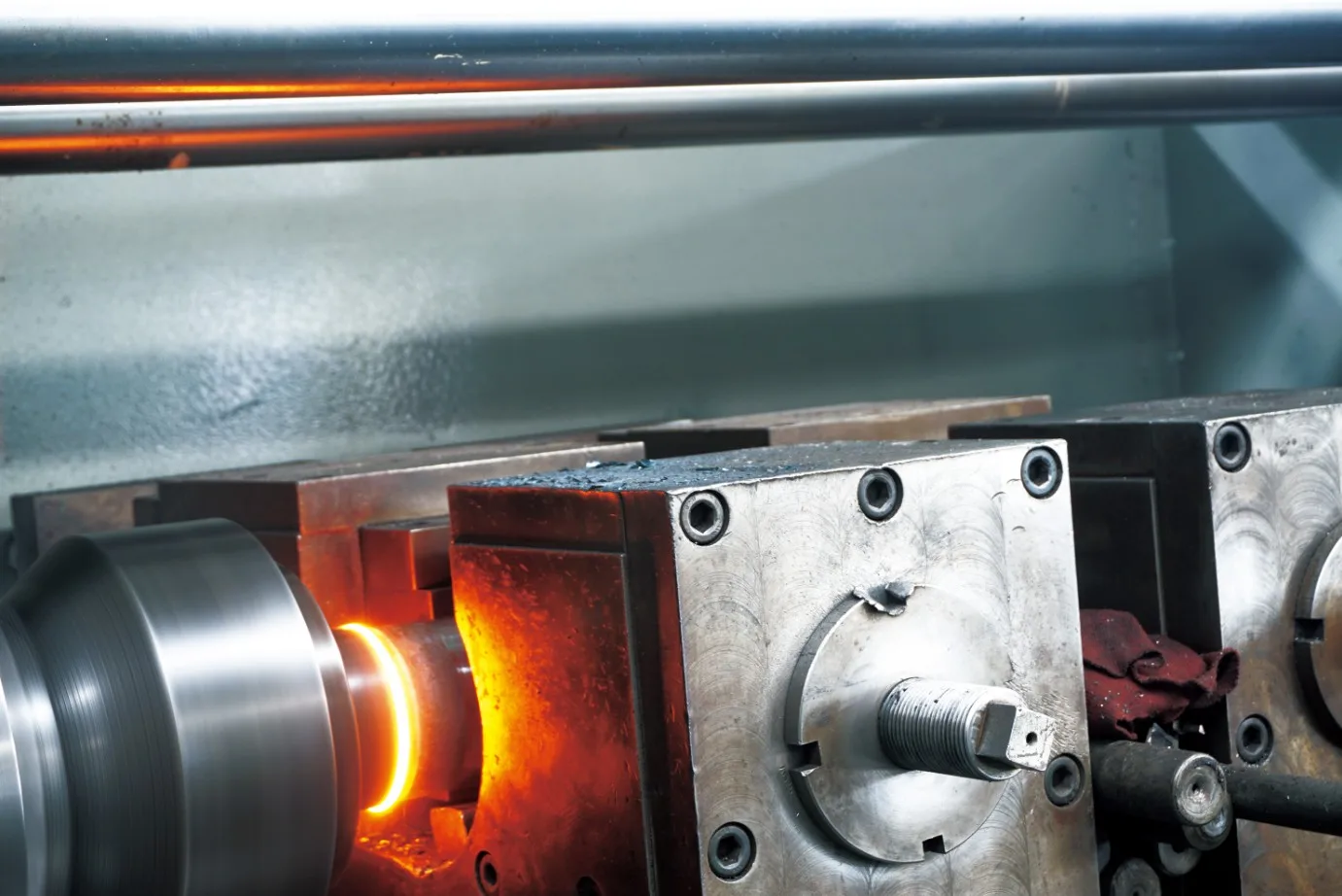
HCIC hydraulic cylinders:single-acting,double-acting,telescopic,tie rod variants-deliver custom-built,hard =-wearing performance for heavy machinery and industrial applications.
HCIC shares 10hydraulic cylinder failure causes,warning signs and pro prevention tips to cut downtime and boost equipment reliability.
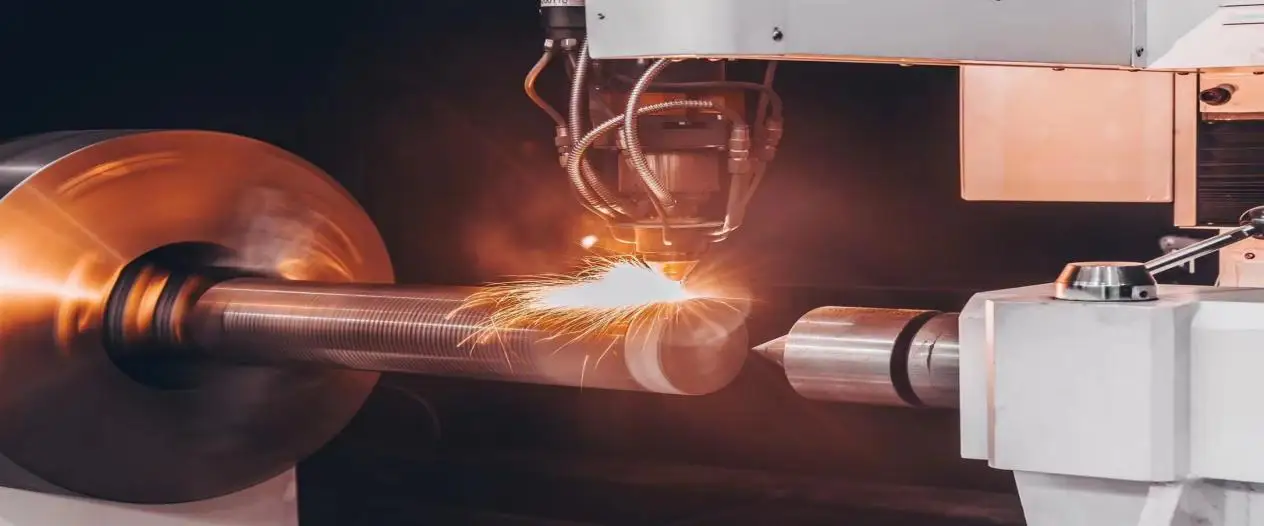
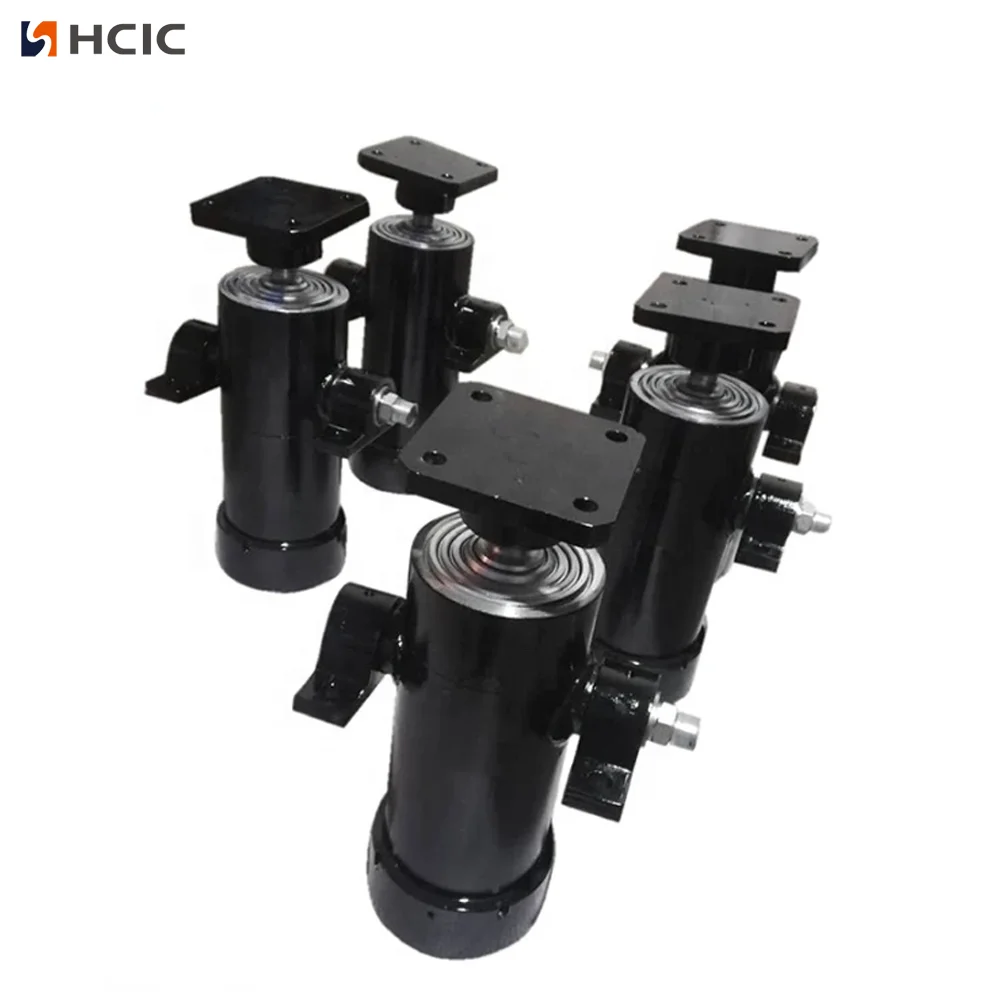
HCIC Double-acting Multi-stage Hydraulic Cylinders: Tech upgrades boost global procurement appeal. Lightweight, customizable models meet heavy-equipment demands, driving market growth.
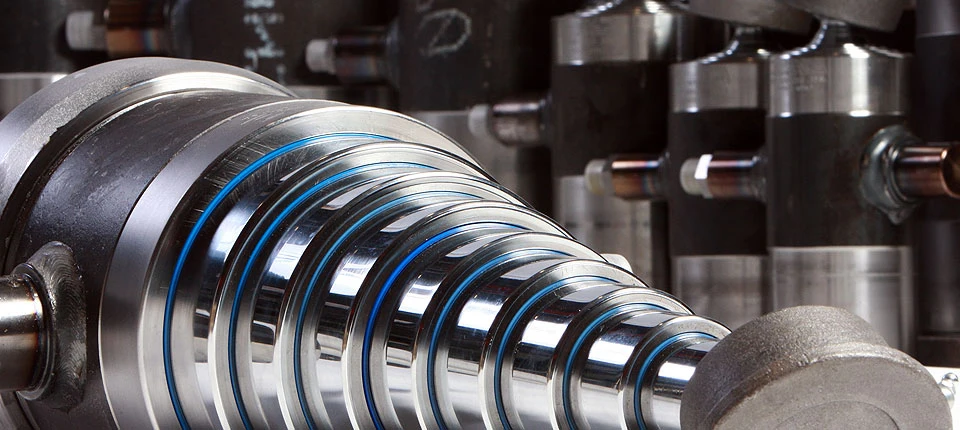
Double-acting Multi-stage Hydraulic Cylinders: Core Driver for Hydraulic Industry Growth. Customized, high-pressure, durable models meet global heavy-equipment procurement demands.
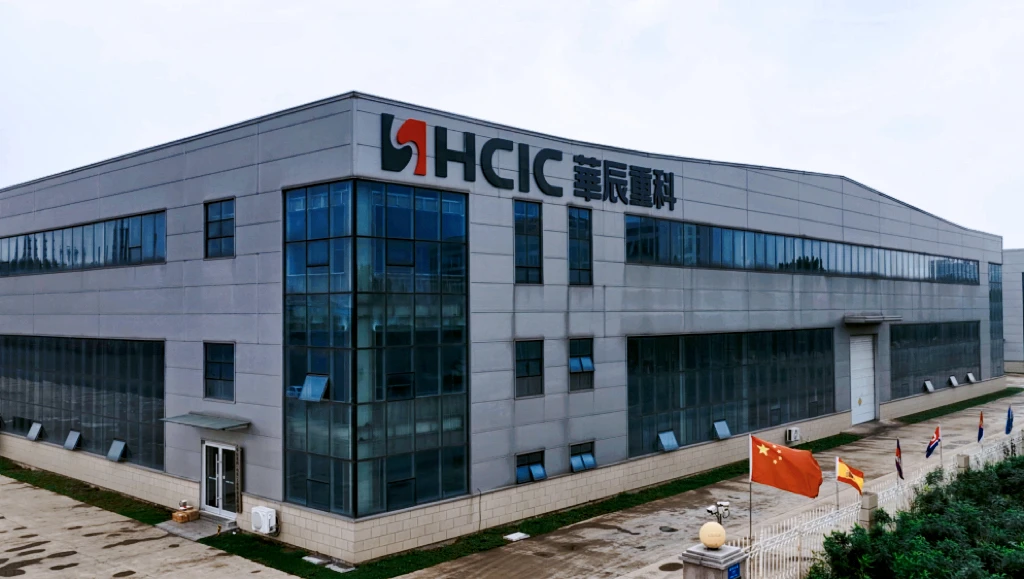
HCIC custom hydraulic cylinders, featuring smart energy-saving & extreme-environment adaptability, are ideal global procurement choices for construction/agricultural machinery buyers seeking tailored, high-performance hydraulic solutions.