
As of 2026, the global low-altitude economy has exceeded $58 billion, with industrial drones becoming total workhorses—especially in agriculture, logistics, and power inspection. Let’s start with farms: a buddy who runs a 2,000-acre corn and soybean farm in Iowa told me last summer that his new spray drones were supposed to save time, but instead, they were costing him money. The standard 2.2kg hydraulic cylinders on the drones cut flight time from 50 to 35 minutes, so each drone could only cover 15 acres before needing a battery swap. That meant his team of 3 had to stop every hour to charge, falling 20 acres short of their daily 50-acre target.
When the farm’s tech team reached out to HCIC, they had another issue too: the spray was all over the place. Because the standard cylinder’s thrust fluctuated by 3% or more, some parts of the cornfield got 1.2ml of pesticide per square centimeter (way too much—risking runoff into the nearby creek) while the soybeans got only 0.6ml (not enough to kill the aphids that were eating the leaves).
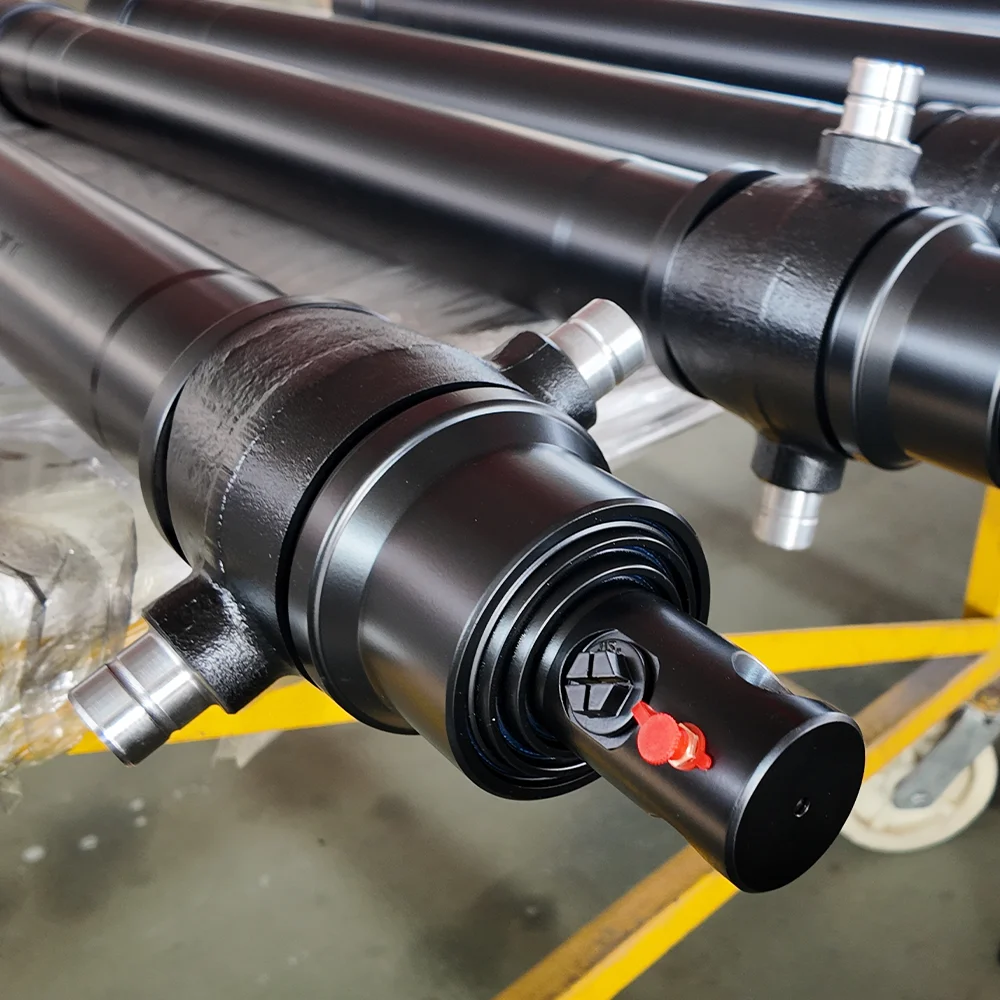
HCIC’s engineers didn’t just pick a lighter metal and call it a day. They tested three different aluminum alloys—6061, 7050, and 7075—before settling on 7075, which is strong enough to handle the drone’s 8kg payload but light enough to cut weight. Then they used 3D printing to make a hollow piston rod, which knocked the cylinder weight down to 1.5kg. When the farm tested the new parts, flight time went back up to 45 minutes, and each drone could cover 20 acres—suddenly, the team was hitting their 50-acre target with time to spare.
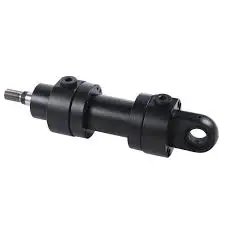
For the thrust problem, the engineers swapped out the cheap generic seals for FKM seals (which don’t break down when they touch pesticide) and tightened the machining tolerance from 0.05mm to 0.02mm. They also added a tiny pressure relief valve tuned specifically for the drone’s payload. Now, even as the pesticide tank empties, the thrust stays consistent—fluctuation is under 1%. The farm’s latest report said they’re using 25% less pesticide, and the soybeans aren’t getting eaten anymore.
Over in Berlin, a small delivery startup had a different headache: their 3kg payload drones’ cargo forks kept jamming in the winter. When it got below -5°C or rained, moisture seeped into the standard hydraulic cylinders, and the forks would get stuck halfway out—meaning missed deliveries to apartment balconies. HCIC’s team designed a cylinder with a double-lip seal (instead of the single-lip ones the startup was using) and a stainless steel outer casing to keep water out. They also tweaked the oil flow rate, so the forks extend and retract in 0.3 seconds instead of 0.5. The startup tested the new hydraulic cylinders in a snowstorm last December—500 cycles, no jams. Now they’re doing 200+ deliveries a day without issues.
For a power utility in Gansu, China, wind was the enemy. Their inspection drones fly over 50km of high-voltage lines every week, but in 12m/s winds, the gimbals would shake so bad that photos of the lines were blurry. They missed a 0.5mm crack once, which led to a 4-hour outage. HCIC’s solution? A custom steering cylinder with a micro-gearing system—each tooth is only 0.01mm apart, so the gimbal locks in place with 0.15-degree precision. The engineers tested it in a wind tunnel at 15m/s (stronger than the worst winds in Gansu), and the camera stayed steady. Now the utility’s drones can inspect 80km of lines a week, and they haven’t missed a crack since.
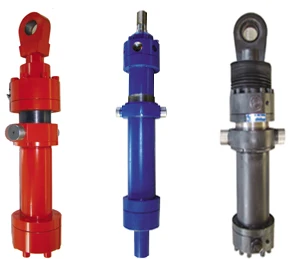
What I like about HCIC’s process is that they don’t just sell parts—they listen first. For the Iowa farm, they asked about pesticide types and weather (hot summers, occasional thunderstorms), so they added an IP67 coating to the cylinders to keep rain out. For the Berlin startup, they needed fast turnaround, so HCIC reused some tooling from a previous project to cut prototype time to 10 days. For Gansu, they studied the wind patterns and tested the cylinders in real wind instead of just a lab.
Every hydraulic cylinder gets a serial number, so if something goes wrong, you can trace it back. And they don’t just stop at testing—they follow up. The Iowa farm said the cylinders have held up for 3 years, which is twice as long as the standard ones. The Berlin startup just ordered more for their new fleet of drones.
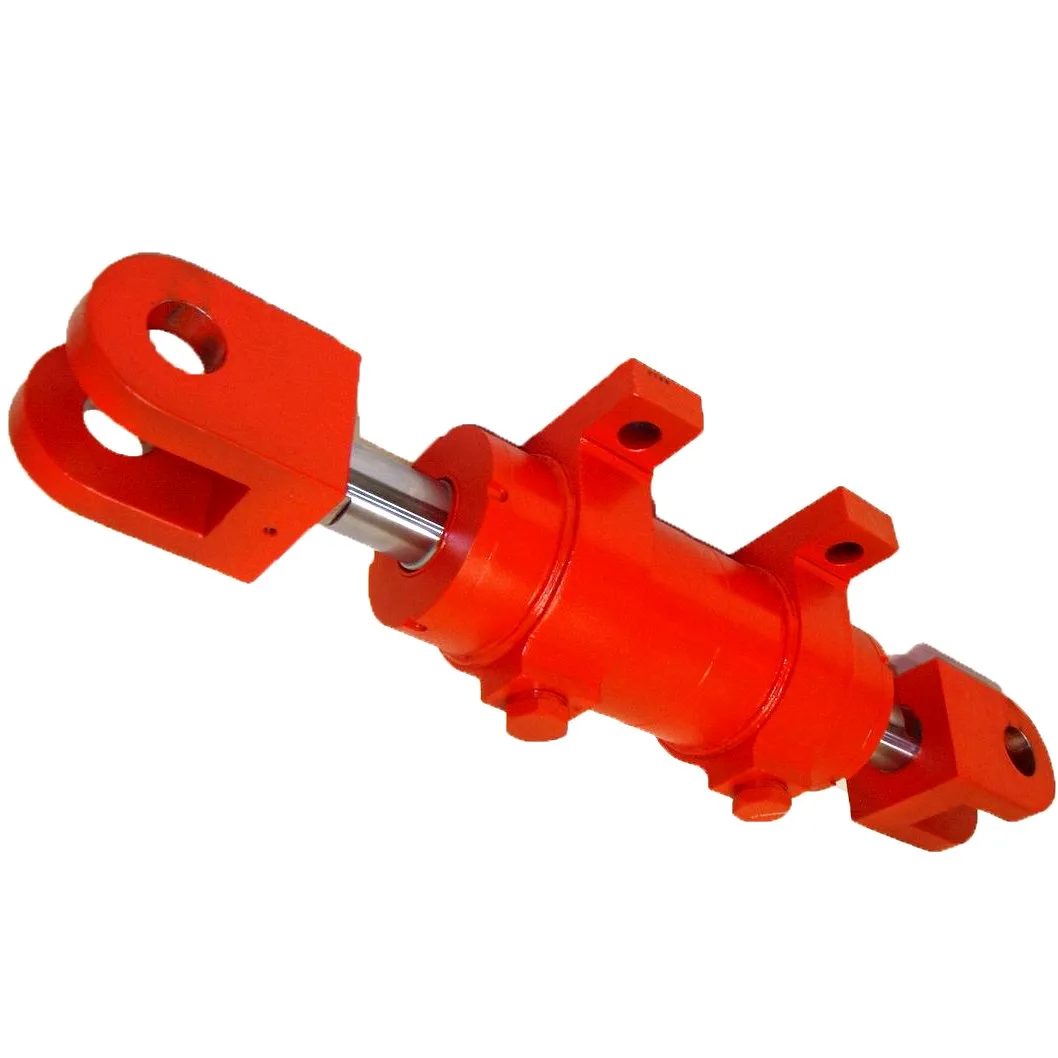
At the end of the day, drone companies don’t need “one-size-fits-all” parts. They need parts that fit their specific problems—whether it’s cornfields in Iowa, snow in Berlin, or wind in Gansu. HCIC’s custom hydraulic cylinders don’t just fix those problems—they make the drones work better than anyone thought possible.
HCIC is a professional hydraulic manufacturer, mainly engaged in hydraulic system design, manufacture, installation, transformation, commissioning and hydraulic components brand sales and technical services.We hope that our product can help to save your cost and improve your quality. For More details please email us "davidsong@mail.huachen.cc" or google search "HCIC hydraulic"