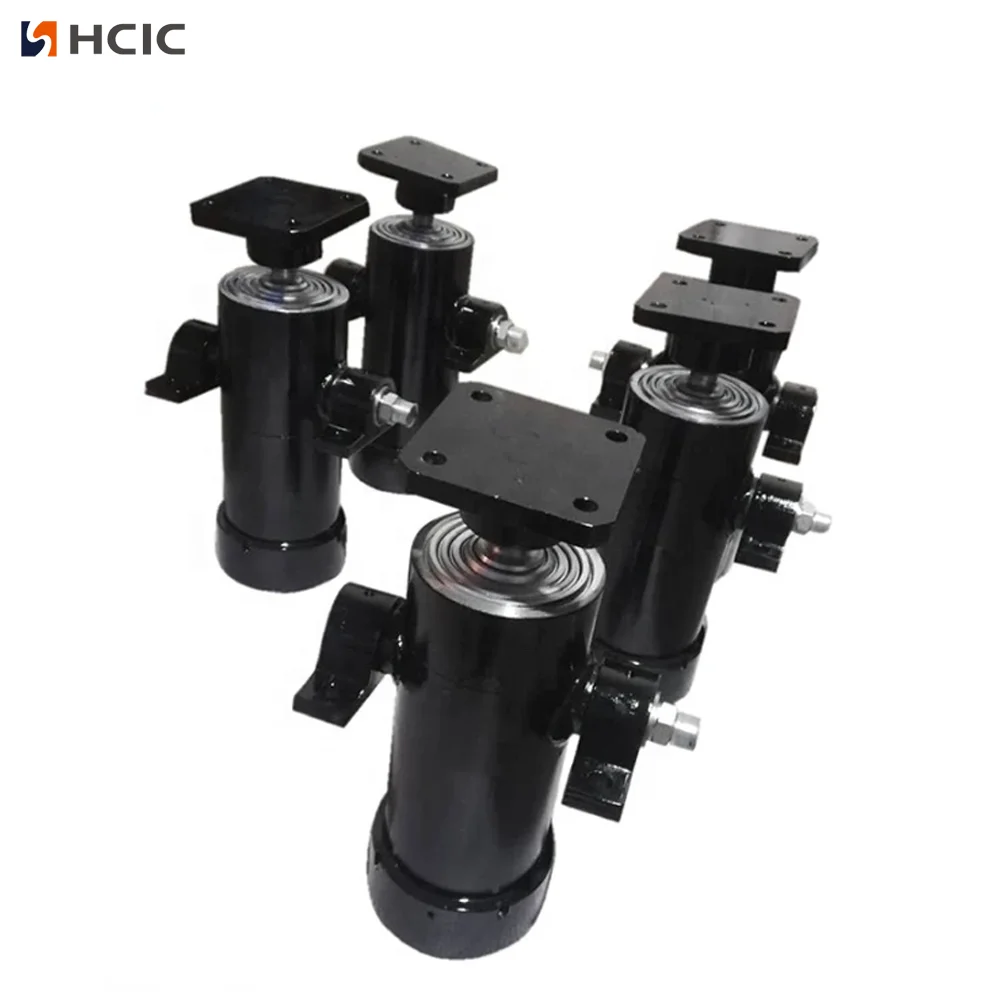
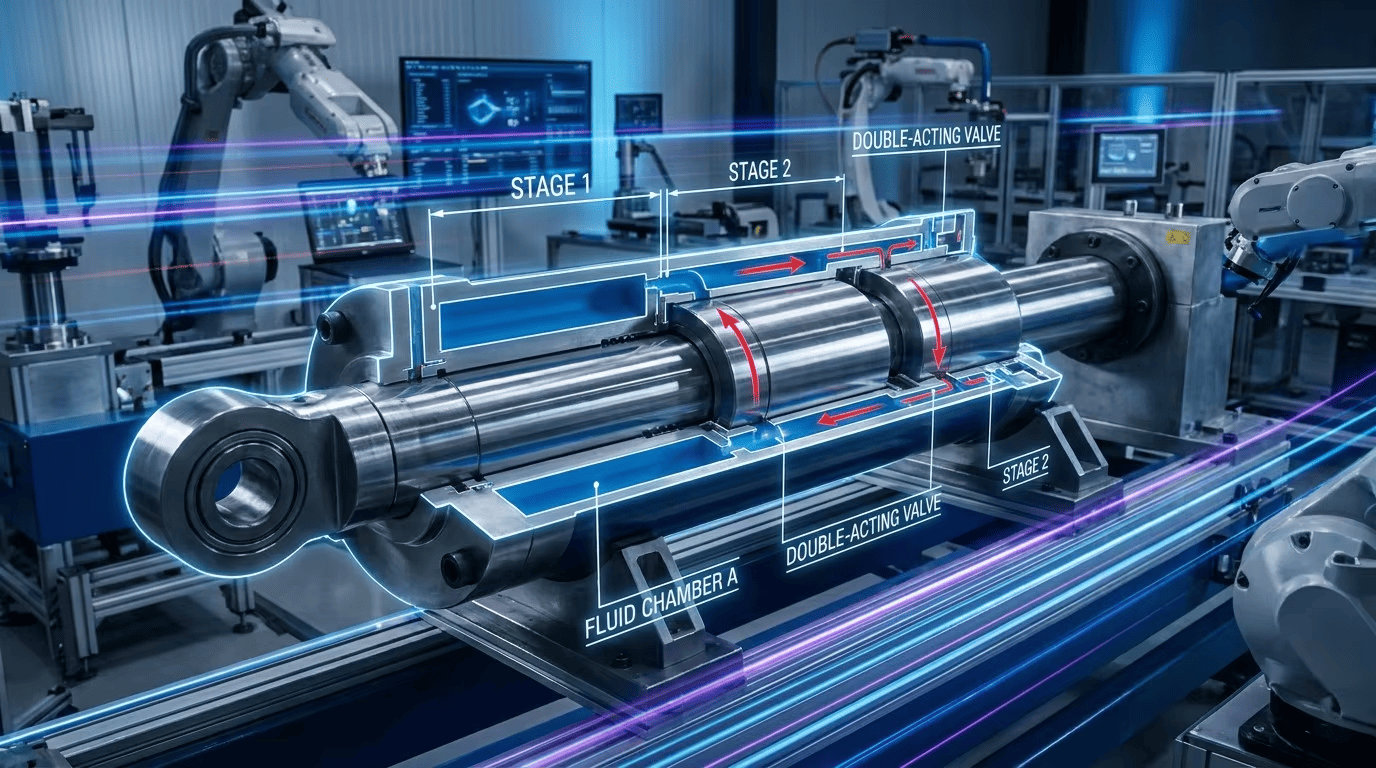
Standard single-rod cylinders are straightforward, but multi-stage telescopic setups are a different beast. When you push double-acting multi-stage hydraulic cylinders hard in heavy waste packers or dump bodies, the physical transition between stages creates massive, instantaneous pressure jumps. If your internal porting isn't designed to handle these sudden differentials, internal bypass leakage is practically guaranteed. Our team at HCIC solves this by precision-machining the oil transfer paths and velocity dampers. This keeps expansion forces perfectly linear across every single sleeve, saving the cylinder barrels from early structural fatigue.
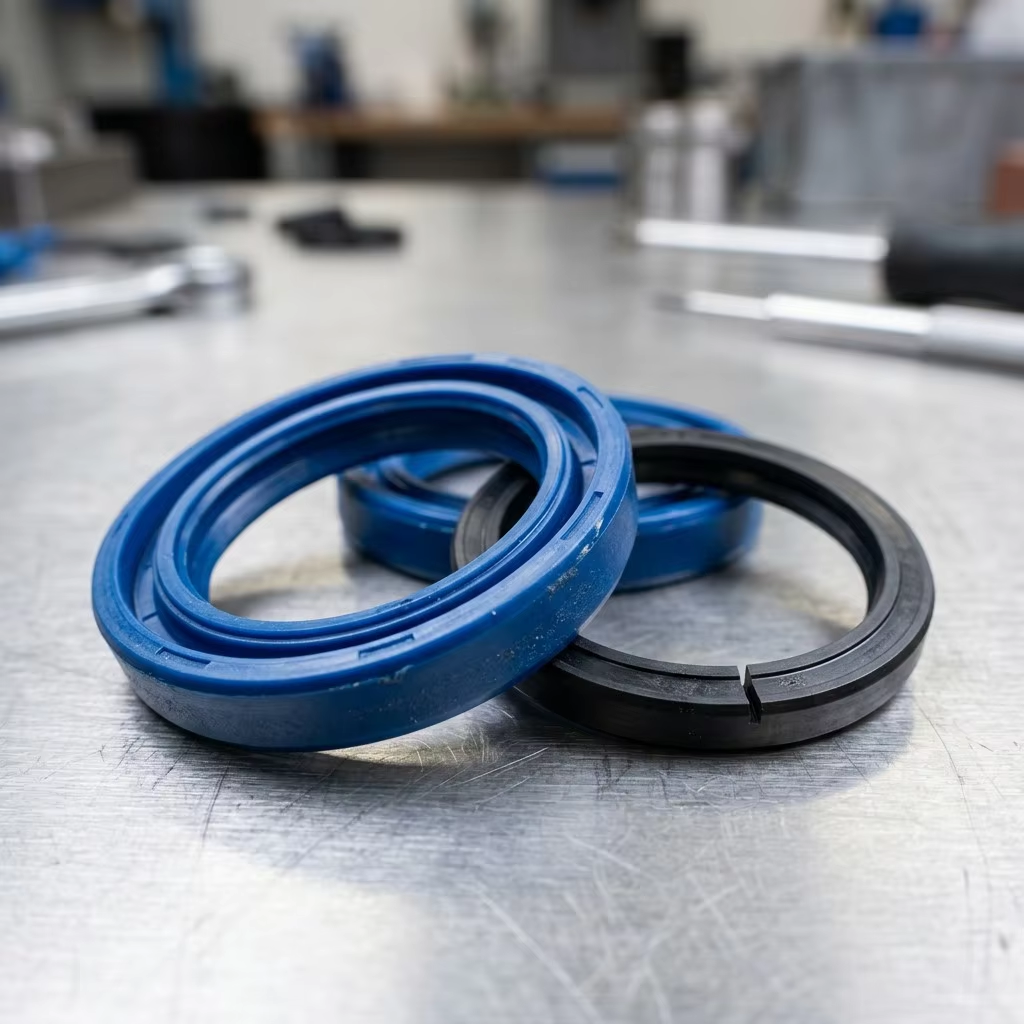
Extreme heat and fluid pressure kill seals. This is especially true during high-speed retraction phases where the inner sleeves slide back at higher velocities. Most premature field failures trace back to a generic seal compound literally cooking under high-frequency operational friction. We don't use standard catalog seals for severe duty. Instead, our custom hydraulic cylinder engineering protocol deploys a split-material layout. We use premium, high-durometer Polyurethane (PU) to take the raw scraping abuse at the primary barrier, then back it up with custom-filled PTFE slide rings. This stops the dreaded stick-slip shudder dead in its tracks and prevents the seal lips from chewing themselves to pieces under 10,000 psi peak spikes.优化逻辑:使用 kill seals, cooking, chewing themselves to pieces
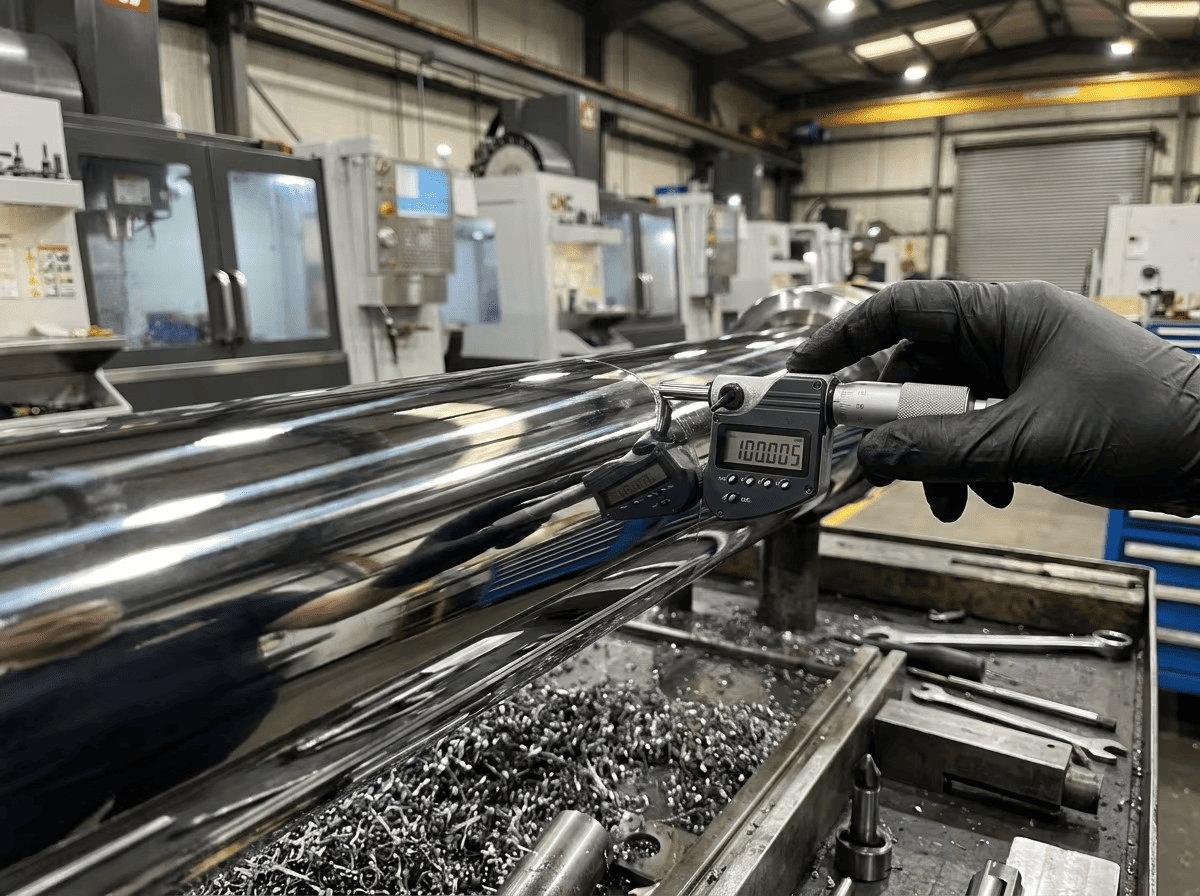
A microscopic error in gland tolerances will ruin a high-dollar cylinder project. When the internal rod gland or piston housing is even slightly out of spec, variable shock loads cause the elastomeric seals to flex and deform—a phenomenon field techs call seal "breathing." This constant movement triggers rapid, un-trackable wear. To block this, HCIC holds raw cylinder bores to strict honing tolerances and applies hard chrome plating with a specific micro-inch cross-hatch finish. This precise texture acts like a microscopic reservoir. It holds just enough oil film to keep the seal lips fully lubricated without letting a single drop bypass the rod wiper, no matter how harsh the environment gets.
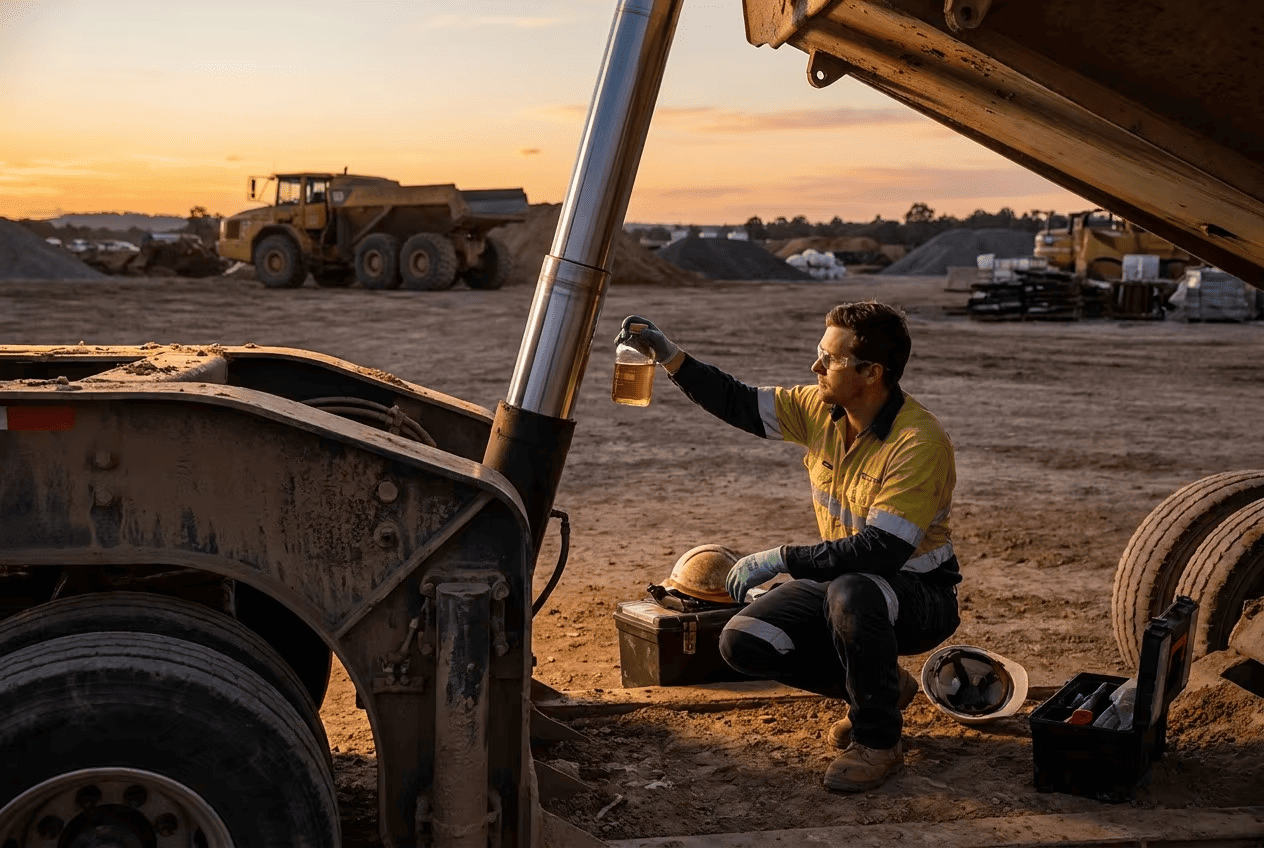
To keep a multi-stage setup working for years, you have to look past the oil dipstick. The real threat hides on the exposed surfaces of the extended rods. Rock chips, flying grit, and site debris inevitably cause tiny pits or scores on the chrome layer. Once that smooth outer surface is compromised, it acts exactly like a metal file, physically shredding your sealing rings during every single retraction stroke. Regular telescopic cylinder seal maintenance means tracking these surface imperfections early. We highly recommend setting up a strict oil analysis routine to monitor particulate counts under ISO 4406 standards, because microscopic grit will destroy a high-pressure system long before the oil looks dirty to the naked eye.优化逻辑:用 look past the oil dipstick.
Buying a hydraulic cylinder isn't just about matching baseline dimensions on a generic datasheet. It’s about matching the internal engineering to the actual field abuse the equipment will take. At HCIC, we’ve spent two decades refining how fluid behaves under extreme, high-stress industrial conditions. If you are designing a new trailer setup or trying to fix an unreliable fleet layout, bring your technical specs to our engineering team. We will help you build a multi-stage solution that actually lasts.