
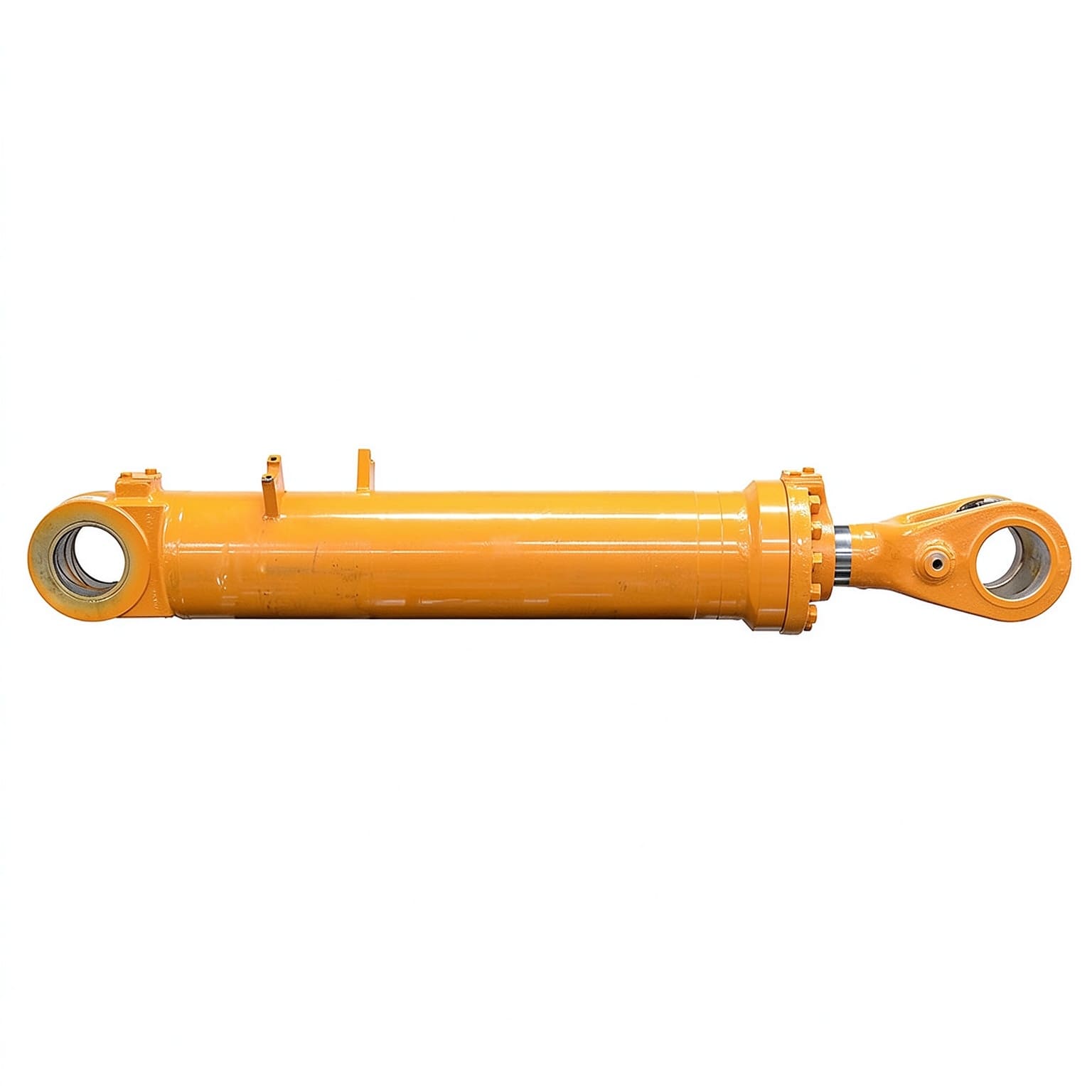
Over the past three years, heavy machinery repair shops across North America and Europe have reported a sharp increase in premature rod gland weeping on excavators, wheel loaders, and compact track loaders with fewer than 1,200 operating hours.
The root cause is not hydraulic pump over-pressurization or abrasive dust contamination. It is extreme thermal heat soak driven by stringent EPA Tier 4 Final and EU Stage V diesel emissions regulations:
Under these severe operating conditions, standard Nitrile Butadiene Rubber (NBR) seals undergo rapid polymer chain breakdown, leading to widespread high temperature hydraulic cylinder seal failure in mobile machinery.
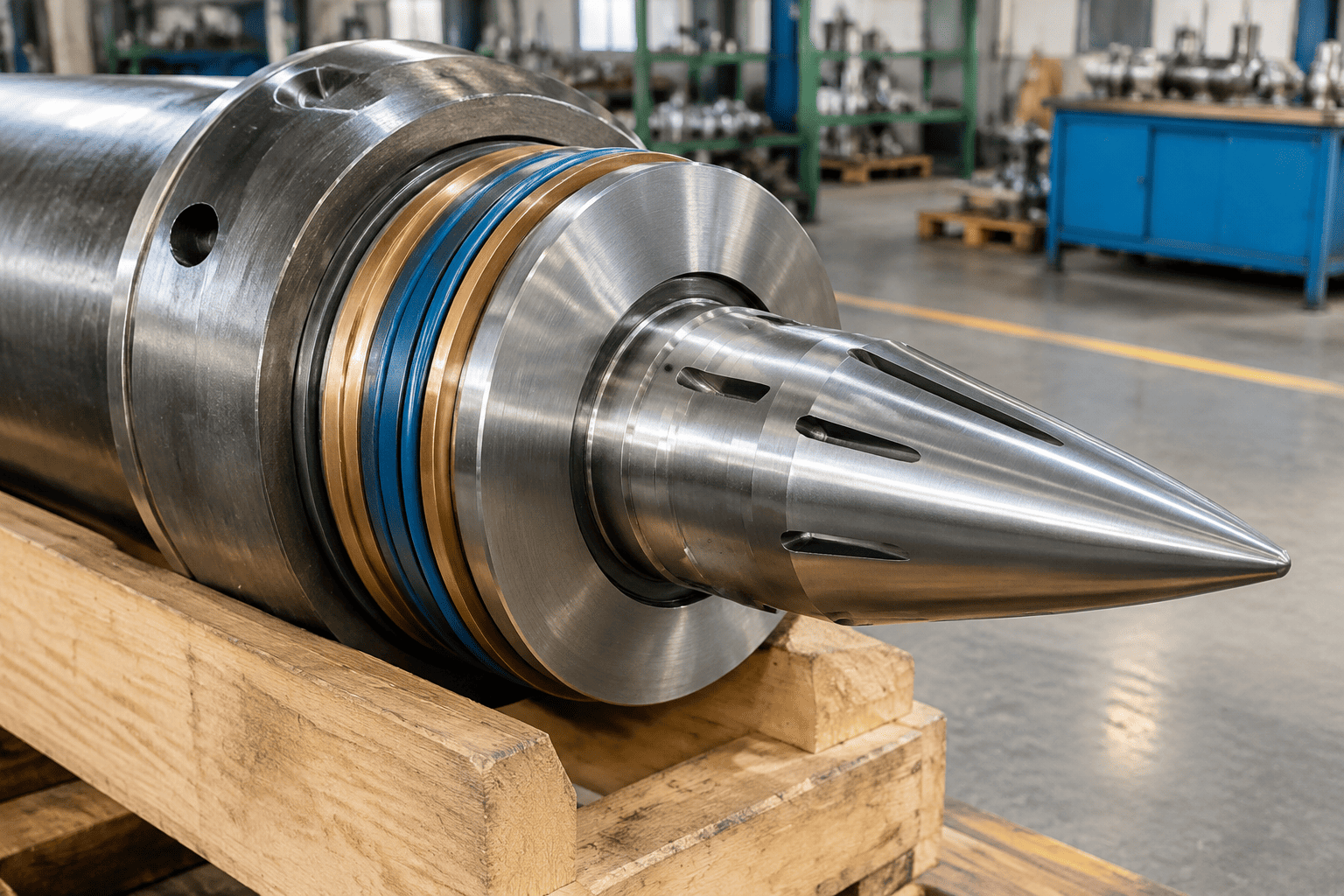
| TIER 4F / STAGE V THERMAL TRAP VS. SEAL DEGRADATION | |
|---|---|
| DPF / SCR Active Regeneration | 650°C Exhaust Skin Temp |
| Heat Transfer | Radiant & Conductive Heat Soak |
| Under‑Hood Ambient Air Pocket | 110°C to 125°C Continuous |
| Hydraulic Fluid Film at Gland | 130°C to 140°C Localized |
| Standard NBR Seal (Rated 90°C) | Fails after 600 Hours: Glass‑Hard & Cracked |
| Upgraded FKM / HNBR Seal (Rated 160°C) | 5,000+ Hours: Elasticity Retained |
When standard NBR (Buna-N) seals operate continuously above their maximum design threshold (90°C to 100°C ), the chemical degradation follows a predictable, destructive pattern:
Heat drives out volatile plasticizers from the rubber matrix. Within 500 to 800 hours, the flexible sealing lip loses its elastic memory and takes a permanent "compression set." When the hydraulic cylinder rod extends and encounters minor micro-vibrations, the flattened seal lip can no longer follow the rod surface, causing immediate low-pressure oil weeping.
Exposure to hot, oxidized mineral oil causes cross-linking of the polymer chains. A seal that began at 80 Shore A hardness hardens to 95+ Shore A, transforming flexible rubber into brittle plastic. As the chrome rod strokes back and forth, the brittle seal lip cracks, micro-chips, and fractures, leaving dark rubber debris inside the cylinder barrel.
To prevent recurring downtime, mobile machinery OEMs and rebuilders are transitioning away from standard commodity nitrile toward high-performance fluoroelastomers and hydrogenated polymers:
| Seal Material Type | Continuous Temp Range | Peak Intermittent Temp | Resistance to Oxidized Hot Oil | Abrasion & Wear Resistance | Relative Material Cost |
|---|---|---|---|---|---|
| Standard Nitrile (NBR) | -30°C to +90°C | +105°C | Poor (Rapid Hardening) | Excellent (When Cool) | 1.0× (Baseline) |
| Hydrogenated Nitrile (HNBR) | -35°C to +140°C | +160°C | Very Good | Superior (Heavy Shock Loads) | 2.5× to 3.0× |
| Fluoroelastomer (FKM / Viton) | -20°C to +200°C | +220°C | Outstanding (Zero Degradation) | Moderate (Needs Backup Rings) | 4.0× to 5.0× |
| Carbon/Bronze Filled PTFE | -60°C to +220°C | +260°C | Impervious to All Fluids | Excellent (Low Friction) | 3.5× to 4.5× |
Fleet managers operating modern Stage V machines in summer quarry, asphalt paving, and forestry applications should implement this 3-step thermal protection protocol:
| Step | Description |
|---|---|
| Step 1 | Oil Cooler Thermal Imaging & Radiator Core De-Silting |
| Step 2 | Gland Retrofit with FKM Fluoroelastomer & PEEK Backups |
| Step 3 | Synthetic High-VI (ISO VG 46 / 68) Hydraulic Fluid Switch |
Thermal Imaging Audit: Use an infrared camera during heavy digging cycles to map hydraulic line temperatures. Identify "hot spot" cylinders operating continuously above 95°C..
Standardize on FKM / HNBR Seal Kits: Ban standard black NBR repacking kits for engine-adjacent cylinders; mandate brown FKM or green HNBR seal sets with serialized inspection tags.
High-Viscosity Index (VI) Synthetic Fluids: Switch to high-VI synthetic hydraulic oils (VI > 160) that maintain sufficient lubricating film thickness at 110°C., preventing boundary friction heating inside cylinder guide bushings.
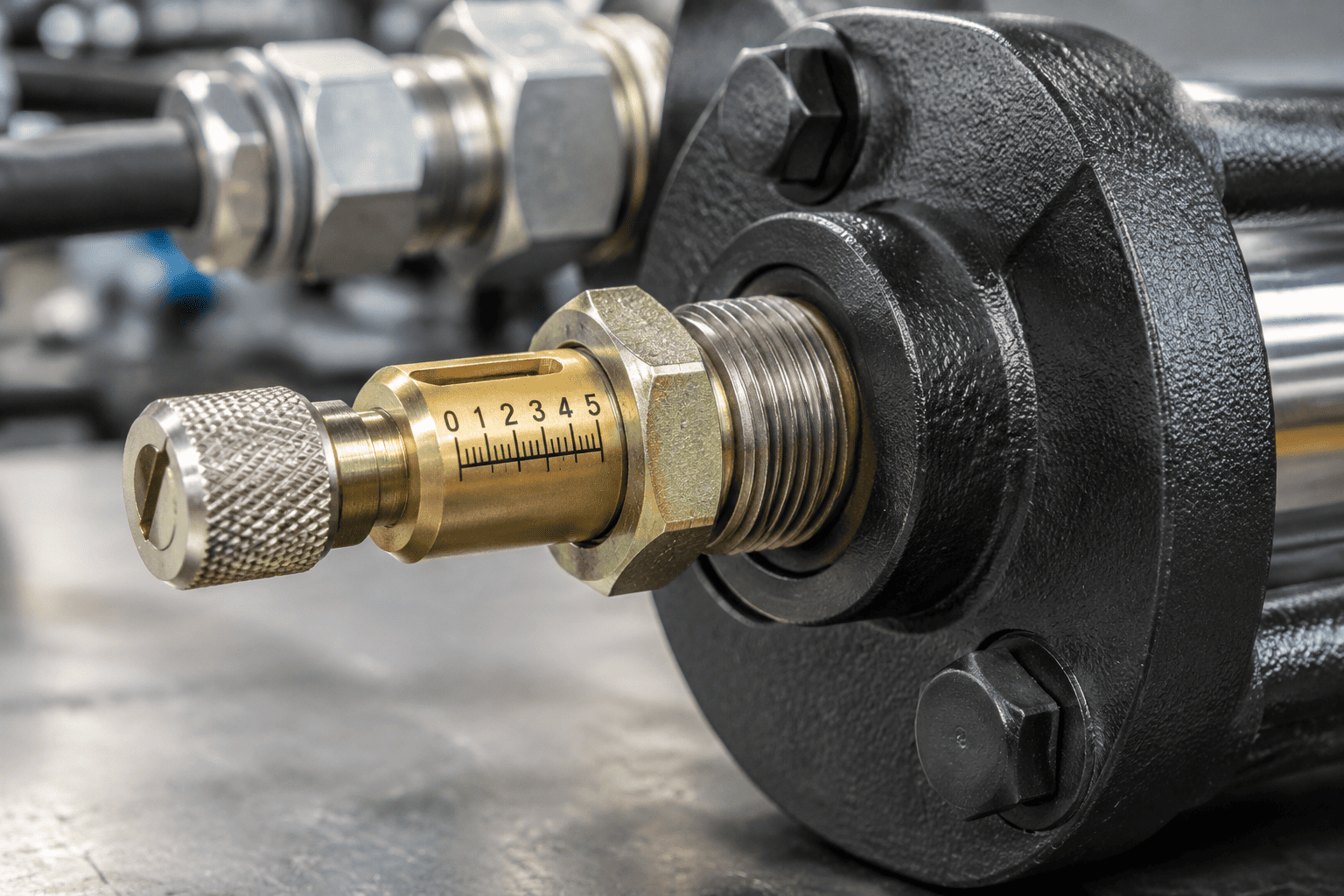
As a specialized fluid power manufacturer supplying global construction and mining OEMs, HCIC engineers custom cylinders designed to thrive in high-heat environments: