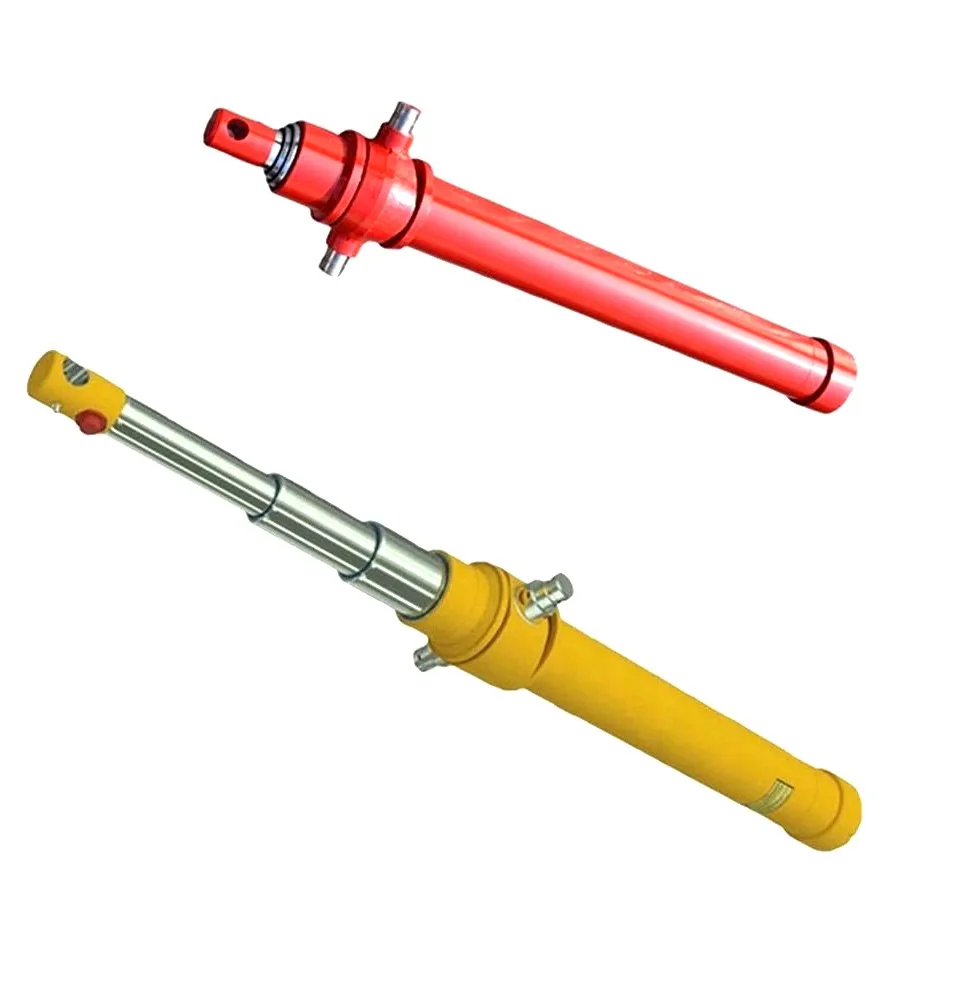
A single-acting vane pump has an eccentrically mounted rotor. The vanes slide in the rotor slots, and the volume of the working chamber changes with the rotation of the rotor to complete oil suction and discharge.
Its biggest advantage: the eccentricity between the rotor and the stator can be adjusted steplessly — this is the core reason for its variable displacement capability.
- Energy Efficiency: Hydraulic cylinders often require different flow rates during extension and retraction. Variable single-acting vane pumps adjust displacement according to system demand, avoiding energy waste caused by fixed displacement pumps.
- Pressure Stability: It can automatically adjust displacement when system pressure changes, ensuring stable operation of hydraulic cylinders (critical for heavy-duty industrial applications).
- Compact Design: Compared with other variable pumps (e.g., plunger pumps), it has a smaller size and lighter weight, suitable for equipment with limited installation space.
- Low Noise & Wear: The vane structure runs smoothly, with lower noise and wear, reducing maintenance costs for long-term operation of hydraulic systems.
Widely used in hydraulic cylinder systems such as construction machinery, industrial equipment, agricultural machinery, and marine machinery — perfectly matching the needs of high-efficiency, stable, and energy-saving hydraulic operations.