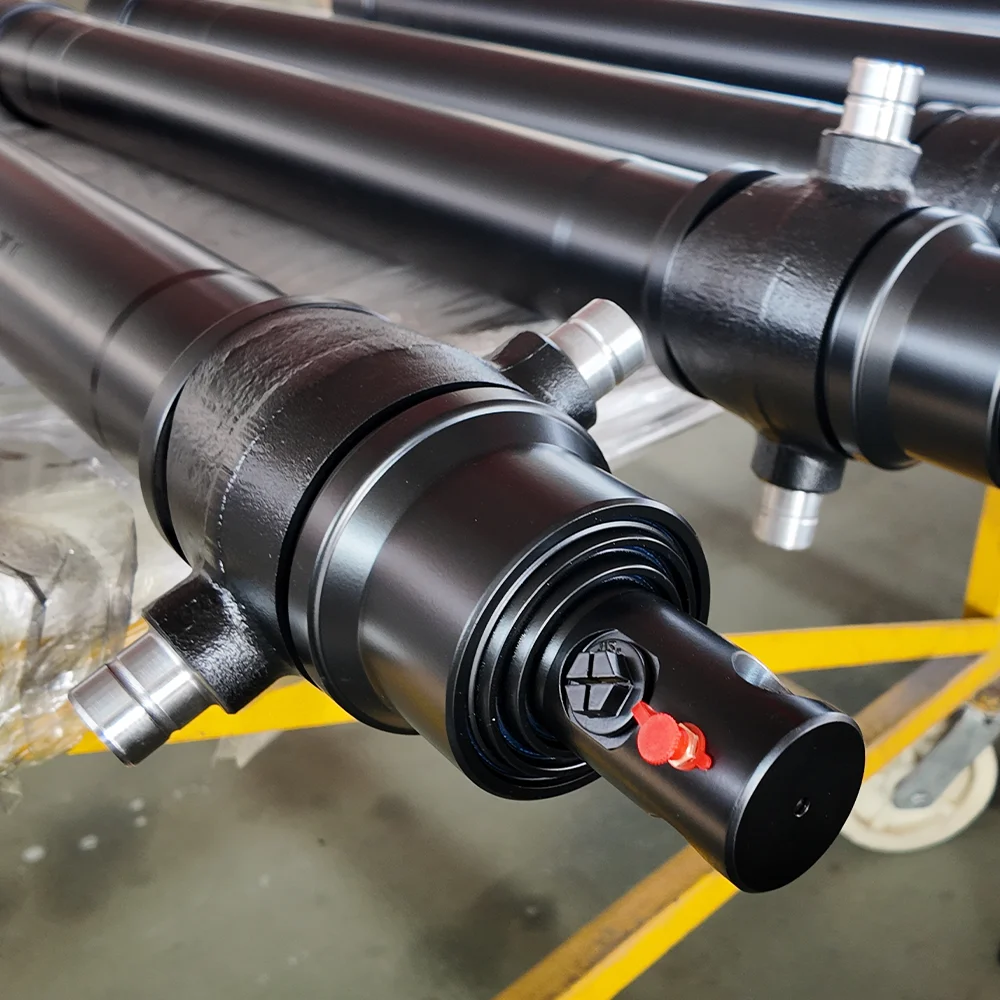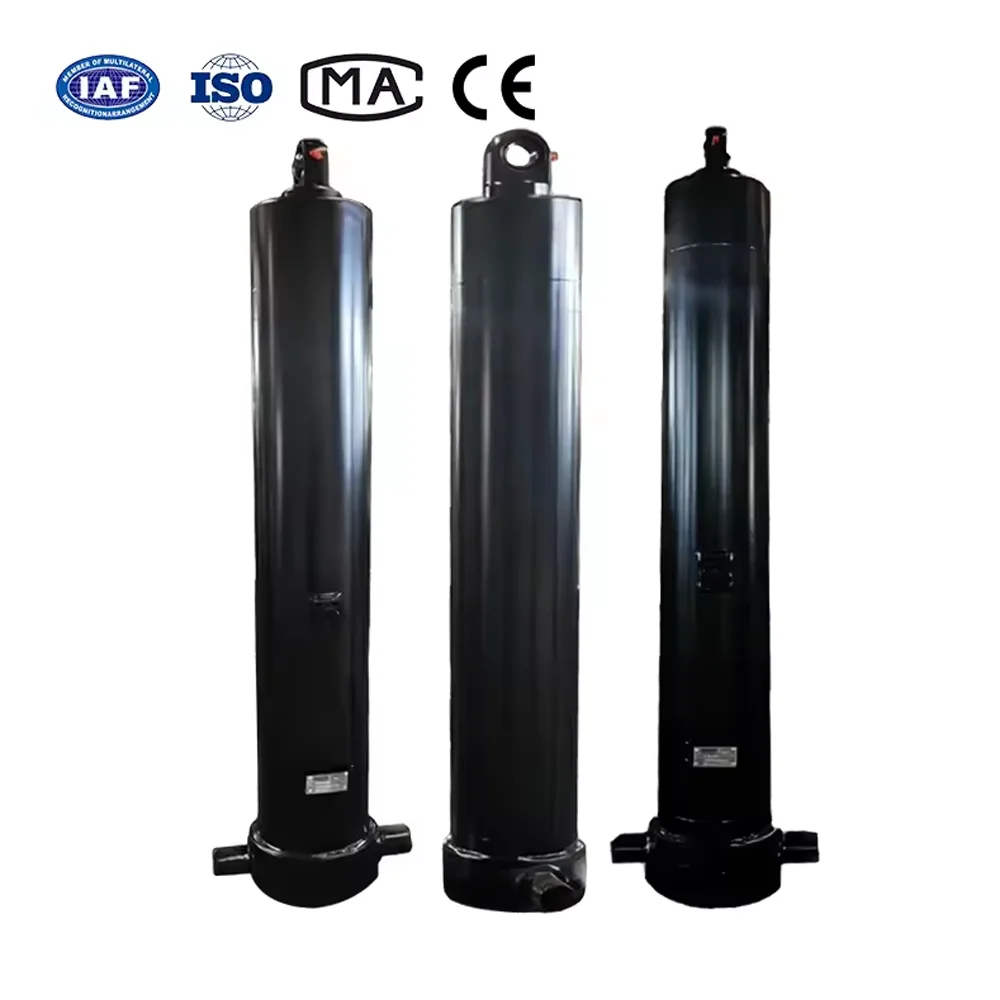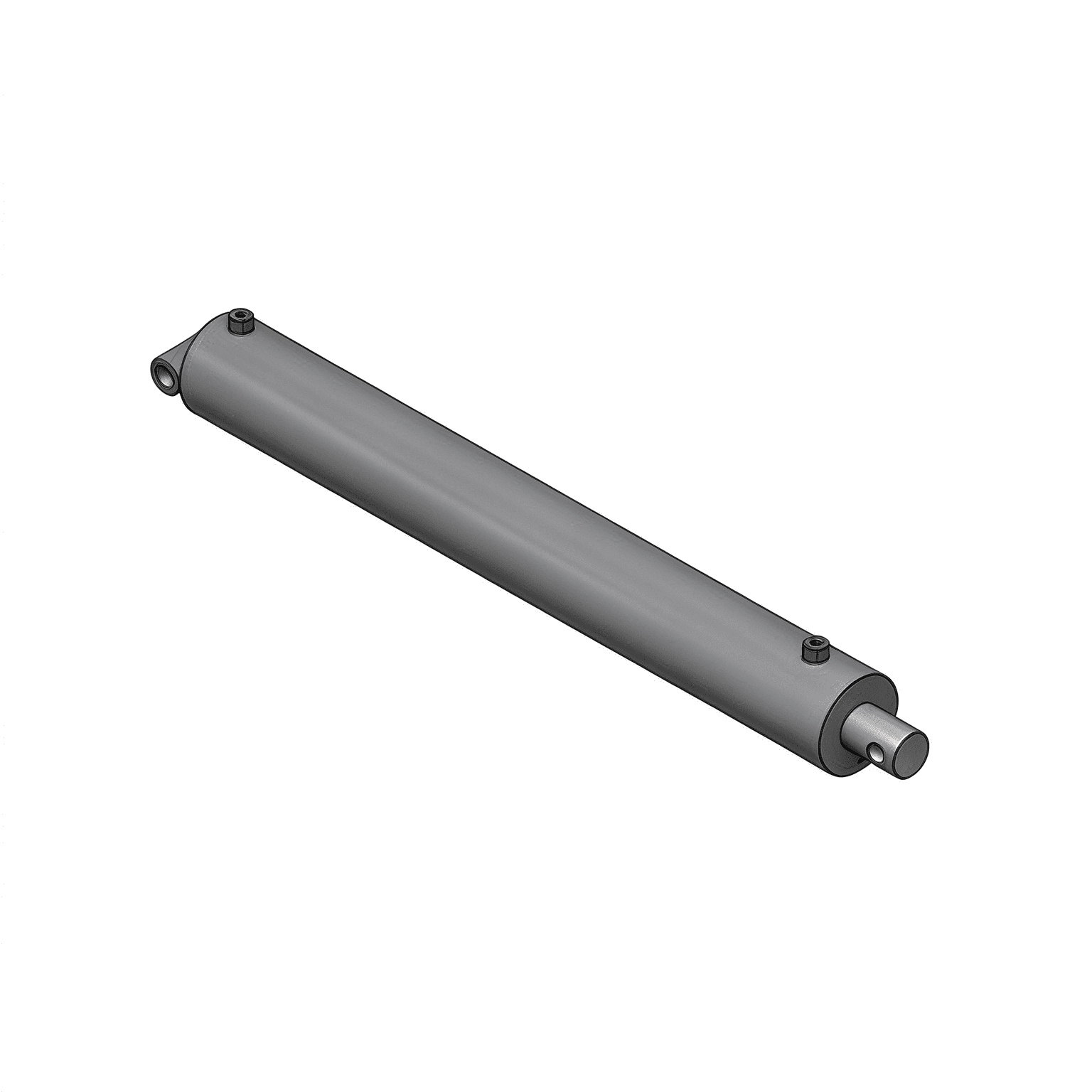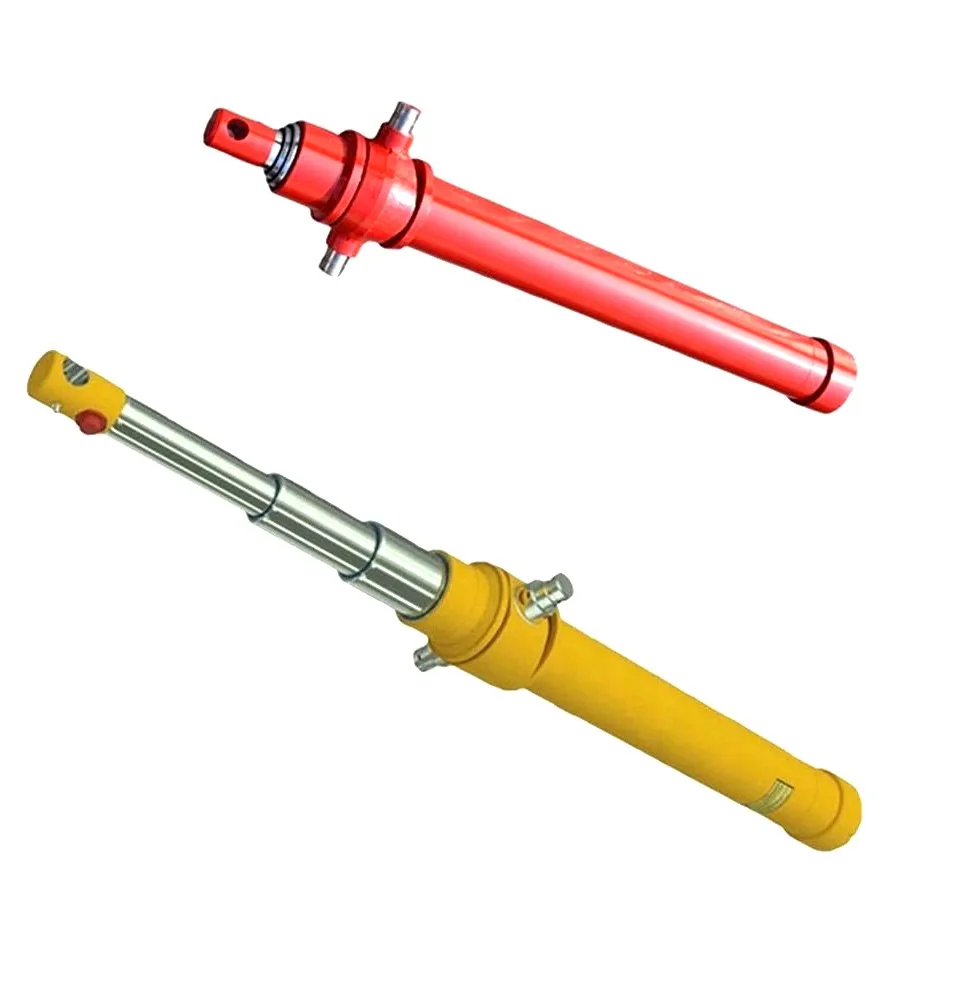
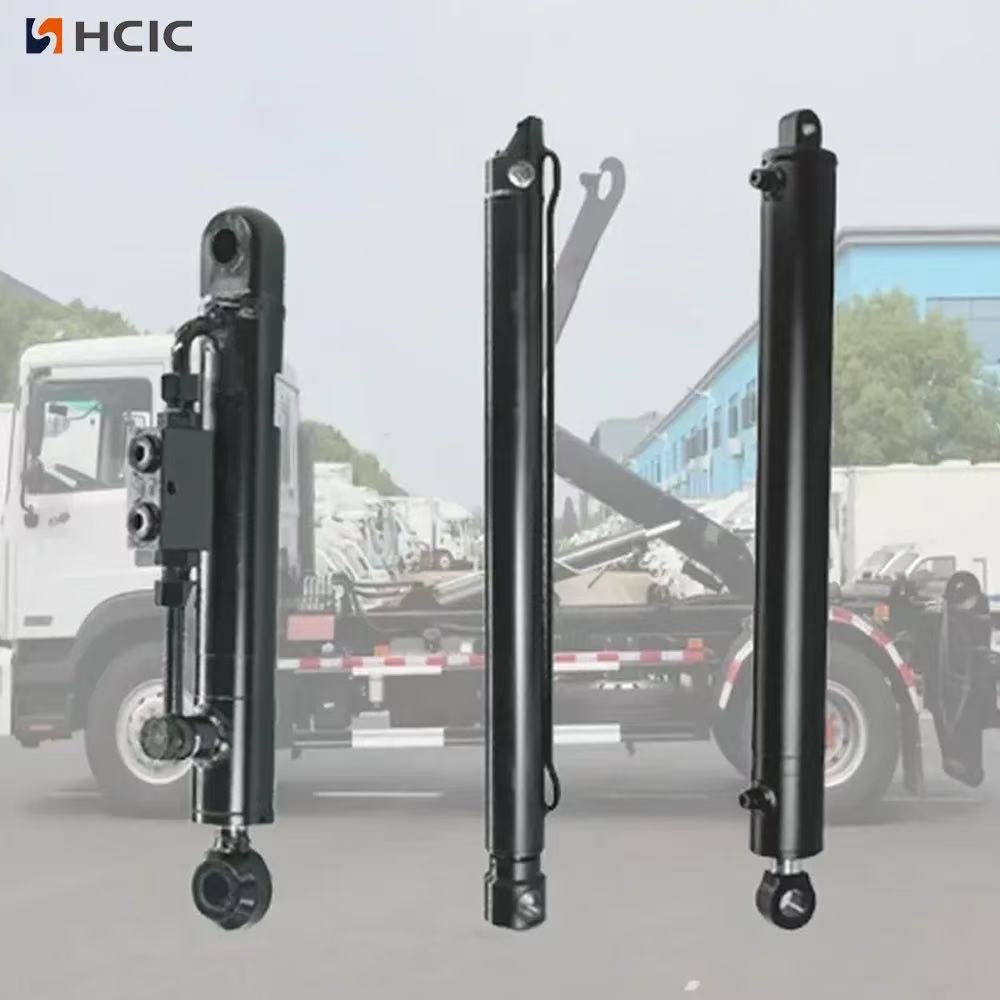
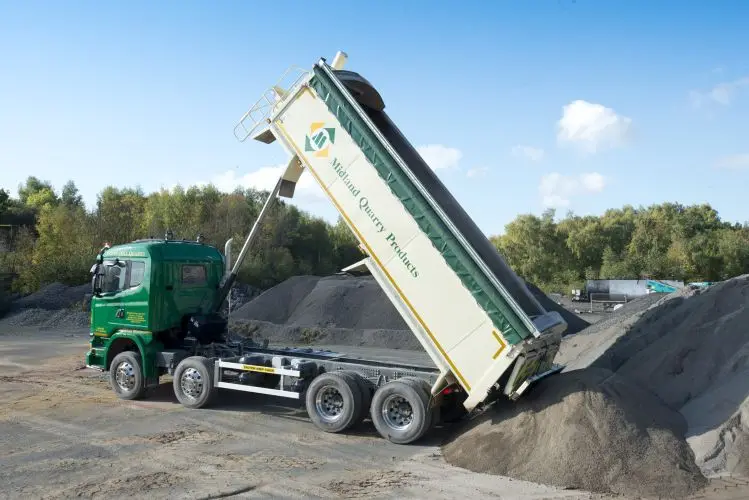
Stable material handling is key to dump truck safety and efficiency. Dump truck hydraulic cylinders, the core lifting actuator, directly determine transport smoothness and reliability. These heavy-duty cylinders resolve instability from load fluctuations and rough roads via scientific structure, precise hydraulic control and reliable protection—they’re the core guarantee for efficient and safe material handling.
As the main load-bearing part, it's made of high-strength alloy steel with integral forming and heat treatment, so it resists deformation and cracking. The honed inner wall cuts down friction. Multi-layer seals and high-strength bolted end caps work together to stop oil leakage, keeping pressure output steady.
As the core part for energy conversion, it consists of a piston, a rod and connectors. These parts are connected with an interference fit to guarantee coaxiality. Dual-direction oil channels make extension and retraction smooth. Precision guide rings and seals prevent tilting, jamming and wear.
Made of high-pressure, wear-resistant composite materials, these assemblies seal cylinder joints, blocking oil leakage and dust. Guide sleeves and rings guide the rod's movement, reduce radial runout, and keep the cargo box from tilting.
Apart from structural design, dedicated mechanisms are designed to tackle real instability problems, ensuring the cylinder runs reliably.
Beyond structural design, dedicated mechanisms target actual instability factors for reliable cylinder operation.
Flow and pressure valves regulate rod speed and output force; flow valves adjust oil flow by load to avoid impact, pressure valves release overpressure to prevent damage. Dual hydraulic locks lock the oil circuit when stopped, fixing the cargo box stably.
Pressure sensors send real-time load signals to the control system, which adjusts oil pressure and flow accordingly. Multi-cylinder coordinated control balances force for uneven material distribution, preventing spillage.
Accumulators absorb shock pressure and reduce fluctuations; rod end buffer devices avoid rigid collisions via hydraulic throttling. Elastic mounting absorbs chassis vibration, enhancing stability in harsh conditions.
| Dump Truck Tonnage | Key Hydraulic Cylinder Parameters | Recommended Configuration | Application Scenario | ||||||||||||||
| 5-10tons | Bore diameter 100-125mm, Working pressure 16MPa, Single-acting multi-stage telescopic structure, Stroke 1200-1500mm | Single-stage lifting cylinder ×1 (EQ-type installation) | Light building materials, domestic waste handling | ||||||||||||||
| 10-20tons | Bore diameter 140-160mm, Working pressure 16-21MPa, Single-acting/end-stage double-acting structure, Stroke 1500-1800mm | Single-stage lifting cylinder ×1 (EQ/QQ-type installation) | Medium-load material transportation (sand, coal, etc.) | ||||||||||||||
| 20-30tons | Bore diameter 180-200mm, Working pressure 21MPa, End-stage double-acting structure, Stroke 1800-2200mm | Front-mounted multi-stage cylinder ×1 (TMG series) | Heavy-duty engineering transportation (ore, muck, etc.) | ||||||||||||||
| Above 30 tons | Bore diameter 220-250mm, Working pressure 21-31.5MPa, Double-acting symmetric arrangement, Stroke 2200-2800mm | Dual lifting cylinders ×2 (TSG series) | Ultra-heavy transportation (large equipment, metal ore, etc.) | ||||||||||||||
Cylinder selection is tailored to truck tonnage based on three core points:
Proper operation and daily maintenance ensure long-term stable cylinder performance.
Load materials evenly to avoid partial load; prohibit overloading. Operate lifting/lowering controls smoothly, slow down on rough roads, and unload only on level ground.
Inspect cylinder body for deformation, joints for oil leakage and piston rod for damage daily. Check hydraulic oil level and quality regularly; tighten loose bolts and lubricate rod and guide parts. Clean cylinder surface and seals to prevent dust entry.
Slow/uneven lifting: Check for blocked valves or oil pipelines. Oil leakage: Replace aged seals in time; repair welding parts for cylinder body leakage. Insufficient lifting force: Check system pressure and oil quality, clear pipeline blockages.