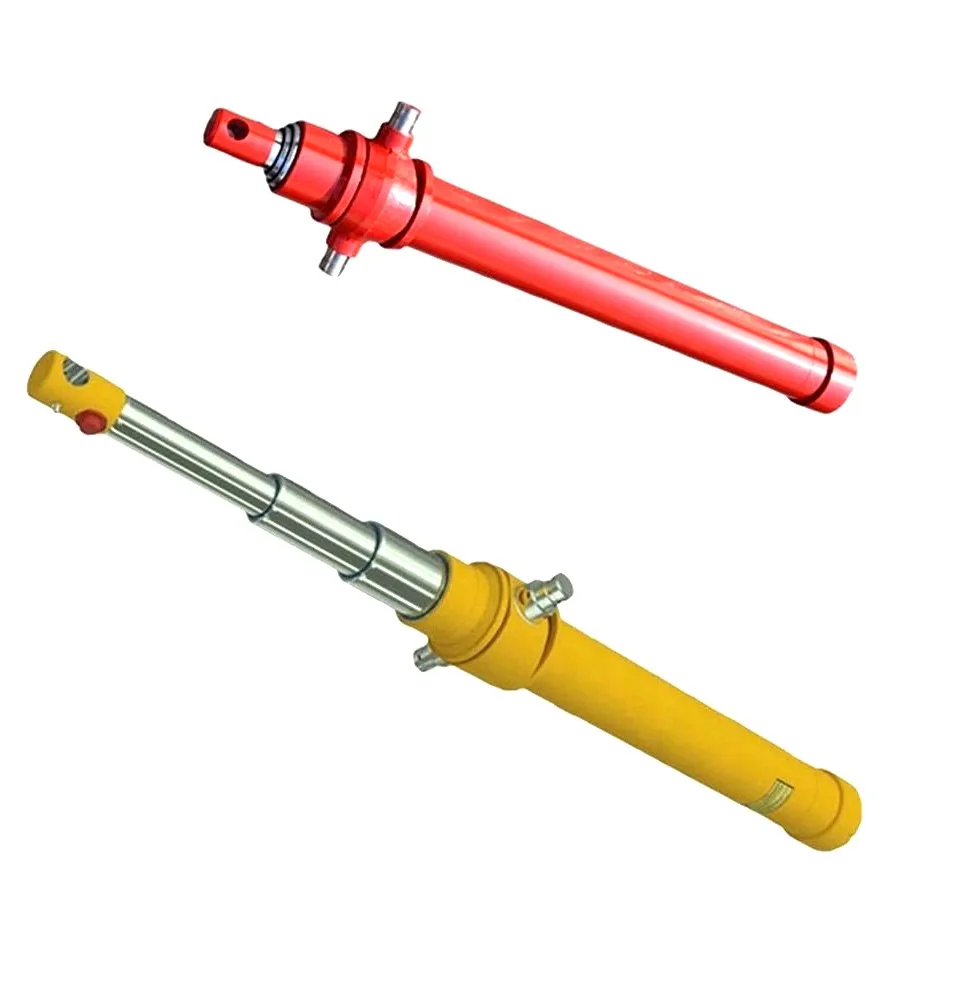
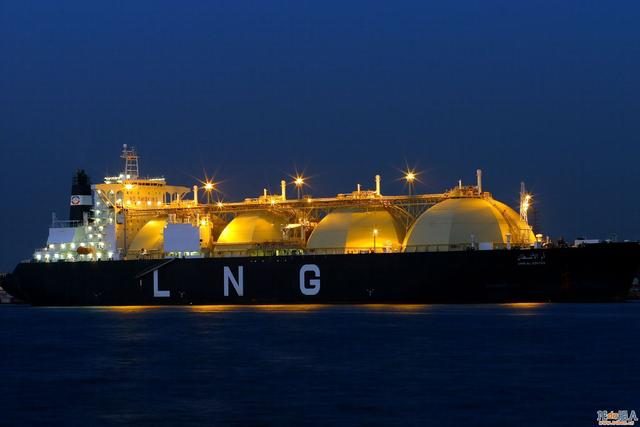
Global LNG trade is absolutely booming right now—2025 alone saw 98 new carrier orders, that’s a 37% jump year-on-year, with 115 vessels lined up for delivery in 2026. Most of these ships are heading straight for Arctic routes, operating at a bone-chilling -162°C just to keep LNG in its liquid state. Here’s the unvarnished truth: regular hydraulic cylinders can’t handle that kind of cold, not even close.
Talk to any shipyard technician, and they’ll hit you with horror stories—steel parts cracking mid-voyage when the temperature plummets, seals hardening up so bad they leak hydraulic oil everywhere, piston rods moving at a snail’s pace and holding up cargo hatch operations for hours. A single repair job for these issues doesn’t come cheap—it’s over $500,000, and that’s not even counting the lost revenue from delayed LNG deliveries. That’s why every serious shipyard and ship owner worth their salt is ditching generic off-the-shelf parts and switching to custom cryogenic hydraulic cylinders—and HCIC, with 25 years of hands-on, boots-on-the-ground experience in hydraulic component manufacturing, is leading the charge.
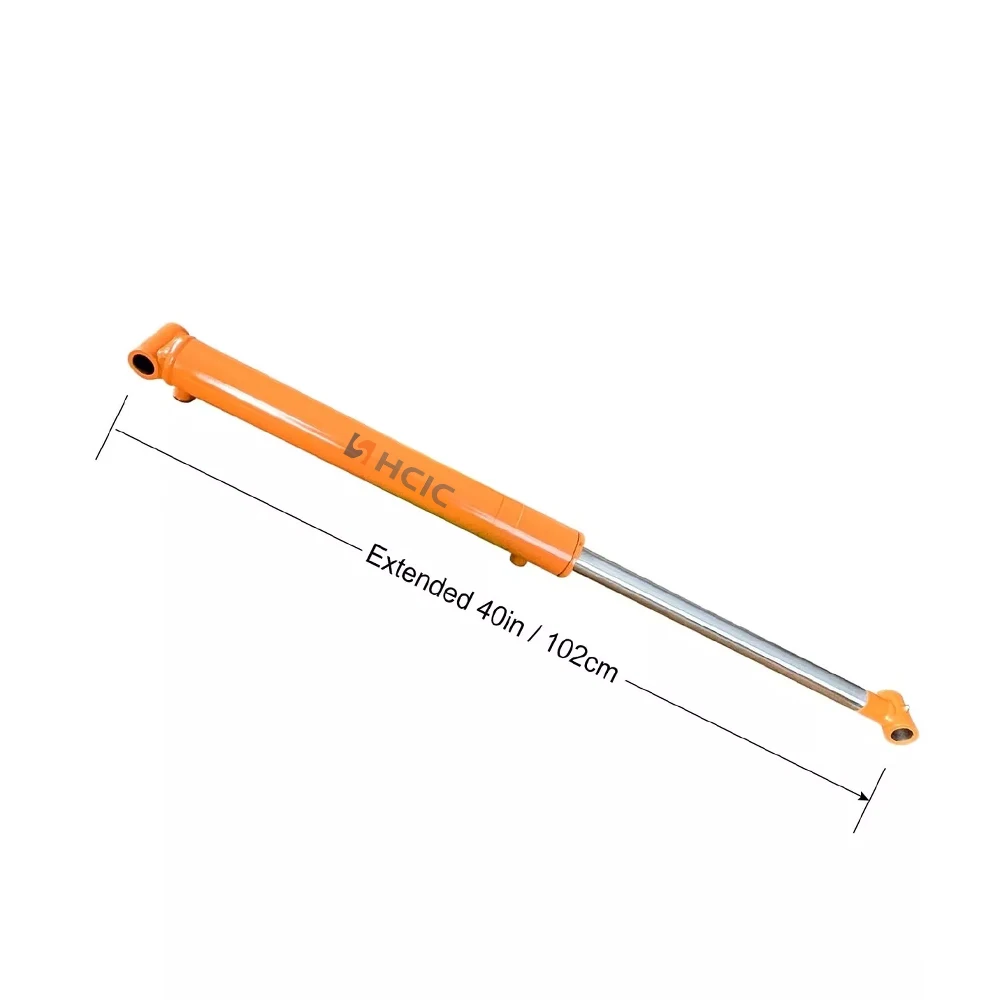
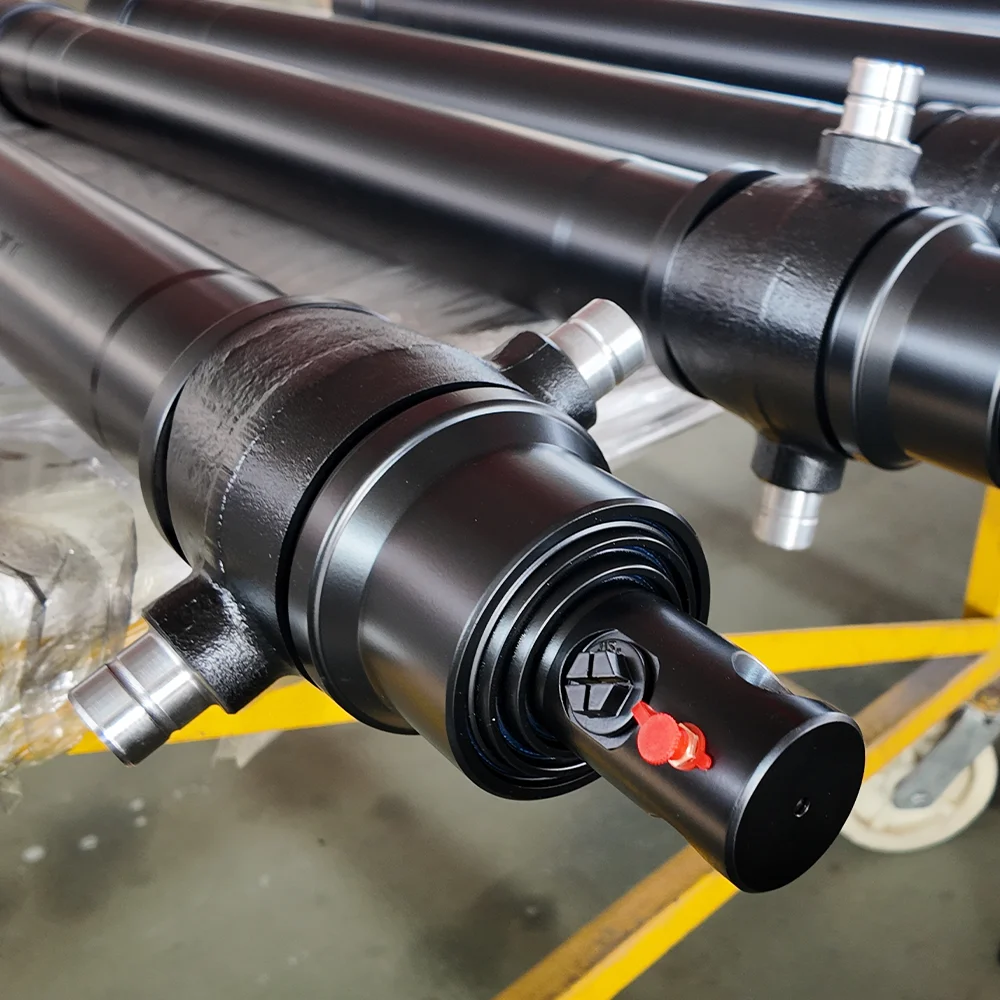
HCIC doesn’t just slap a quick fix on standard cylinders—we build every single unit from scratch, crafted specifically for what an LNG carrier actually needs out at sea. Every step we take is all about beating that extreme cold, and the reliability here? It’s nothing like what you get with generic off-the-shelf parts.
We don’t touch cheap carbon steel at all for the cylinder bodies—we go straight for ASTM A333 Grade 6 low-temperature alloy steel instead. Wondering what makes this steel hold up? We treat it with liquid nitrogen quenching at -196°C, then run it through three rounds of tempering heat treatment. That’s not some lab experiment we threw together, either—it’s a process we’ve honed over decades.
Seals are the Achilles’ heel of LNG ship hydraulics—we’ve known that for years—and we’ve tackled this problem head-on. We partnered up with one of the top global seal manufacturers to develop our own proprietary fluororubber composite, something we call HC-200L, and the best part? It stays elastic and flexible even when temperatures drop to -180°C.
We pair this game-changing material with a three-layer sealing structure: double dust rings to block out seawater and grit that would wreck the system, plus primary and secondary seals to lock in hydraulic oil tight as a drum. For ships that are bound for the Arctic, we offer an optional heating jacket fitted with low-resistance wires that keeps the cylinder surface above -20°C, eliminating that annoying problem of thick, sluggish hydraulic oil slowing operations down. We didn’t just take this setup’s word for it, either—we put it through 3,000 hours of continuous operation at -160°C in our in-house cold chamber, and the result? Zero leaks, not a single one.
We don’t ship a single cylinder out the door until it passes three brutal, no-holds-barred tests—and we mean no exceptions. First up is the 5,000 pressure cycle test at -160°C: we cycle the pressure from 5MPa to 31.5MPa over and over again, just to really stress-test those seals and see if they hold up. Second is the cargo hatch simulation test: 2,000 open-close cycles at -150°C, with positioning accuracy held to a tight ±0.5mm. That’s way better than the industry’s lax ±1mm standard.
Third is the salt spray + low-temperature test: 1,000 hours of nonstop exposure to 5% NaCl salt spray at -50°C, all to check for corrosion resistance.
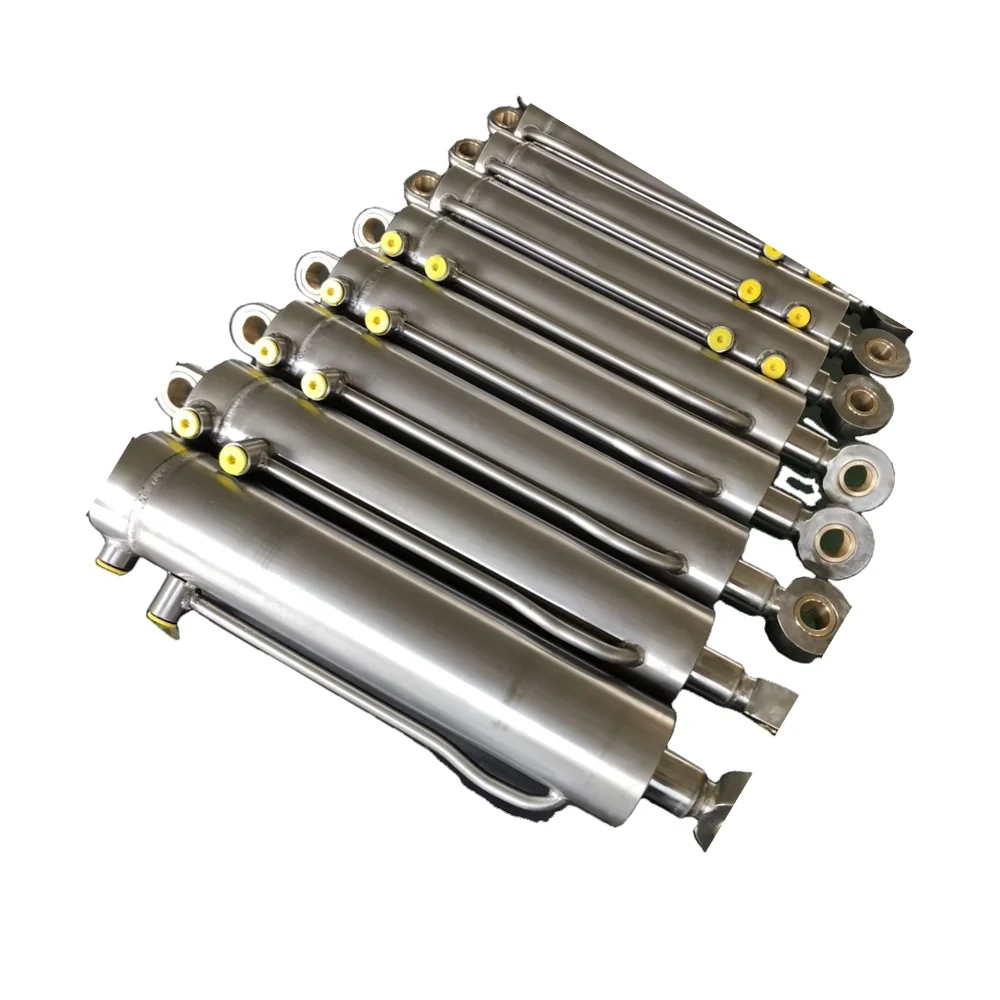
Last quarter, a major Asian shipyard picked HCIC’s custom hydraulic cylinders for a 174,000m³ LNG carrier they were building for a big Middle Eastern energy firm. The ship set off for Arctic sea trials in temperatures as low as -58°C, and here’s what the crew reported back to us, word for word:
• The cargo hatch cylinders ran nonstop for 2,500 hours without a single leak, opening in under 2 seconds every single time—no delays, no crew headaches, no last-minute panic fixes.
• The deck winch cylinders delivered a solid 250kN pulling force (that’s 25 tons of lift, for anyone counting) and ran quieter than 75dB—quieter than the ship’s auxiliary engine, which was a nice surprise for the crew working on deck.
• Even without the optional heating jacket fitted, the cylinders never slowed down, not even once when the temperature hit rock bottom.
The ship owner crunched the numbers after the trials and calculated that they saved $300,000 in potential repair costs just by going with HCIC parts. That success turned HCIC into a qualified supplier for the shipyard, with 40% more orders locked in for 2026.
LNG carriers are growing bigger fast—200,000m³+ ultra-large vessels are now standard, and more sail Arctic routes year-round, no matter the cold. HCIC’s already ahead: we’ve built 5-meter stroke and 40MPa high-pressure cylinders for these mega-ships.Next up? A hybrid electric-hydraulic cylinder to slash fuel use and meet tough new maritime emissions rules.
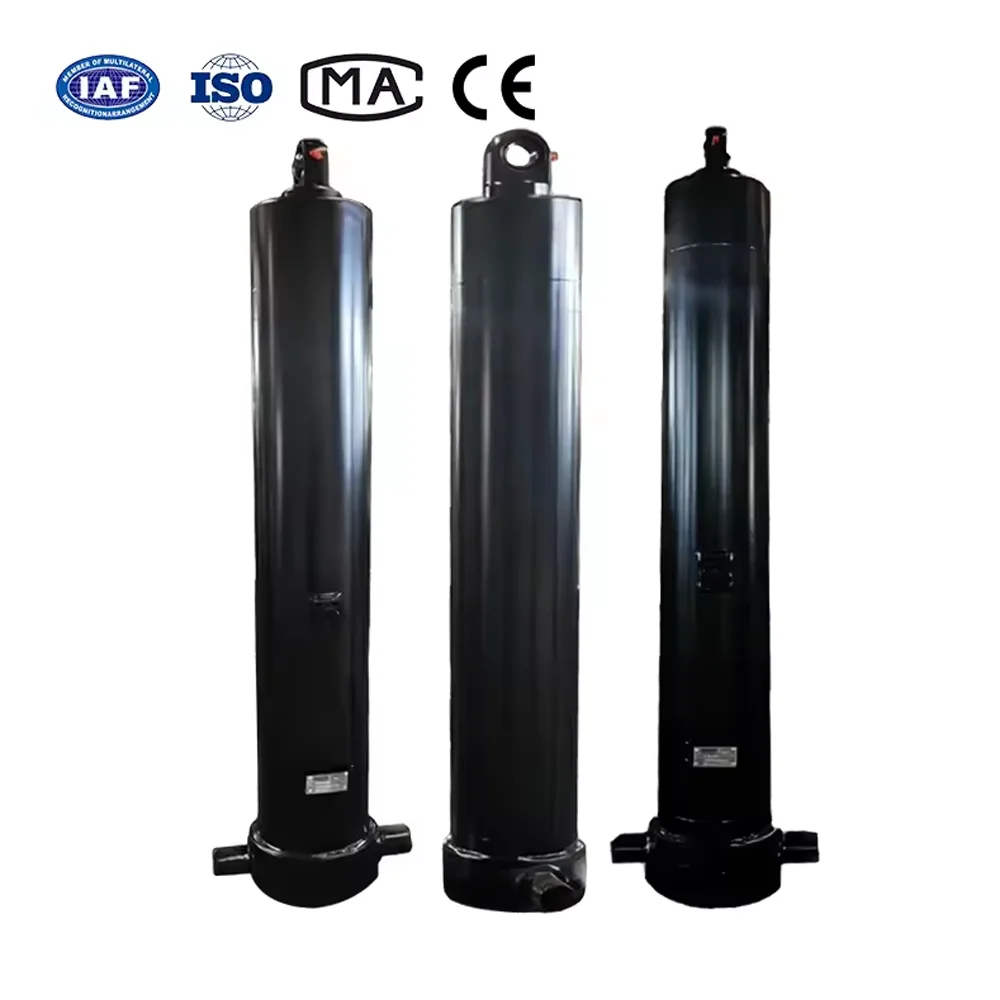
If you’re a shipyard or owner tired of cracked, leaking LNG ship cylinders—costing big on repairs and delayed deliveries—HCIC’s custom cryogenic solutions aren’t an upgrade. They’re a must-have. We build every cylinder to survive Arctic extremes, no shortcuts, full maritime certification. No more costly fixes, no more lost revenue, no more crew headaches. Just tough, reliable hydraulic parts that get the job done.
HCIC is a professional hydraulic manufacturer, mainly engaged in hydraulic system design, manufacture, installation, transformation, commissioning and hydraulic components brand sales and technical services.We hope that our product can help to save your cost and improve your quality. For More details please email us "davidsong@mail.huachen.cc" or google search "HCIC hydraulic"