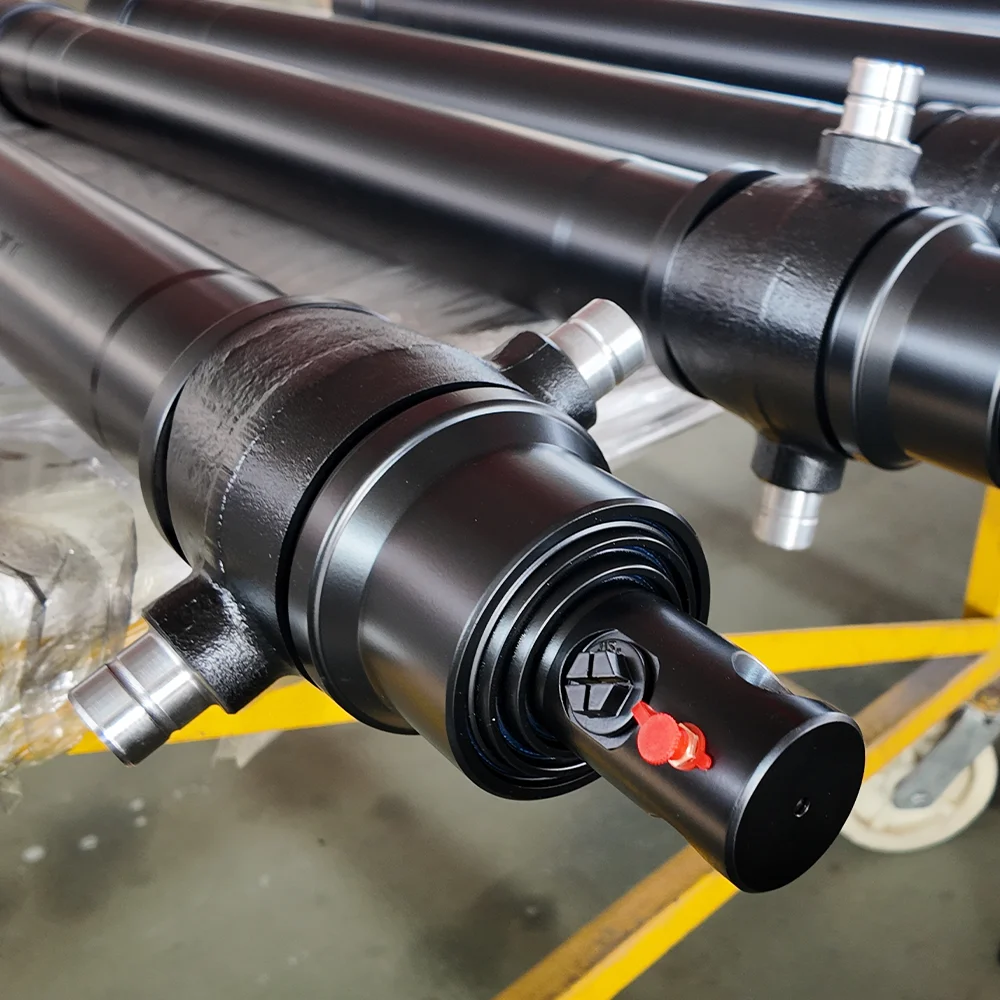
Hydraulics have powered industrial work for centuries—and today, hydraulic cylinders are the unsung backbone of heavy machinery across every sector. Even with regular checkups, a single cylinder glitch can trigger costly downtime or even dangerous on-site incidents. Catching issues early isn’t just a tip—it’s the only way to keep repair bills low and workflows steady.
• History of Hydraulics
• Hydraulic Cylinder Drift Prevention
• 10 Hydraulic Cylinder Failure Causes
A faulty hydraulic cylinder doesn’t just underperform—it puts your whole system’s safety and efficiency at risk. Leaks, excess friction between parts, these small issues can snowball into worker injuries, equipment fires, or environmental spills fast. That’s why you need to nail down the root cause before it spirals into a full-blown crisis.
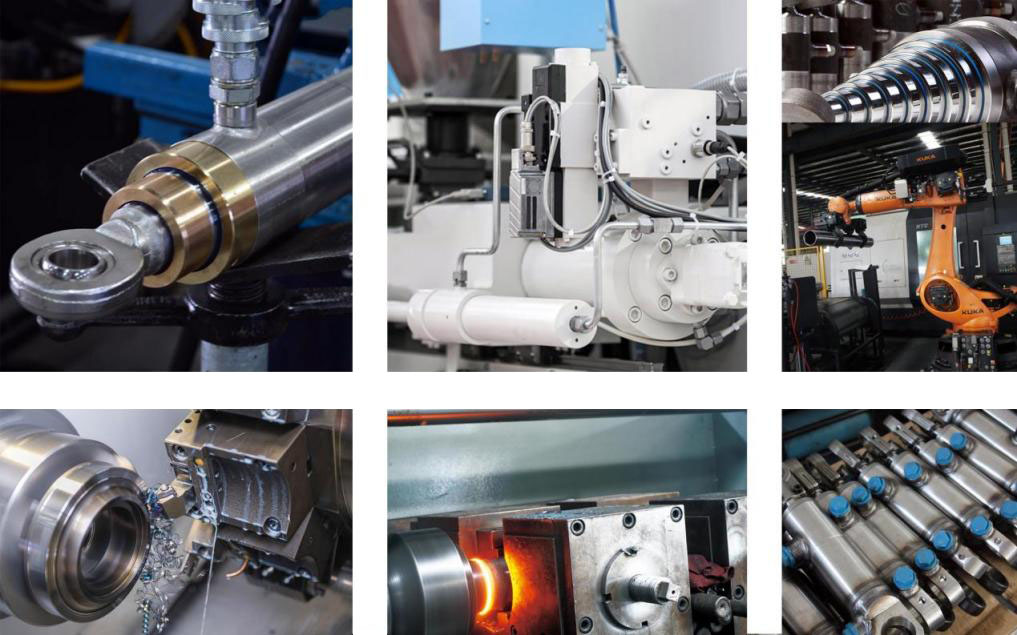
1. Seal Leakage
Seals do the heavy lifting to hold hydraulic fluid pressure—but they’re also the first to wear out. Too much heat, a bad fit during installation, or rust can crack or warp seals. Once they leak, the cylinder loses pressure fast, and it’s only a matter of time before it quits working entirely.
2. Fluid Contamination
Here’s a hard fact: contamination causes 70% of all hydraulic system failures. Air bubbles, water droplets, or tiny metal shavings in the fluid scratch piston rods, gum up ports, and ruin seal surfaces. Nine times out of ten, it’s a worn wiper seal letting dirt sneak in.
3. Corrosion
Moisture trapped inside the cylinder barrel leads to rust that’s a nightmare to fix—usually, you have to replace the whole part. Leave a hydraulic cylinder outside with the rod extended? It’ll rust right up, and the next time you retract it, that rust will tear the seals to pieces.
4. Mount Connection Failure
Cylinders mount different ways depending on the job—but overload them or line them up wrong, and those mounts take a beating. Too much stress wears the connections down quick, and before you know it, the cylinder’s loose or broken.
5. Over-Pressurizing
Cranking up pressure beyond the manufacturer’s call is a rookie mistake that breaks cylinders fast. Hydraulics need precise pressure to work—too much, and the cylinder swells, warps, and becomes a safety hazard waiting to happen.
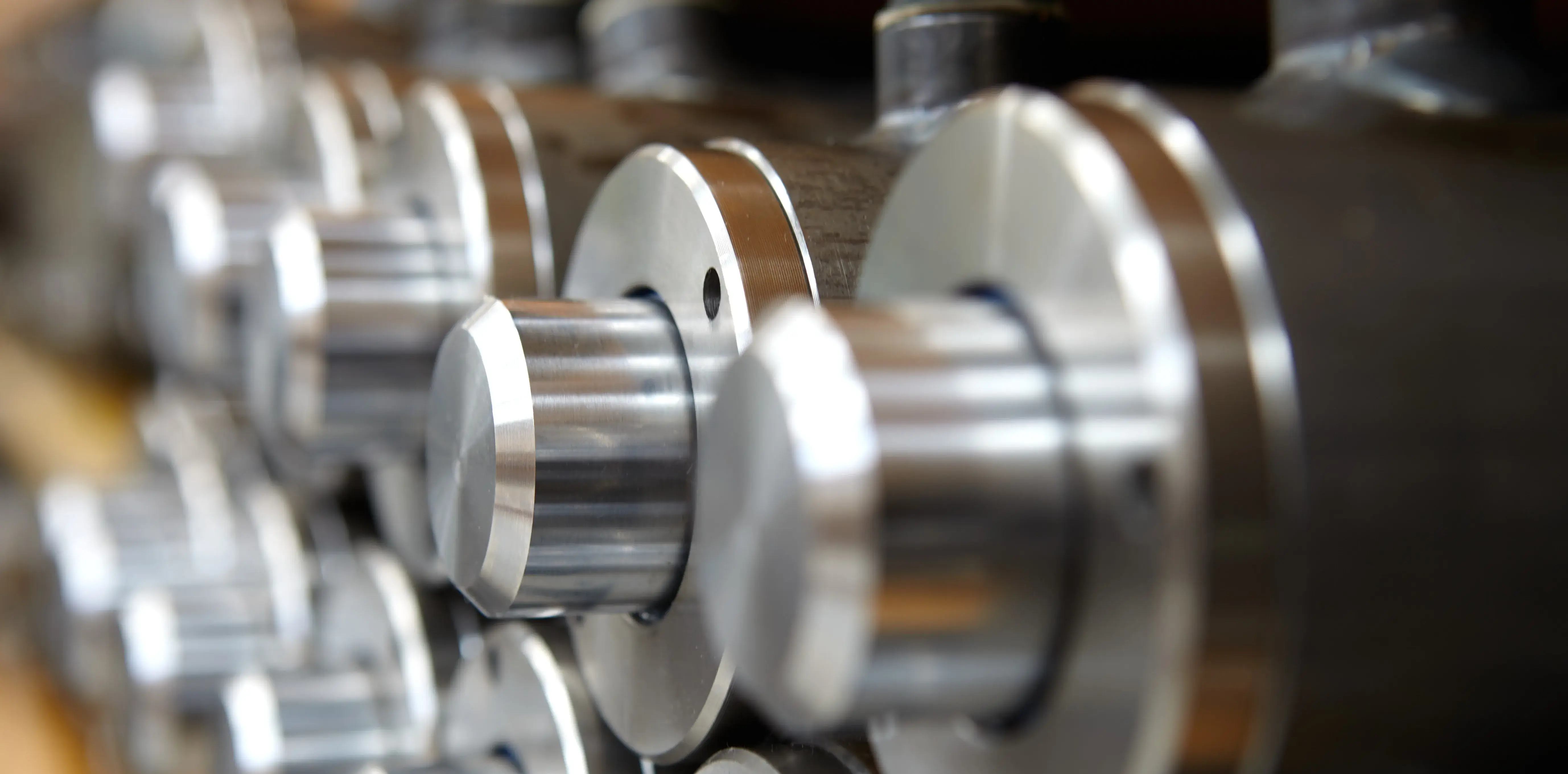
6. Side Loading
Cylinders are built to push or pull straight—hit them with a sideways force, and you’re asking for trouble. Mild side loading causes uneven wear; go too far, and you’ll bend or snap the piston rod clean in two.
7. Extreme Temperatures
Hydraulic cylinders hate extreme heat or cold. High temps cook seals and thin out lubricants; low temps thicken fluid until it barely moves, and seals turn brittle and crack. Either way, your cylinder’s lifespan gets cut short.
8. Rod Bearing or Piston Rod Damage
Piston rods fail more often than any other hydraulic cylinders part—and it’s usually because of bad alignment or overloading. If the cylinder isn’t lined up right with the load, the rod bearings wear out fast. Push it past its weight limit, and the rod bends or breaks.
9. Broken Eye Bearings
Eye bearings break for two main reasons: you put too much weight on the cylinder, or it takes a sudden hard hit. There’s no fixing a cracked eye bearing—you have to replace it, plain and simple.
10. Chemical Attack
If your cylinder’s working around harsh chemicals, those chemicals will eat away at the seals over time. Corroded seals leak, and a leaking seal leads to a failed cylinder. It’s that straightforward.
• Weird Noises: Banging or knocking sounds mean air’s getting into the system (aeration) or cavitation’s happening—both mess with pressure and damage the cylinder from the inside.
• Rough Movements: If the hydraulic cylinder shudders or jolts instead of moving smooth, there’s too much friction. Check for worn parts or not enough lubricant—stat.
• Too Hot to Touch: Every cylinder has a sweet spot temperature. If it’s burning your hand when you touch it, something’s wrong—friction, bad fluid, or a stuck valve.
• Slower Speed, Less Power: If your machine’s cycles are taking longer than usual, the cylinder’s losing pressure from a leak or low fluid flow. Don’t ignore it—fix it before the cylinder dies.
• Higher Energy Bills: A faulty cylinder has to work harder to do the same job, so your equipment uses more power. If your energy costs jump, check those cylinders first.
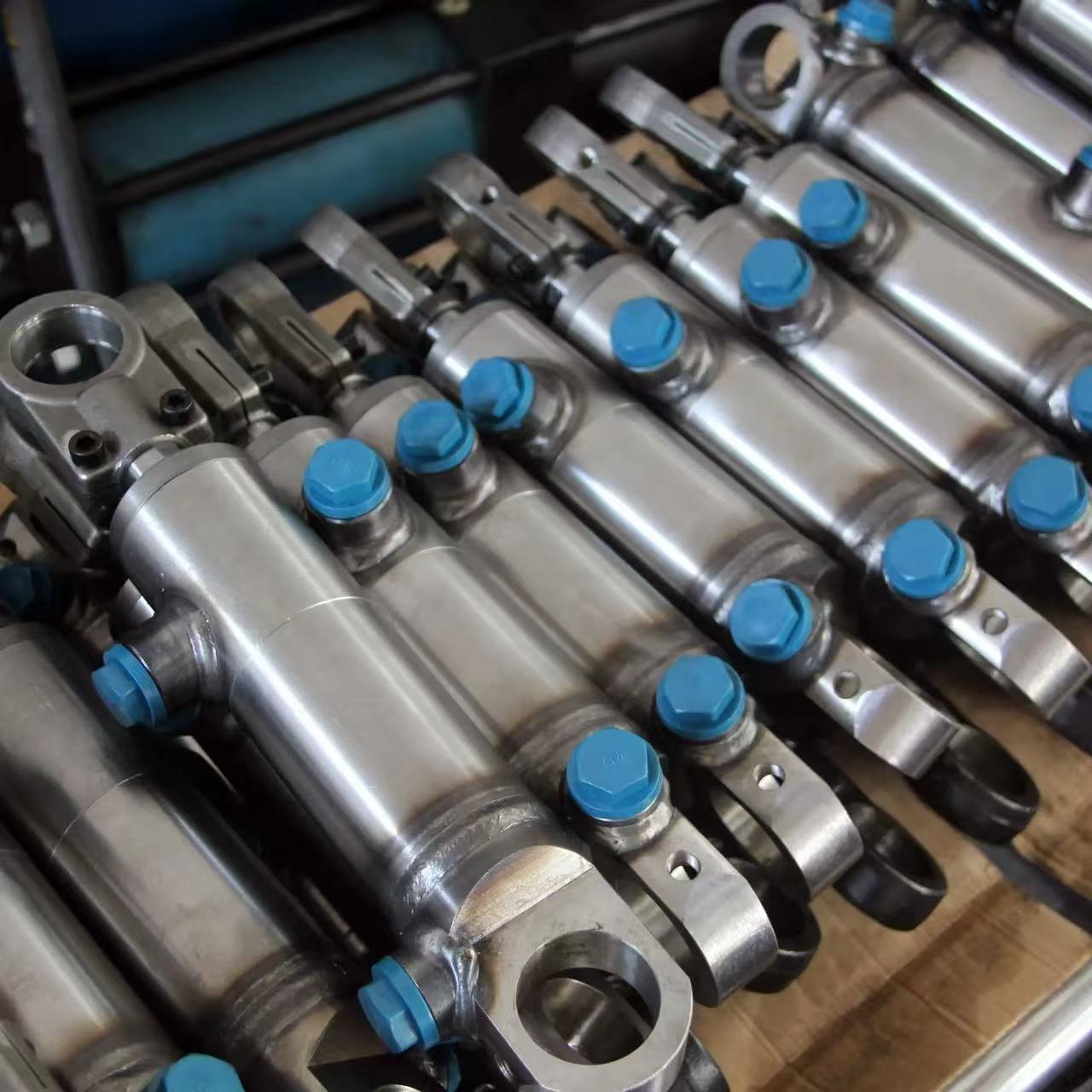
88% of manufacturers swear by preventive maintenance—and for good reason. It’s the cheapest way to avoid breakdowns. Here’s what works for HCIC customers:
• Check Seals Every Time: Look for cracks, hardening, or wear. If a seal looks iffy, replace it right away—don’t wait for a leak.
• Monitor Pressure Nonstop: Install a pressure gauge and keep an eye on it. If the pressure jumps or drops out of nowhere, shut the system down and find the problem.
• Keep Fluid Clean: Flush the system before adding new fluid, and store fluid in sealed containers so dirt and water can’t get in.
• Use the Right Parts: Don’t skimp on cheap seals or wrong-size rods. Stick to manufacturer specs—quality parts save you money in the long run.
• Straighten Bent Rods: Use a dial gauge to check rod straightness regularly. If it’s bent, use a press to fix it before it causes bigger problems.
• Protect the Cylinder: Keep it away from chemicals, control the temperature in your workspace, and cover moving parts when storing equipment outside.
• Keep It Clean: A messy workspace means dirt gets into cylinders. Wipe down your equipment daily—small steps, big results.
HCIC builds top-tier hydraulic components—from heavy-duty cylinders to precision solenoid valves—for industrial teams that need reliability. We know how costly cylinder failures are, and our maintenance tips are built on real-world experience, not textbook jargon. Whether you need a quick inspection, a repair, or a full cylinder replacement, HCIC’s got you covered. Contact us today—we’re the hydraulic partner you can trust to keep your equipment running strong.For More details please email us "davidsong@mail.huachen.cc" or google search "HCIC hydraulic"