Picking the right HCIC hydraulic cylinder for your job ain’t about fancy guesses—it’s about asking the real questions that matter. If you’re an engineer or someone who specs equipment, these 9 straight-talk questions will get you the exact cylinder you need, no fluff.
HCIC cylinders do the tough stuff: lifting heavy loads, pushing, pressing, pulling, and holding things steady. We’ve built cylinders that work day in and day out in food plants, on construction sites, in metal shops, on farms, in forests, mines, and waste yards. Every cylinder gets materials and coatings that can handle the specific grime and wear of that industry.
The retracted height is make or break here. If you’re shoving it into a tight spot—like underground mining gear or small farm machines—HCIC’s low-profile cylinders pack full power without wasting a single inch of space. No need to redesign your whole setup just for a cylinder.
Cylinders deal with three big types of force: pull vs. push, pressure from the hydraulic system, and sitting still (static) vs. moving back and forth (dynamic). HCIC’s got 16 formulas that we’ve tested on the job—they’ll tell you exactly how much force your cylinder needs to handle, so we can hook you up with the right bore size, rod diameter, and metal grade.
Always guess high on the load weight—this keeps you from dealing with failed lifts or cylinders getting stuck halfway through a stroke. Make sure your pump’s pressure is up to the task (it’s basic Pascal’s Law, nothing complicated) and add a safety buffer. HCIC says: for regular jobs, go 125% of the rated capacity; for risky work like mining, bump it up to 1.5–2 times the load.
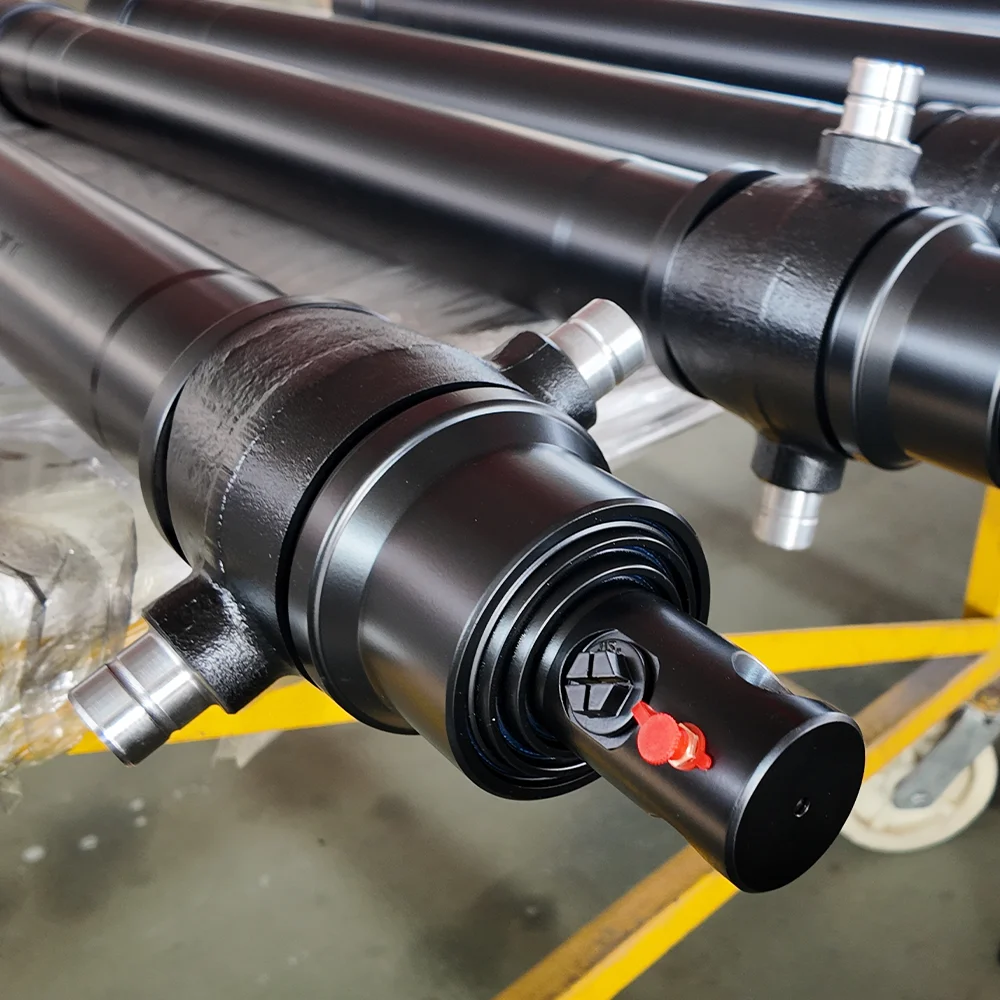
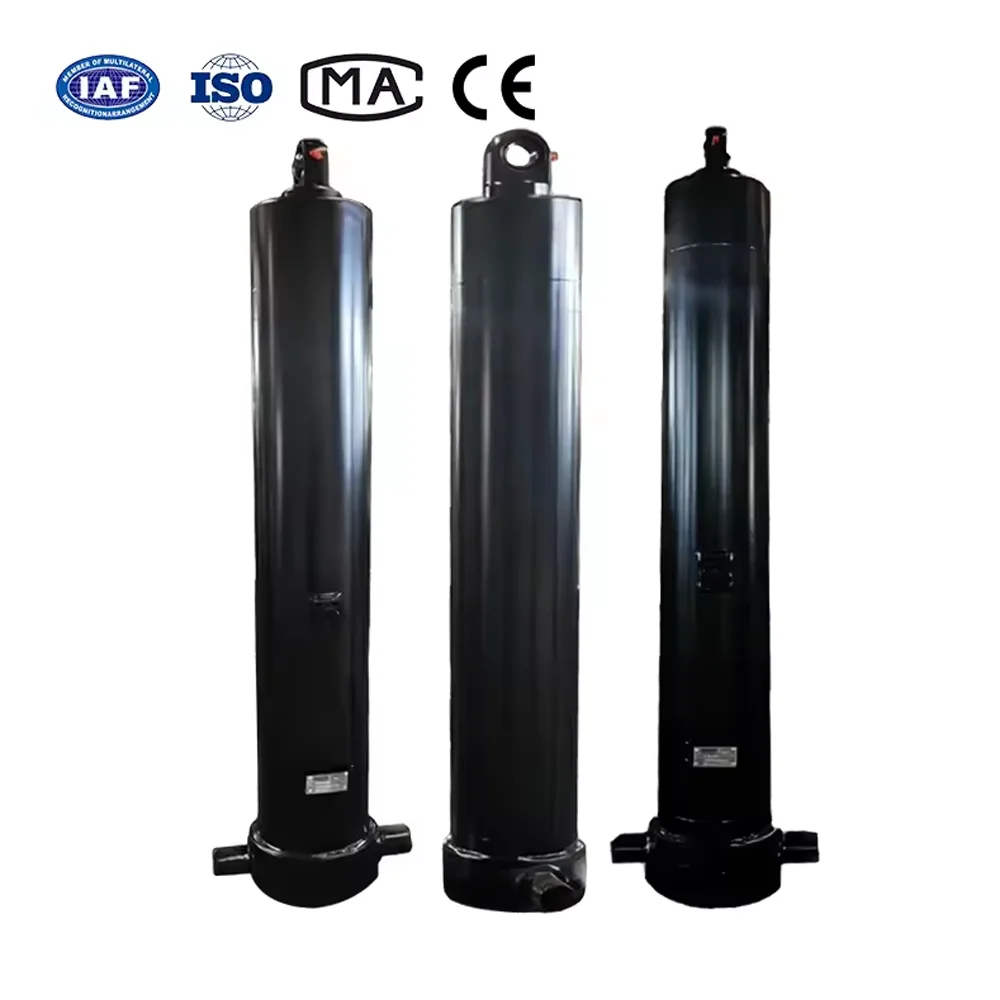
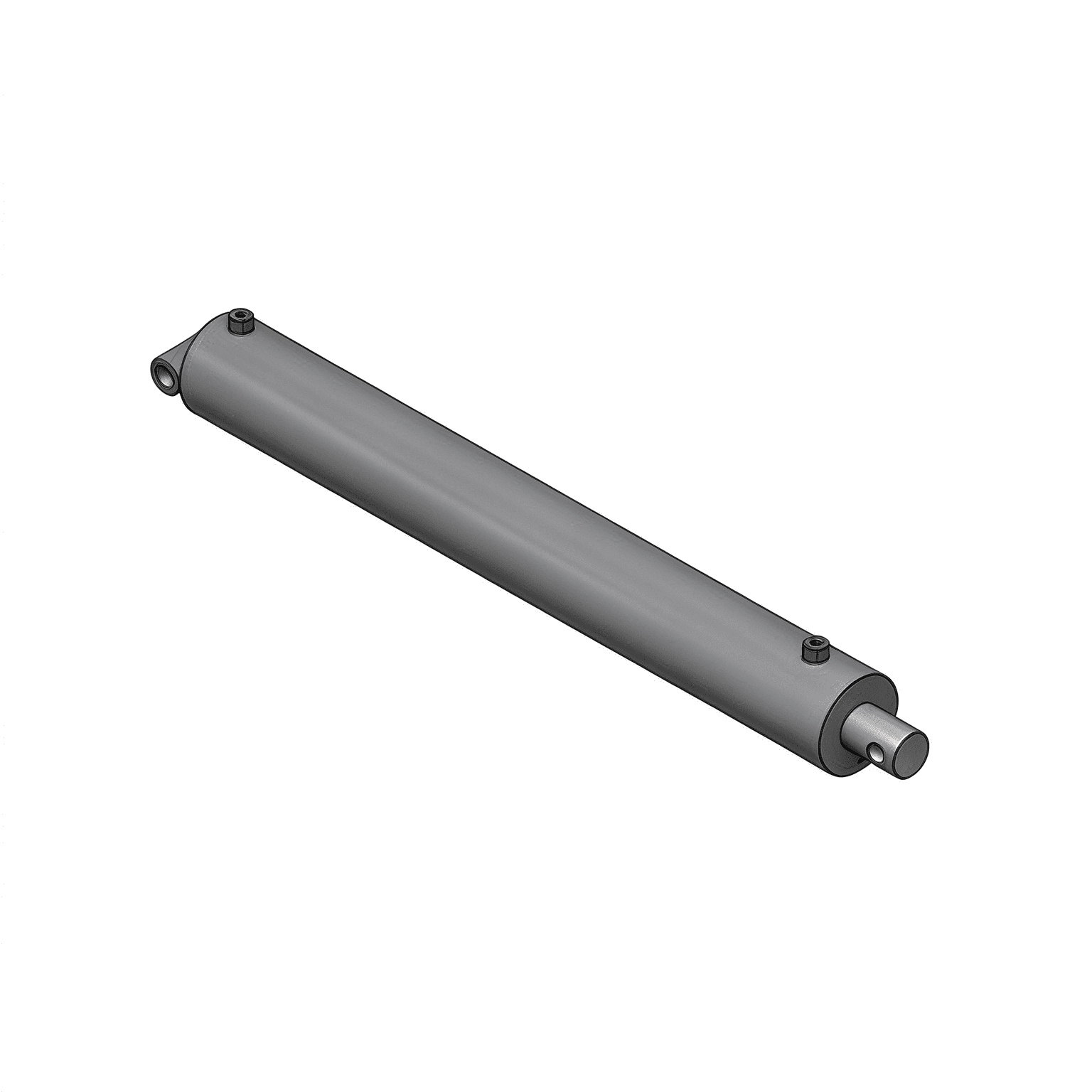
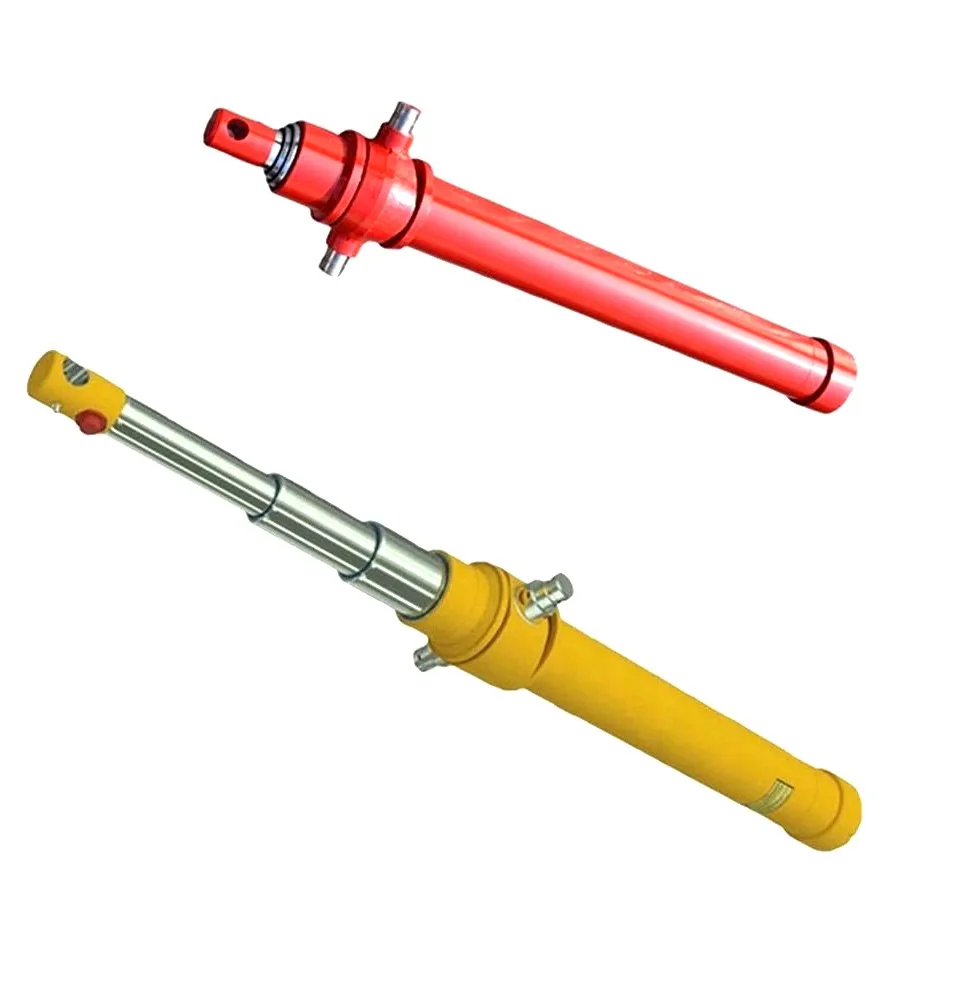
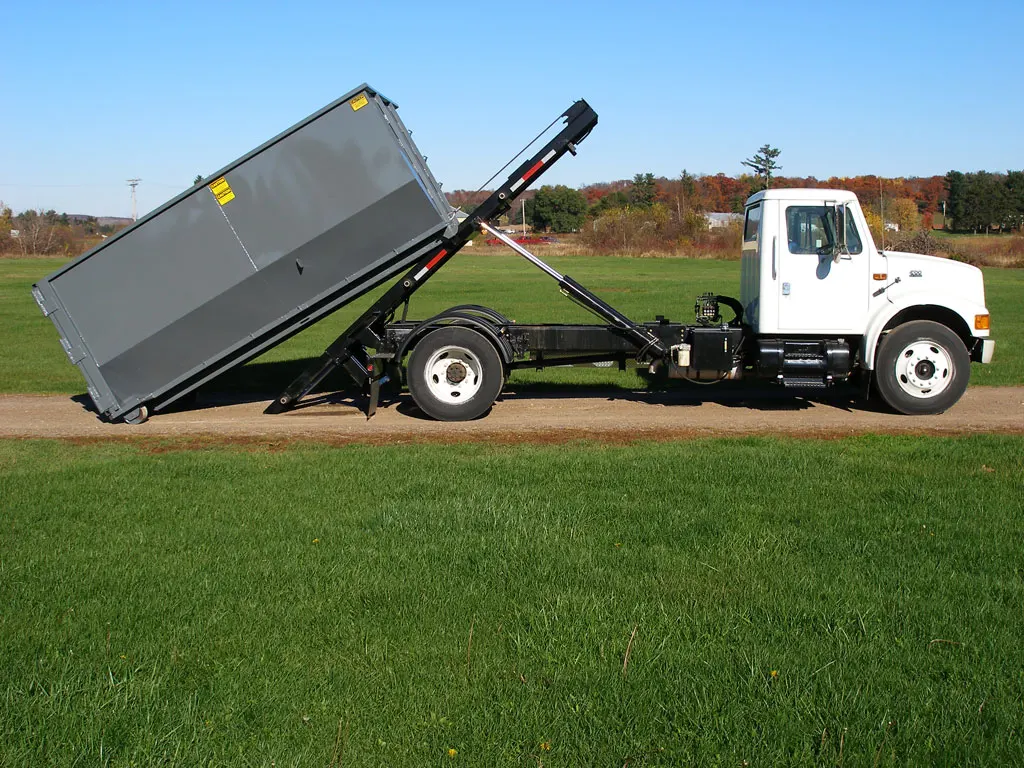
For long strokes in tight spaces, HCIC’s telescopic cylinders (2 or 3 stages, single or double-acting) are the way to go—they retract to about the same length as a standard cylinder, perfect for dump trucks or aerial lifts. For shorter strokes, our regular single-acting (spring or gravity pulls it back) and double-acting (hydraulics move it both ways) cylinders work best. And one double-acting cylinder beats two single-acting ones every time—it’s cheaper and takes up less room.
◦ Mineral oil: The go-to for most jobs—cheap, reliable, and lubricates well. Just check it every so often for gunk that can mess up performance.
◦ Synthetic oil: Made for extreme hot or cold temps. It costs more upfront, but it keeps its viscosity steady, lasts longer, and doesn’t wear out parts as fast. Worth it for harsh environments.
◦ Water-based oil: Fire-safe—great for steel mills or glass plants where sparks fly. But it needs more maintenance, and you have to watch for mold or bacteria growing in it.
◦ Biodegradable oil: Eco-friendly, perfect for forestry or marine work where spills matter. It’s pricier, so you gotta check its performance regularly to keep it working right.
HCIC hydraulic cylinders run best between 110°F and 180°F. If it’s freezing outside, use low-viscosity oil so the fluid doesn’t thicken up and stop the cylinder. If it’s wet—especially saltwater, like offshore jobs—get a cylinder with corrosion-resistant coatings and sealed rod glands to keep rust and wear away.
The way you mount it directly affects how much stress the piston rod takes. HCIC fits all NFPA-standard mounts, split into three easy groups: fixed mounts that take force straight down the center (like rectangular flanges—minimal bending stress), fixed mounts that take offset force (like foot side lugs—needs extra support), and pivot mounts (like trunnions or clevises) for when the load moves in a curve.
HCIC can add three key extras that make a difference: cushioning (slows the piston at the end of the stroke to cut shock, noise, and maintenance), synchronization (keeps multiple cylinders moving together smoothly—no jerky lifts), and sensors (tracks pressure, position, and temp in real time—perfect for food or chemical plants that need precision). For More details please email us "davidsong@mail.huachen.cc" or google search "HCIC hydraulic"