The "Snap" Sound Let’s be blunt. If your custom hydraulic cylinders fail during a critical lift, and the rod looks like it was cut with a laser rather than bent, you didn't have a load issue. You had a hydrogen issue. In the 2026 high-tensile market, "cheap chrome" is a liability. During the electroplating process, microscopic hydrogen molecules can get trapped inside the steel lattice. Without a specific post-plate baking protocol, that steel becomes as brittle as a window pane. It doesn't bend; it just snaps.
The Crystalline Proof Look at the fracture point of a failed rod. If the cross-section looks grainy or "sandy" instead of smooth and torn, that is the literal fingerprint of hydrogen embrittlement. This isn't a manufacturing "glitch"—it’s a lack of technical discipline. At HCIC, we’ve moved past the "hope for the best" method. We treat every high-pressure rod as a potential failure point.
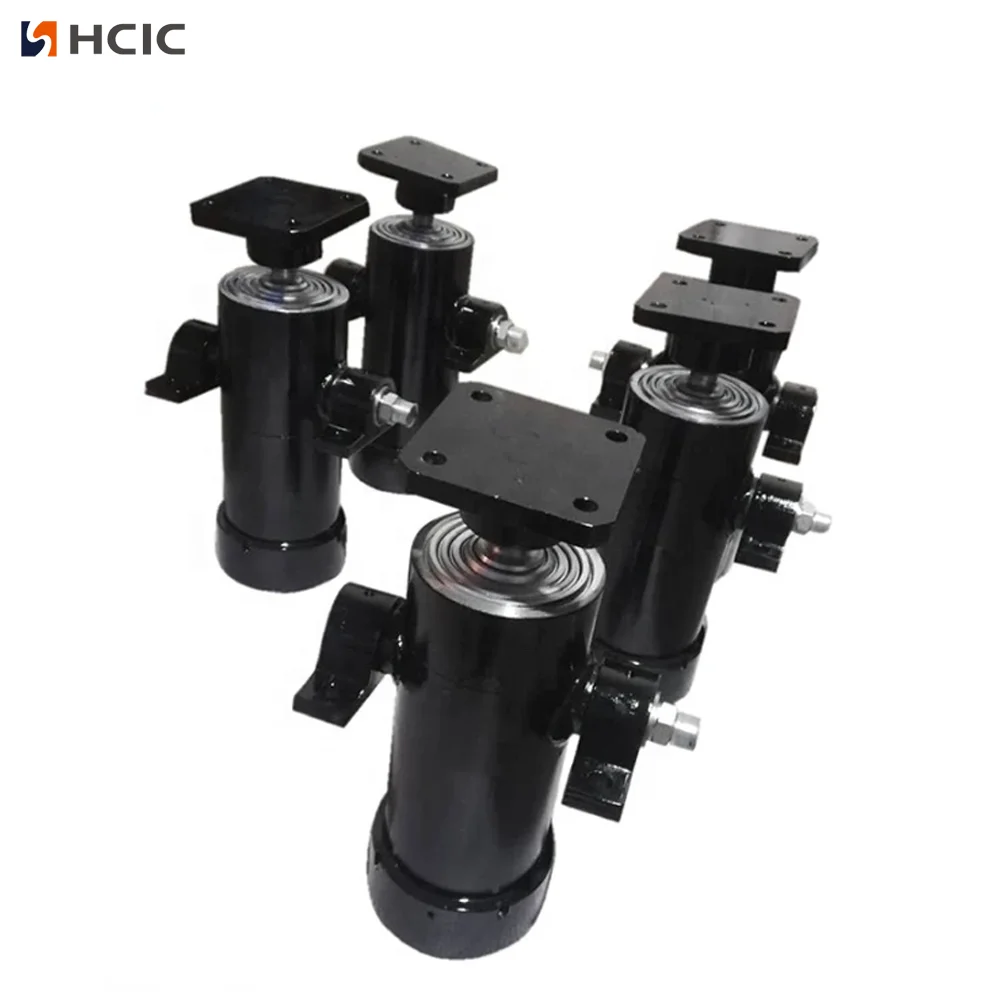
Killing the Rot at the Source Most multi-stage hydraulic rams rely on chrome because it’s shiny. But chrome is the primary vector for hydrogen rot. For extreme-duty 2026 specs, HCIC is shifting the baseline to Liquid Nitriding (QPQ).
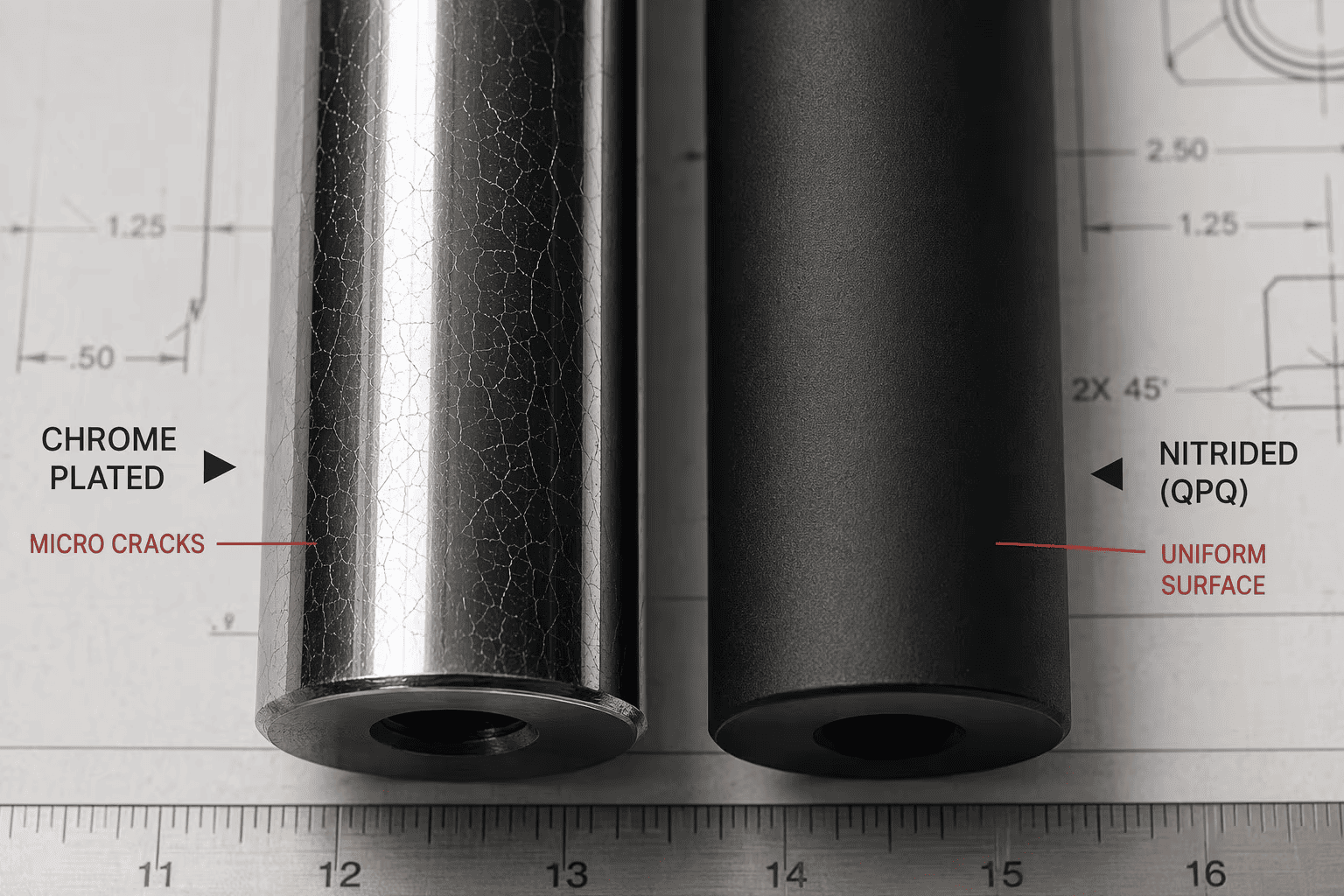
Engineering for Molecular Integrity If your project demands chrome, we don't just plate and ship.
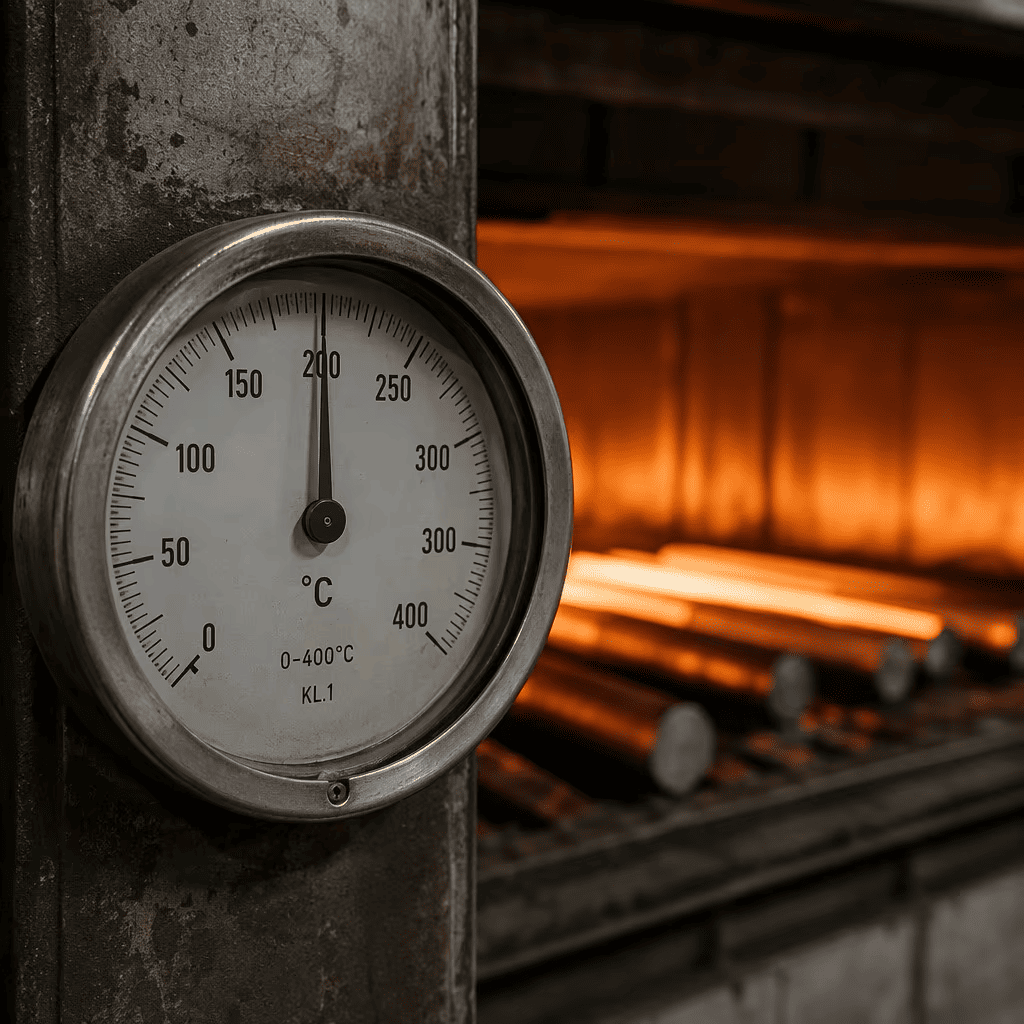
The 2026 market is too tight for "lucky" engineering. A shiny rod is useless if it snaps under the first real shock load. If your current supplier can't show you their de-embrittlement baking logs, they are gambling with your uptime. HCIC provides the documented proof that your steel is as tough on the inside as it is hard on the outside. Ready to see the metallurgical reports on our latest de-embrittlement runs? Reach out to our engineering lead today.