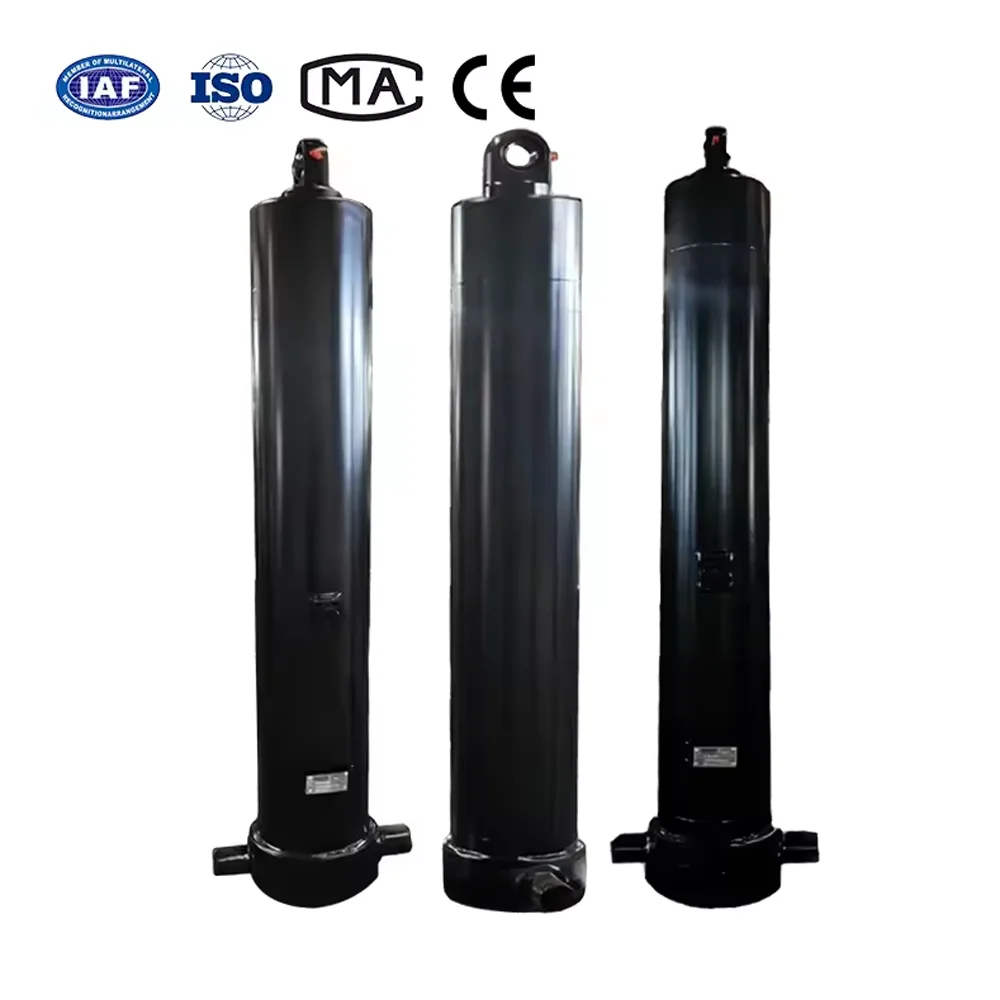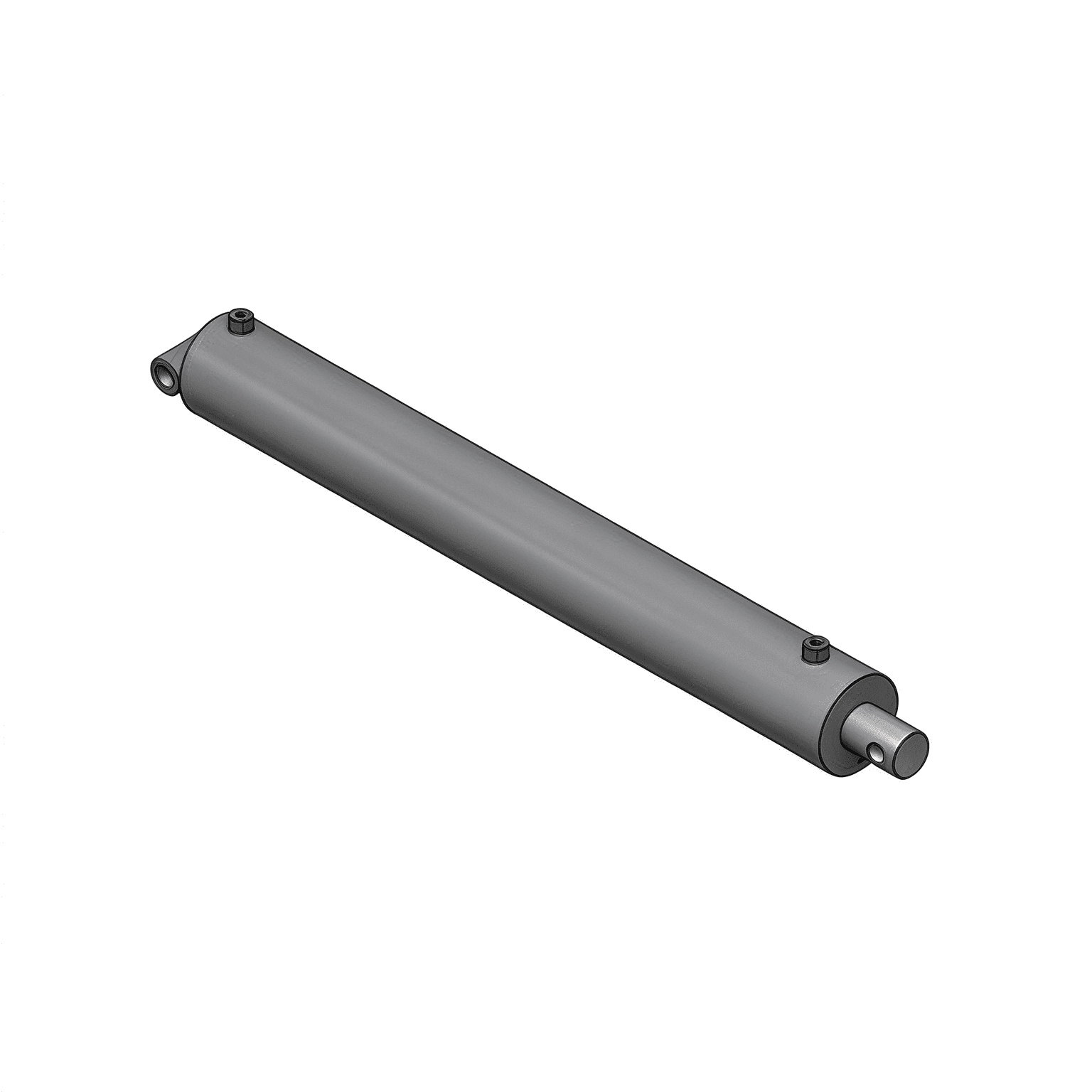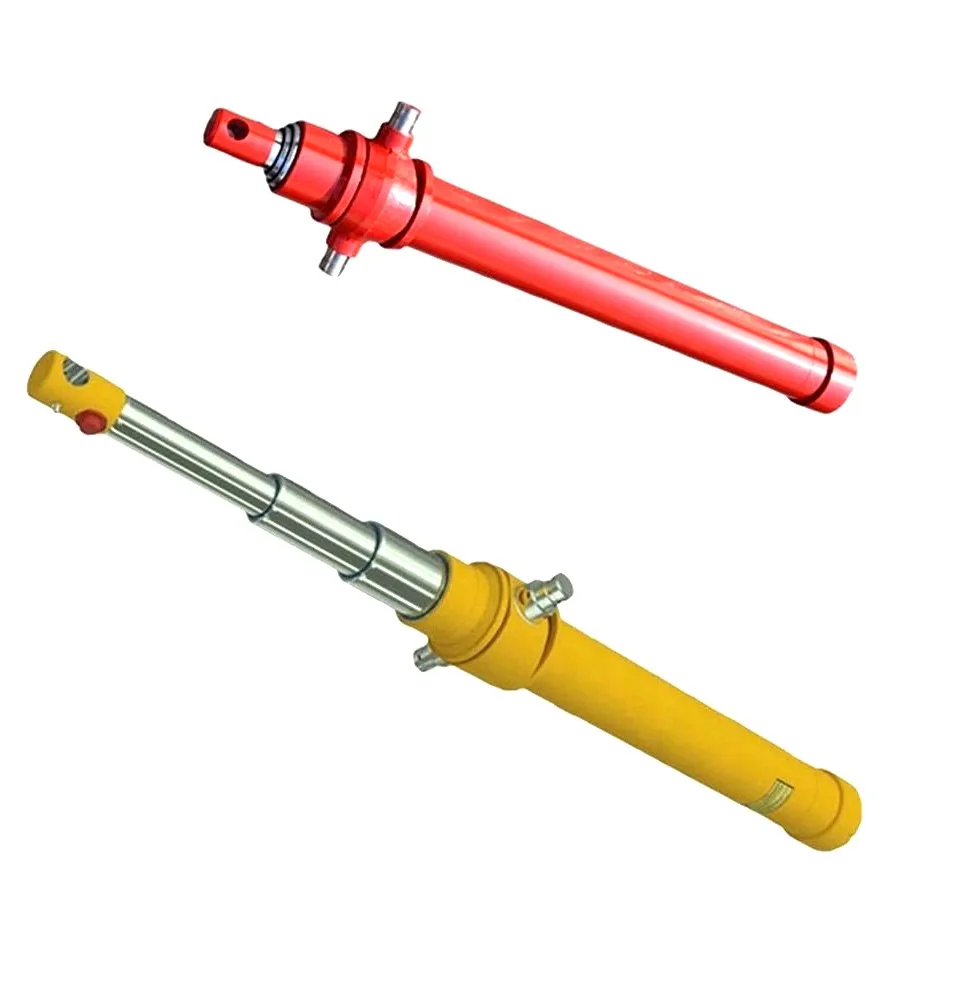
HCIC’s website identifies the company as a hydraulic and machinery manufacturer founded in 1998. Its product scope includes custom hydraulic cylinders, purpose-made hydraulic cylinders and hydraulic power units or packs.
The company also states that it provides customized production based on customer drawings. For a buyer, this means the inquiry can begin with an existing drawing, a sample cylinder or a set of application requirements rather than only a catalogue model.
A useful inquiry should include:
- Cylinder function and machine application
- Bore, rod diameter and stroke
- Retracted and extended dimensions
- Mounting style and pin dimensions
- Working pressure and hydraulic-fluid type
- Port size, thread and orientation
- Operating temperature and duty cycle
- Required quantity and destination
Providing this information at the start allows the engineering discussion to focus on fit, load, sealing, material and testing requirements.
On its About page, HCIC describes an integrated approach covering research and development, precision manufacturing and process quality control. The page also presents manufacturing facilities with CNC automated lathes, industrial robots, automated laser welding equipment, chrome-plating facilities and assembly testing workstations.
These capabilities are relevant because a hydraulic cylinder is not one machined part. The barrel, piston rod, piston, gland, seals, mounting components and ports must work together. Dimensional variation at one interface can change alignment, friction or seal loading at another.
For an OEM buyer, process discussion should therefore include more than the final outside appearance. It should cover the approved drawing, critical dimensions, material requirements, welding or joining details, surface treatment, assembly checks and pressure-test records required for the project.
HCIC’s website also identifies CNC manufacturing, ultrasonic dust-free cleaning, salt-spray testing equipment, hydraulic-oil purification, particle-size monitoring and hydraulic testing equipment among its quality-related facilities. The specific inspection plan for an individual order still needs to be confirmed with HCIC before production.
HCIC presents hydraulic products and solutions for several industrial applications, including:
- Custom hydraulic cylinders
- Purpose-made hydraulic cylinders
- Hydraulic power units and power packs
- Dump-trailer hydraulic systems
- Refuse and waste-truck cylinders
- Material-handling applications
The company’s Resources Center also provides hydraulic-cylinder catalogues, power-pack catalogues, industry-market information, client cases, hydraulics basics and frequently asked questions.
This structure supports a more practical buying process. A visitor can first identify the application, then review the relevant product family and finally send the dimensions and operating data required for engineering confirmation.
Two cylinders can look similar and still require different specifications. A trailer cylinder, refuse-truck cylinder, material-handling cylinder and custom industrial actuator may differ in stroke, mounting, pressure, sealing, coating and duty cycle.
A project-specific review helps clarify the questions that a product name cannot answer:
1. What load must the cylinder move or hold?
2. Is the load centered or does the installation create side loading?
3. Does the cylinder operate continuously or intermittently?
4. What is the actual working pressure and peak pressure?
5. Which hydraulic medium and temperature range apply?
6. Does the cylinder need cushioning, a position sensor or a special port arrangement?
7. What inspection documents are required before shipment?
HCIC’s stated custom-production capability is relevant when the buyer has a non-standard drawing or needs a hydraulic component integrated into a larger machine.
An inquiry can be made more efficient by sending the information in a fixed order.
State the machine type and the exact function of the cylinder or power unit. “Hydraulic cylinder” is not enough to select a design.
Send the bore, rod, stroke, pin-center dimensions, mounting style, port location and available installation space. Add photographs if the existing unit is difficult to measure.
Include working pressure, expected peak pressure, flow rate, cycle frequency, hydraulic-fluid type and operating temperature.
State whether you need a drawing, material information, inspection record, pressure-test record, packing specification or other project documents. HCIC can confirm what is available for the requested product and order.
The final dimensions, materials, seals, connections and inspection requirements should be confirmed on the approved quotation or drawing before production begins.
HCIC’s public company information points to a straightforward manufacturing proposition: custom hydraulic cylinders and power units supported by in-house engineering, manufacturing and quality-control capabilities.
The company does not present one universal cylinder as the answer to every machine. Its website repeatedly directs visitors toward application-specific product selection, custom drawings, catalogues and technical contact.
For buyers who need a replacement cylinder, a non-standard actuator or a hydraulic power unit for a defined machine function, this is the sensible starting point. The quality of the final result depends on the accuracy of the application data and the clarity of the approved technical specification.
For a quotation, send the cylinder drawing, application details and required quantity through the official HCIC contact page. You can also contact the export department using the details published on the website:
- WhatsApp: +86 153 7619 8599
- Address: No. 1177 Chunlan Road, Jinan, Shandong, China
- Website: https://jnhcic.com/
A complete technical inquiry gives the engineering team enough information to assess fitment, configuration and documentation requirements before a quotation is prepared.