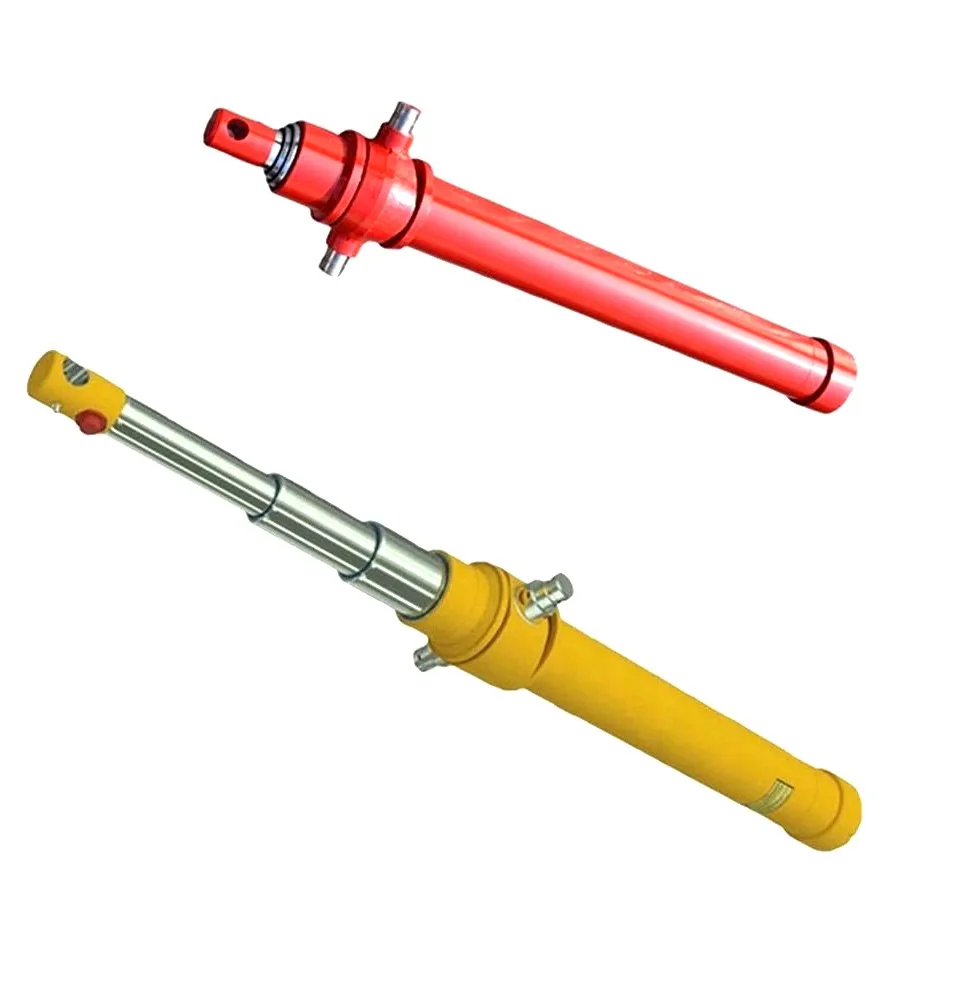
Hydraulic cylinder contamination means any foreign material getting into hydraulic fluid and hurting system parts or stopping normal work.It often comes from worn metal bits, dust from the work area, water that gets into the tank, and air pulled in through loose connections.Field data from hydraulic maintenance teams shows 70–80% of system breakdowns link back to contamination issues.The three main types of harmful contaminants are solid particles, free water, and trapped air bubbles.
Put in high-efficiency filters to catch small solid particles that scratch pump parts and wear out valve seals.Place filters at three main spots: the pump inlet to stop big debris, high-pressure lines to guard control valves, and the return line to catch wear from the system.Change filters on the schedule the maker says, so they keep working well and don’t let unfiltered fluid bypass through.
Keep new hydraulic fluid in sealed, original drums in a dry, clean storage area to keep moisture and dirt out before use.Only use dedicated hoses and funnels to add fluid, so you don’t mix in other oils or chemicals from other equipment.Take fluid samples every few months to check particle count and water levels, to fix problems before they break parts.
Check and tighten all pipe joints, valve ports, and cylinder rod seals to block dust and water from getting in.Flush the whole system with clean fluid when first setting it up or after swapping out pumps or valves, to wash out leftover metal shavings.Put desiccant breathers on the oil tank to filter incoming air and soak up moisture, keeping the fluid inside dry and clean.