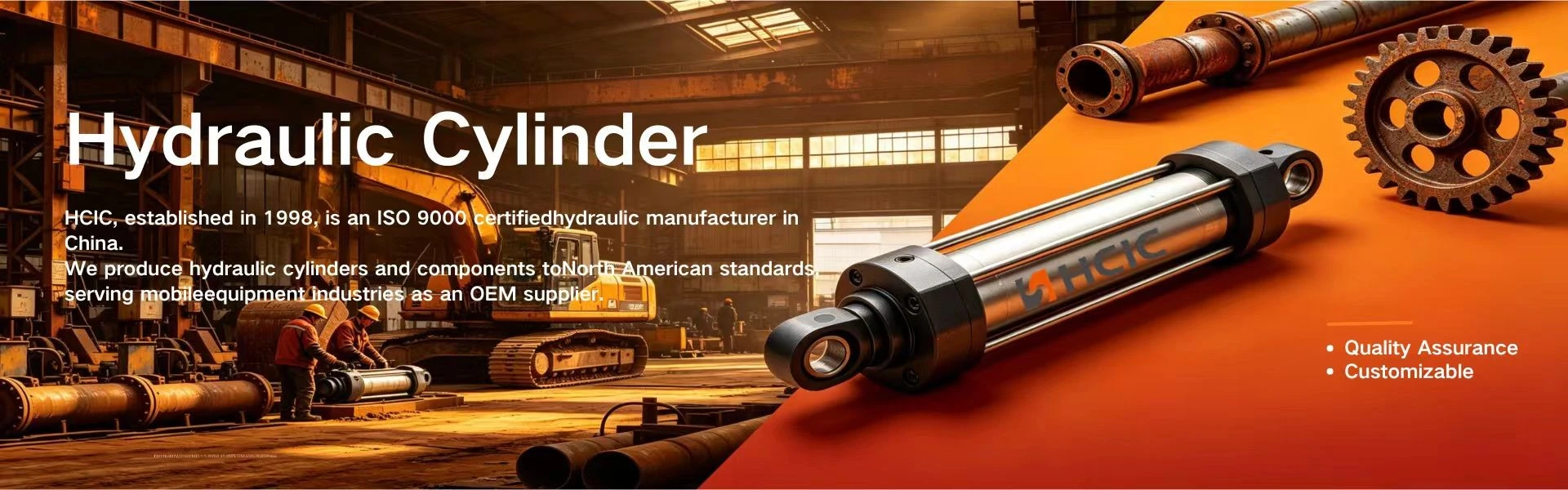
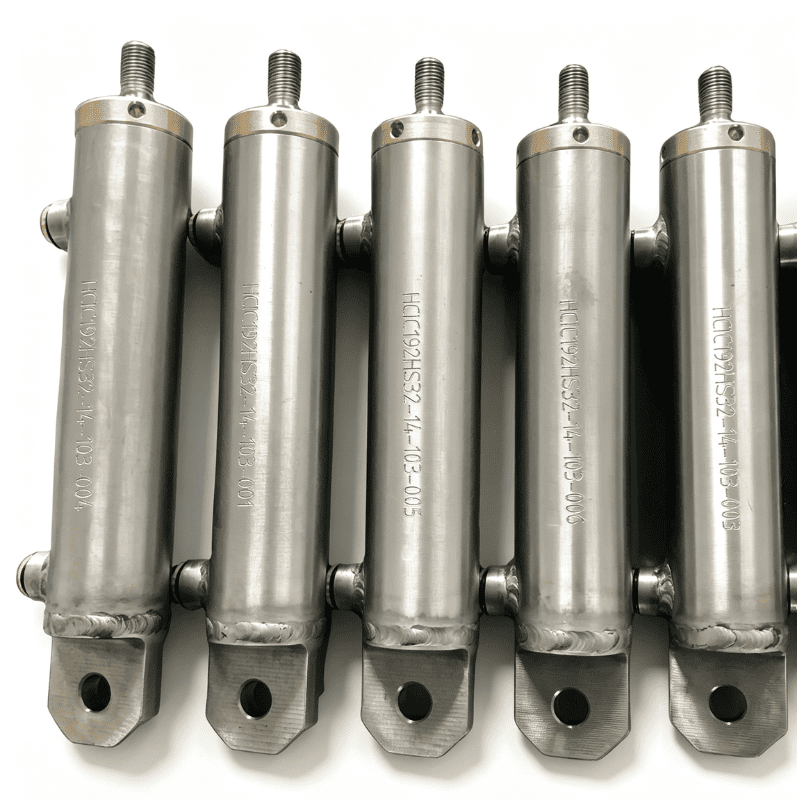
Paint is a temporary bandage. The HCIC 316L Stainless Steel Hydraulic Cylinder uses AISI 316L metallurgy and electropolished surfaces to kill salt corrosion.
For marine winches, ship steering gears and offshore mechanical parts, painted steel is only a temporary fix. Constant vibration, deck friction, seawater impact and temperature swings will crack and peel paint over time. Exposed base steel catches salt corrosion quickly, rust spreads beneath the coating invisibly, leading to cylinder pitting, seal failure, hydraulic leakage and unexpected equipment halt. HCIC 316L stainless steel hydraulic cylinder abandons paint entirely, using integrated AISI 316L stainless steel for the whole cylinder body. This material resists acid corrosion, coping with high-pressure hot wash environments in food workshops as well as long-term salt fog erosion on offshore drilling platforms and working ships.
| Item | Parameter |
|---|---|
| Cylinder Body | AISI 316L acid-resistant stainless steel |
| Piston Rod | Electropolished 316 stainless steel, Ra < 0.1μm |
| Seal | FDA-grade Viton |
| Working Pressure | 3,000 PSI (210 Bar) |
| Temperature Range | -40°C ~ 120°C |
| Mounting | Spherical bearing ends |
| Oil Compatibility | NSF-H1 food grade oil |
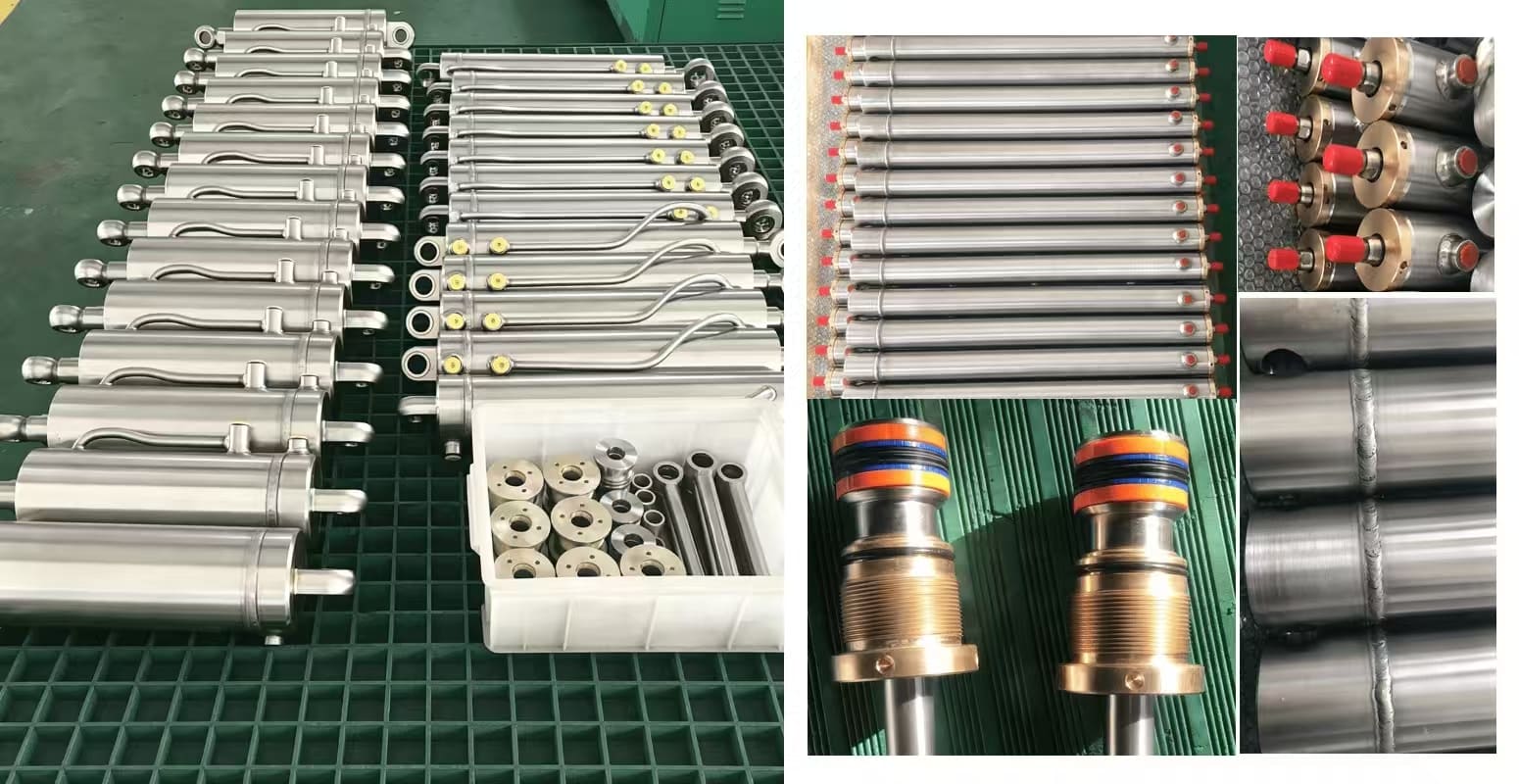
Simple mechanical machining only shapes the stainless steel, while our electropolishing process optimizes the metal surface at the micro level. This treatment removes tiny surface burrs and uneven textures, meanwhile generating a dense chromium-rich passivation film on the cylinder outer wall and internal flow surfaces. The passivation layer renders the metal surface chemically inactive. Ocean salt molecules and food-grade acid cleaners cannot corrode the metal substrate. Ordinary stainless steel cylinders begin to have surface stains and local corrosion within several months in corrosive scenes, while our product maintains a clean and intact metal surface for years with basic maintenance.